
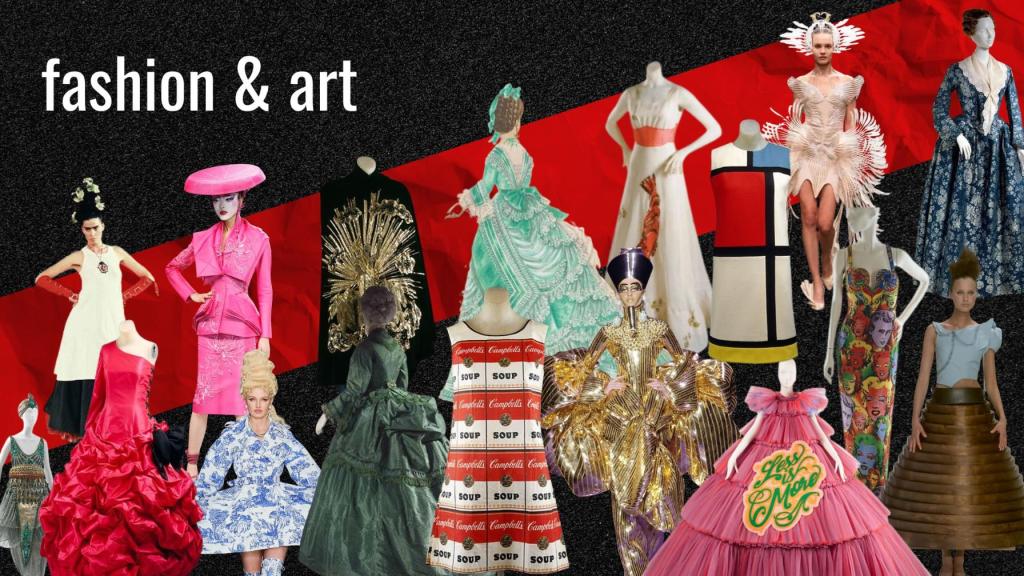
Fashion is never just about clothes. Even when it looks simple, there is usually something deeper sitting underneath. A color choice, a fabric, a silhouette, a tiny detail you might not notice at first. All of it can carry meaning. That is where symbolism comes in.
Symbolism in fashion is basically the idea that what we wear can stand for something beyond itself. It can reflect identity, beliefs, culture, mood, power, rebellion, or even quiet personal stories that no one else fully understands. Some designers use symbolism loudly and intentionally. Others do it in a way that feels almost invisible. But it is always there.
And once you start noticing it, you cannot really unsee it.
Fashion as a visual language
Think of fashion as a language without words. Instead of sentences, you get outfits. Instead of paragraphs, you get collections. Designers are constantly communicating, even when they are not explaining anything directly.
A black outfit can feel like control, minimalism, or mourning. Red can signal passion, danger, or confidence. A sharp tailored suit might speak about authority, while something oversized and slouchy might feel like ease or resistance to structure.
None of this is random. Even when a designer says something is just “a vibe,” that vibe is built from references and meanings that already exist in culture.
The interesting part is that symbolism is not fixed. The same piece can mean different things depending on who is wearing it and where it is being seen. A white dress can feel bridal in one context and rebellious in another. Denim can feel like workwear, luxury, or nostalgia depending on how it is styled.
So fashion becomes this ongoing conversation where meaning keeps shifting.
Personal symbolism and identity
On a personal level, symbolism in fashion is how people express who they are without saying anything out loud.
You can see it in small, everyday choices. Someone who only wears neutrals might be drawn to calm and simplicity. Someone mixing prints and colors might be leaning into creativity or chaos. Even repeating the same outfit formula can be symbolic. It can mean comfort, control, or a refusal to overthink.
Jewelry is a big one too. A ring passed down through family. A necklace worn every day. These pieces are not just accessories. They carry memory and emotion.
Even something as basic as a hoodie can mean different things. For one person, it is just comfort. For another, it might represent belonging to a certain group or phase of life.
The point is, people are constantly building their own symbolic language through what they wear, even if they are not fully aware of it.
Cultural symbolism in fashion
Fashion also carries deeper cultural meaning. Certain garments, textiles, and styles are tied to specific histories and traditions. They represent communities, rituals, and shared identities.
For example, traditional embroidery, handwoven fabrics, or specific silhouettes often tell stories about where they come from. They can reflect geography, climate, religion, or social structure.
When designers reference these elements, it can be powerful. It can preserve and celebrate heritage. But it can also become complicated if it is done without understanding or respect.
That is where the conversation around cultural appropriation comes in. Symbolism is not just aesthetic. It is connected to real people and real histories. Using it carelessly can strip away meaning instead of honoring it.
At the same time, fashion is also about exchange. Cultures influence each other constantly. The key difference is intention and awareness. When symbolism is treated thoughtfully, it adds depth. When it is treated like a trend, it loses its weight.
Symbolism in runway collections
On the runway, symbolism often becomes more intentional and layered. Designers build entire collections around ideas, emotions, or narratives.
Sometimes it is obvious. A collection inspired by childhood might include playful shapes, soft colors, or references to school uniforms. A collection about power might focus on structure, sharp tailoring, and strong silhouettes.
Other times, it is more abstract. A designer might be exploring something like isolation or transformation. Instead of explaining it directly, they translate it into fabric choices, proportions, and styling.
You might see exaggerated shapes that feel protective, or sheer fabrics that feel exposed. You might notice repetition, distortion, or contrast. All of it is part of the story.
Even the way a show is presented adds to the symbolism. The music, the lighting, the pace of the walk. It all contributes to how the collection feels.
As a viewer, you do not need to decode everything perfectly. Sometimes it is enough to just notice how it makes you feel. That feeling is often the point.
Color as symbolism
Color is probably one of the most immediate forms of symbolism in fashion. It is also one of the most universal.
Black can feel powerful, minimal, or even distant. White can feel pure, clean, or empty. Red can feel bold, emotional, or intense. Blue can feel calm or cold depending on the shade.
But color symbolism is not the same everywhere. In some cultures, white is associated with mourning rather than weddings. Red can symbolize luck in one place and danger in another.
Designers play with these meanings all the time. They might lean into traditional symbolism or flip it completely. A soft pastel collection can feel sweet, or it can feel unsettling if styled in a certain way.
Even within one outfit, color combinations can shift the message. Black and white feels classic. Neon with neutrals feels more experimental. Earth tones can feel grounded and natural.
Color is often the first thing people notice, which makes it one of the strongest symbolic tools in fashion.
Materials and textures
Fabric choice is another layer that often gets overlooked. But it matters a lot.
Leather can feel strong, protective, sometimes even aggressive. Silk feels soft, fluid, intimate. Denim feels grounded and everyday, but also carries a long history of workwear and rebellion.
Sheer fabrics can suggest vulnerability or confidence depending on how they are used. Heavy materials can feel protective or restrictive.
Even the way a fabric moves can change its meaning. Something stiff holds shape and control. Something fluid moves with the body and feels more relaxed.
Designers use these contrasts to build emotion into their work. A structured jacket in a soft fabric can feel like a balance between strength and sensitivity. A delicate fabric used in a bold silhouette can feel unexpected.
It is not just what you see. It is also how it feels.
Symbols and motifs
Sometimes symbolism in fashion is more literal. You see it in prints, patterns, and motifs.
Florals can represent growth, beauty, or fragility. Animal prints can suggest power, instinct, or playfulness. Religious symbols, political graphics, or text prints can carry very direct messages.
Logos are a whole category on their own. They can represent status, identity, or affiliation. Wearing a certain brand is not just about liking the design. It often signals something about taste, access, or belonging.
In recent years, there has been a shift where people are more aware of what they are wearing and what it represents. Graphic tees, slogans, and statement pieces have become a way to express opinions or align with certain values.
But even subtle motifs can hold meaning. Repetition of a symbol across a collection can create a sense of unity or emphasis. It becomes part of the designer’s visual language.
Subversion and irony
Not all symbolism in fashion is serious. Sometimes it is playful or ironic.
Designers often take familiar symbols and twist them. A classic suit might be deconstructed. A traditional dress might be styled in an unexpected way. Something that usually represents formality might be made casual, or the other way around.
This kind of subversion challenges what we expect. It asks questions without being too literal.
For example, mixing sportswear with luxury fabrics can blur the line between comfort and status. Turning everyday items into high fashion pieces can shift how we value them.
There is also a lot of humor in this. Fashion does not always have to be deep in a heavy way. Sometimes the symbolism is about not taking things too seriously.
The role of the viewer
One important thing to remember is that symbolism is not just created by designers. It is also interpreted by the audience.
Two people can look at the same outfit and see completely different things. One might focus on the craftsmanship. Another might connect it to a personal memory. Someone else might read it through a cultural or political lens.
There is no single correct interpretation.
That is part of what makes fashion interesting. It leaves space for personal meaning. It allows people to project their own experiences onto what they see.
In a way, symbolism in fashion is a collaboration. The designer puts something out there, and the viewer completes it.
Why symbolism still matters
In a world where trends move fast and everything feels a bit disposable, symbolism brings depth back into fashion.
It reminds us that clothes are not just products. They are expressions. They can hold stories, emotions, and ideas.
It also makes fashion more intentional. When you start thinking about symbolism, you become more aware of your own choices. You start asking why you are drawn to certain things.
It does not mean everything has to be meaningful all the time. Sometimes you just want to wear something because it looks good. That is valid too.
But knowing that there can be meaning adds another layer. It makes fashion feel more personal and less surface level.
Closing thought
Symbolism in fashion is not always obvious. Sometimes it is loud and clear. Sometimes it is quiet and almost hidden. But it is always shaping how we see and understand what we wear.
It exists in colors, fabrics, silhouettes, and details. It shows up in personal style, cultural references, and runway concepts. It evolves with time, context, and perspective.
And maybe the best part is that you do not need to fully decode it to appreciate it. Just noticing it is enough.
Because once you do, fashion stops being just about clothes. It starts feeling like a conversation you are part of, whether you realize it or not.
We do not own the rights to any of these images and they have been used in good faith. Every effort has been made to ensure that all images are used with proper credits. If you are the rightful owner of any image used on our site and wish to have it removed, please contact us at ayerhsmagazine@gmail.com and we will promptly remove it. We are a non-commercial, passion-driven, independent fashion blog and do not intend to infringe any copyright. Thank you for your understanding.
 Ayerhs Magazine