
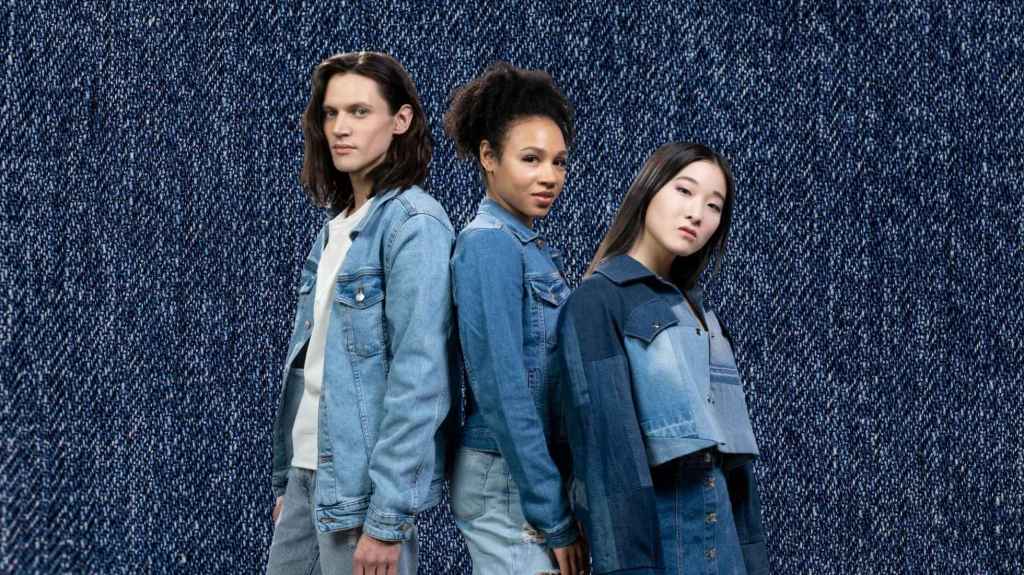
There are very few garments that can claim to have survived over 150 years of fashion cycles without ever truly disappearing. The denim jacket is one of them. It has been worn by miners, cowboys, rock stars, punks, presidents, and teenagers scrolling through Instagram, and somehow it still looks like it belongs in every single one of those contexts. This is the story of how a piece of rugged, utilitarian clothing built for hard labor became one of the most versatile and enduring icons in fashion history.
Born Out of Necessity
The denim jacket’s origins trace back to the same place as its more famous sibling, the blue jean: the American Gold Rush era of the mid-1800s. Denim itself, a sturdy cotton twill fabric, had been used for work clothing for centuries, but it was Levi Strauss and Jacob Davis who revolutionized the industry in 1873 when they patented the process of using copper rivets to reinforce denim garments at stress points. This innovation made denim clothing significantly more durable, which was exactly what laborers, miners, and railroad workers needed.
The first true denim jacket, known as the “Blouse,” was introduced by Levi Strauss & Co. in 1880. It was a simple, boxy garment designed purely for function. Pockets were placed for tool storage, seams were reinforced for movement, and the fabric was chosen because it could withstand the abuse of daily manual labor. There was nothing fashionable about it in the way we think of fashion today. It was a uniform for the working class, a garment that prioritized survival over style.
Over the following decades, the jacket evolved through a series of iconic models. The Type I jacket of the early 1900s had a single chest pocket and a cinch-back waist adjuster. The Type II, introduced in the 1930s, added a second chest pocket and pleats for better mobility. By the time the Type III arrived in 1962, with its now-iconic V-shaped seams and slimmer silhouette, the jacket had already begun its slow transformation from pure workwear into something with cultural weight.
The Silver Screen Changes Everything
If the denim jacket was born in the mines and on the railroads, it was reborn in Hollywood. The 1950s marked a turning point when denim, once associated exclusively with rural laborers and the working class, began appearing on the backs of rebellious young men on screen. Marlon Brando’s leather jacket in “The Wild One” gets more attention historically, but it was denim that became the fabric of choice for a broader image of youthful defiance.
James Dean’s rugged, effortless style in films like “Giant” helped cement denim as a symbol of youthful independence and quiet rebellion. Suddenly, a jacket that had signified manual labor started to signify something else entirely: freedom, nonconformity, and a rejection of buttoned-up post-war formality. Parents saw denim as something faintly disreputable. Teenagers saw it as exactly the kind of thing they wanted to wear.
This is the essential paradox that would define denim’s entire cultural journey. It was workwear that became rebellion-wear, and both of those identities would stick to it permanently, layering on top of each other rather than replacing one another.
Counterculture Adopts a Uniform
By the 1960s and 1970s, the denim jacket had been fully absorbed into countercultural movements. Civil rights activists wore denim as a deliberate statement, reclaiming a fabric associated with sharecroppers and laborers as a symbol of solidarity with working people. The anti-war movement and hippie counterculture embellished denim jackets with patches, embroidery, and hand-painted designs, turning each one into a canvas for personal and political expression.
Rock and roll pushed this even further. Musicians customized their jackets with band patches, studs, and paint, using denim as a blank canvas that could be transformed into a statement of identity. This is also when the denim jacket started to become associated with music subcultures more broadly. Bikers wore cut-off denim vests over leather. Rockers layered denim jackets over band tees. The garment was no longer just clothing; it was a surface for self-expression.
Punk rock in the late 1970s and early 1980s took this idea to its extreme. Bands and fans alike covered denim jackets in safety pins, spikes, hand-painted band logos, and patches, creating a DIY aesthetic that stood in direct opposition to mainstream fashion. The denim jacket became a badge of belonging to a specific tribe, a wearable manifesto.
The Eighties, Nineties, and the Rise of Designer Denim
The 1980s brought denim into high fashion for the first time in a serious way. Designers like Calvin Klein and Guess began marketing denim jackets as aspirational, sexy, and status-driven items rather than purely functional or rebellious ones. Acid wash, oversized fits, and bold branding turned the jacket into a statement piece for a decade that loved excess.
Hip hop culture in the late 1980s and 1990s added another crucial layer to denim’s evolution. Oversized denim jackets, often paired with baggy jeans and gold chains, became a defining look of the era, popularized by artists who used fashion as an extension of their music and identity. This period cemented denim jackets as a genuinely cross-cultural garment, equally at home in country music, rock, hip hop, and mainstream pop.
Street Style and the Modern Era
By the 2000s and 2010s, the denim jacket had shed any single cultural affiliation and instead became a blank slate that every subculture could claim as its own. Streetwear designers began reimagining the silhouette entirely, experimenting with oversized cuts, deconstructed seams, and unexpected fabric mixes. High fashion houses started releasing their own take on the trucker jacket, often selling for hundreds or thousands of dollars, a striking contrast to its humble, dollar-a-piece origins.
Social media and street style photography accelerated denim’s permanent fixture status. Fashion week street style, dominated by influencers and photographers capturing real outfits outside the shows, consistently features denim jackets as a go-to layering piece. Its appeal lies precisely in its adaptability. A cropped denim jacket over a slip dress reads as feminine and casual. An oversized denim jacket with cargo pants reads as utilitarian streetwear. A vintage, heavily distressed jacket signals a love of Americana and workwear heritage. A pristine, dark-wash jacket paired with tailored trousers can even work in smart-casual settings.
Why It Endures
What makes the denim jacket special is not that it has one meaning, but that it has accumulated dozens of them without losing its core identity. It can be simultaneously a symbol of American labor history, teenage rebellion, rock and roll, hip hop culture, punk DIY ethics, high fashion luxury, and everyday casual comfort. Few garments can hold that much cultural weight while still being something you can throw on without thinking.
The denim jacket’s durability, both physical and cultural, is really the story of a garment that was built to last and, through decades of reinvention by different communities, was allowed to last. It survived because people kept finding new reasons to wear it. From the mines of California to the runways of Paris, the jacket’s journey shows how a simple, practical piece of clothing can become something much larger: a canvas onto which generations project their identity, their politics, and their style.
 Ayerhs Magazine