
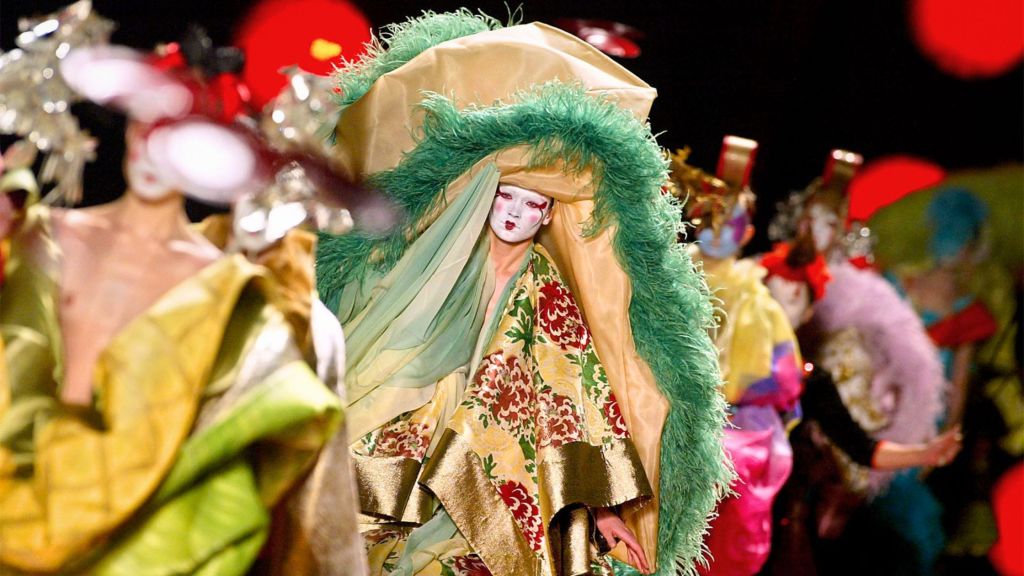
Haute couture has always occupied a strange position in the world of fashion — part art form, part commercial enterprise, and part social ritual. Today, when we think of couture, we picture red carpets, celebrity front rows, and gowns so elaborate they seem designed more for photographs than for wearing. But the journey from workshop craft to cultural status symbol was neither instant nor accidental. It was the result of deliberate choices by designers, shifting class structures, the rise of media culture, and a growing human appetite to signal identity through what we wear. Understanding when and how haute couture became a marker of status reveals as much about society’s values as it does about fashion itself.
The Origins: Craft Before Status
Haute couture, literally “high sewing,” began in mid-19th century Paris with Charles Frederick Worth, an English designer often credited as the father of the practice. Before Worth, dressmakers were largely anonymous tradespeople who executed the wishes of their clients. Worth flipped this dynamic. He positioned himself as an artist whose vision clients should defer to, not the reverse. He signed his garments, staged the first fashion shows using live models, and created a new category: designer-as-authority.
This shift mattered because it introduced the idea that clothing could carry the signature of its creator, much like a painting. A dress from Worth’s atelier wasn’t just fabric and thread — it was an artifact bearing the imprimatur of genius. Still, in these early decades, couture’s audience was narrow: aristocrats, industrial-age elites, and the occasional actress or courtesan. Status was implied by the sheer cost and exclusivity, but it hadn’t yet become the widely recognized cultural symbol we know today.
Institutionalizing Exclusivity
The formal structure of haute couture as we understand it emerged in the early 20th century, when the Chambre Syndicale de la Haute Couture was established in Paris to regulate which houses could legally use the term “haute couture.” The rules were strict: a house had to design made-to-order garments for private clients, maintain a workshop with a minimum number of staff, and present a collection of a set number of original designs to the press twice a year.
This regulatory framework did something crucial — it turned exclusivity into an official, verifiable status. Haute couture was no longer just expensive clothing; it was clothing produced under a legally protected designation, available to a vanishingly small number of houses and an even smaller number of clients. Scarcity became codified. And where scarcity is codified, status inevitably follows, because human beings are drawn to signals that are difficult for others to fake or replicate.
The Interwar and Postwar Boom: Couture as Aspiration
Between the World Wars, and especially in the prosperous years following World War II, haute couture reached what many consider its golden age. Christian Dior’s 1947 “New Look” collection is often cited as a turning point. After years of wartime fabric rationing and austere silhouettes, Dior’s voluminous skirts and cinched waists represented not just a new aesthetic but a symbolic return to abundance and femininity. The collection was reported on internationally, and Dior became a household name almost overnight.
This period cemented an important cultural pattern: couture began to function as a barometer of broader social and economic conditions. Wearing couture, or even simply being associated with a couture house through licensed perfumes or accessories, signaled that one had recovered from hardship and reentered a world of prosperity and refinement. Couture houses also began cultivating relationships with film stars and socialites, understanding early that visibility among admired public figures could amplify a garment’s symbolic power far beyond its physical craftsmanship.
Media, Celebrity, and the Democratization of Desire
The real transformation of couture into a widely recognized cultural status symbol accelerated with the growth of mass media in the latter half of the 20th century. Magazines like Vogue and Harper’s Bazaar had long covered couture, but television, and later the internet, exposed far larger audiences to the spectacle of couture shows. Suddenly, people who would never own a couture garment could still consume its imagery, its drama, and its association with wealth and taste.
This is a crucial and somewhat paradoxical development: haute couture’s status power grew precisely as its accessibility shrank. Even as the client base for actual couture garments narrowed to a few hundred people worldwide, capable of spending tens or hundreds of thousands of dollars on a single piece, the cultural awareness of couture as the pinnacle of fashion achievement expanded to a global audience. Couture became less about who could wear it and more about what it represented — a shared cultural shorthand for ultimate luxury, artistic mastery, and unreachable exclusivity.
Designers leveraged this by using couture shows less as commercial events and more as branding spectacles. The actual sales of couture garments have long been a financial loss for many houses; the real value lies in the halo effect couture casts over more accessible product lines — perfumes, handbags, ready-to-wear, and cosmetics. A woman who could never afford a couture gown might still buy a lipstick from the same house, purchasing a small piece of that symbolic prestige.
Red Carpets and the Modern Status Economy
By the late 20th and early 21st centuries, red carpet culture had become the primary stage on which haute couture performed its status function. Award shows, film premieres, and galas transformed couture gowns into a form of public currency. Being dressed by a storied couture house signaled not just personal wealth but insider access — a relationship with an atelier willing to create something never before seen for that specific individual, that specific night.
Social media then intensified this dynamic exponentially. Instagram and other platforms turned every couture appearance into instantly shareable content, dissected and discussed by millions within minutes. The status conferred by couture was no longer limited to those physically present at an event; it extended into a vast, ongoing conversation about taste, wealth, and cultural relevance.
Conclusion: A Symbol Built on Contradiction
Haute couture’s evolution into a cultural status symbol is a story built on contradiction. It became more powerful as a symbol precisely as its practical relevance to everyday fashion diminished. It thrives on the tension between extreme scarcity and mass visibility, between artisanal handwork and global media spectacle. What began as Charles Frederick Worth’s assertion of designer authority evolved into an entire economy of meaning, where a single gown can generate headlines, associations, and aspirational desire far beyond its physical existence.
Today, haute couture remains less a category of clothing than a cultural institution — a living symbol of the enduring human desire to signal distinction, taste, and belonging through what we choose, or dream, to wear.
 Ayerhs Magazine