
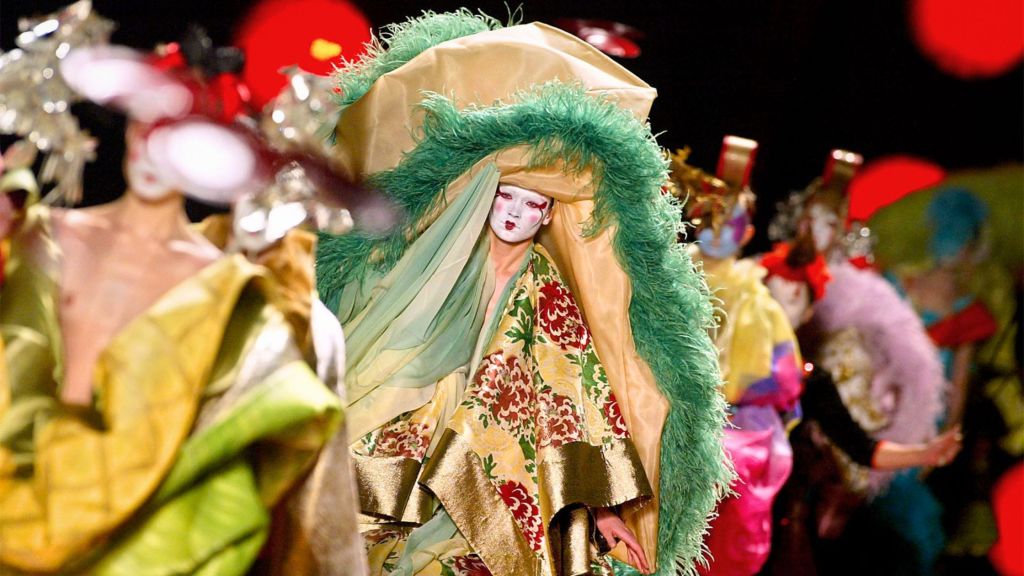
Walk into any bridal salon, luxury boutique, or high-end tailor’s shop, and you’re likely to hear the words “couture,” “couture-inspired,” and “custom-made” thrown around almost interchangeably. Marketing copy loves to blur these terms because they all suggest exclusivity, craftsmanship, and a price tag to match. But in the world of fashion, these three categories mean very different things — and understanding the distinctions can save you money, set the right expectations, and help you appreciate exactly what you’re paying for.
What Is Couture, Really?
The word “couture” comes from the French for “sewing” or “dressmaking,” but in the fashion industry it has a very specific, legally protected meaning. True couture — properly called haute couture — is not just a style descriptor. It’s a designation controlled by the Chambre de Syndicale de la Haute Couture, a French trade organization under the Fédération de la Haute Couture et de la Mode, which sets strict criteria that a fashion house must meet to legally call itself a couture house.
To earn this status, a house must:
- Design made-to-order garments for private clients, with one or more fittings
- Have a workshop (atelier) in Paris that employs at least 15 people full-time
- Employ a minimum of 20 technical staff across at least two workshops
- Present a collection of at least 35 original designs to the press each season, in January and July
This means haute couture is not simply “expensive” or “handmade” — it’s a formal classification. Only a small number of houses, including Chanel, Dior, Schiaparelli, and Jean Paul Gaultier’s atelier, currently hold this official status. Every couture garment is built entirely by hand, often taking hundreds or even thousands of hours of labor, using techniques like hand-stitched embroidery, boning, and draping that have been passed down for generations. Prices for a single couture piece can run from tens of thousands to well over a million dollars.
Couture garments are also created specifically for an individual client’s body, through multiple fittings, and are never mass-produced or replicated. In essence, true couture is wearable art, made by a legally recognized institution, for an exclusive clientele who can afford both the price and the process.
What Does “Couture-Inspired” Actually Mean?
This is where things get murkier — and where marketing language does a lot of heavy lifting. “Couture-inspired” is not a protected term. Anyone can use it, and many brands do, precisely because it evokes the glamour of haute couture without requiring any of the qualifications.
Couture-inspired fashion typically refers to ready-to-wear or semi-custom pieces that borrow design elements from couture: intricate beading, dramatic silhouettes, hand-finished details, or luxurious fabrics. These garments might be made in small batches, use finer construction techniques than typical mass-market clothing, and cost significantly more than off-the-rack fashion — but they are not made exclusively for one person, and they are not produced by a legally recognized couture house.
Think of couture-inspired gowns you might find at a high-end bridal boutique. They may feature hand-appliquéd lace or beaded bodices reminiscent of a Dior gown, and they may even be finished with some hand-sewing. But they are typically produced in a range of standard sizes (even if later tailored to fit), manufactured in a factory or workshop rather than a couture atelier, and sold to multiple customers rather than designed from scratch for one individual.
This category serves an important purpose in the fashion ecosystem. It allows people to access the aesthetic of couture — the drama, the embellishment, the sense of occasion — at a fraction of the cost and without needing months of fittings in Paris. The tradeoff is that you’re buying inspiration, not the real construction methodology or exclusivity that defines true couture.
What Is Custom-Made Fashion?
Custom-made (sometimes called “bespoke,” particularly in menswear and tailoring) sits in its own category entirely, separate from the couture spectrum. Custom-made simply means a garment is created specifically for one individual, based on their measurements, preferences, and often their own design input.
Unlike couture, custom-made fashion doesn’t require a Paris atelier, a minimum staff count, or a biannual runway presentation. A local seamstress, an independent designer, or a small tailoring studio can all offer custom-made garments. The defining feature is the one-to-one relationship between maker and wearer: the garment is built around your body and your vision, rather than pulled from a size chart or a pre-existing design.
Custom-made pieces can range dramatically in quality and price. A bespoke suit from a respected Savile Row tailor, built through multiple fittings with hand-cut patterns, can rival couture in craftsmanship and cost thousands of dollars. On the other hand, a custom-made prom dress from a local dressmaker might cost only a few hundred dollars more than a similar off-the-rack option, using machine stitching and standard fabrics but tailored precisely to the client’s measurements.
What custom-made guarantees is fit and personalization — not necessarily hand-construction, rare techniques, or the institutional prestige of a couture house. It’s entirely possible to have a custom-made garment that’s more affordable than a couture-inspired piece from a luxury label, because the price reflects the maker’s individual rates and materials rather than a brand’s overhead and reputation.
Comparing the Three Side by Side
If you’re trying to decide which category fits your needs — or simply trying to understand what you’re paying for — here’s the core distinction:
Haute couture is a legally regulated designation, made entirely by hand in a Paris-based atelier, exclusively for one client, by a house that meets strict industry criteria. It is the pinnacle of fashion craftsmanship and priced accordingly.
Couture-inspired fashion borrows the visual language of couture — intricate detailing, dramatic design, luxurious fabric — but is typically produced in batches or standard sizes, without the exclusivity, hand-construction standards, or official designation of true couture.
Custom-made fashion prioritizes personal fit and individual design over brand prestige or construction technique. It can be made by anyone from a local tailor to a renowned bespoke house, and its quality and price vary enormously depending on who makes it.
Why the Distinction Matters
Understanding these differences matters most when you’re making a significant purchase — a wedding gown, a formal suit, a red-carpet piece — and want to know exactly what you’re paying for. A “couture-inspired” label doesn’t mean you’re getting couture-level craftsmanship, and a “custom-made” garment doesn’t automatically mean luxury materials or techniques. Each term describes a different aspect of how a garment is made: its regulatory status, its design influence, or its personalization — not necessarily its quality.
The next time you see these words on a boutique’s website or a designer’s label, you’ll know to ask the right questions: Is this garment made in a certified couture atelier? Is it inspired by couture techniques but mass-produced? Or is it built specifically for my body, regardless of brand prestige? Knowing the answer will tell you far more about the value of the piece than the label alone ever could.

