
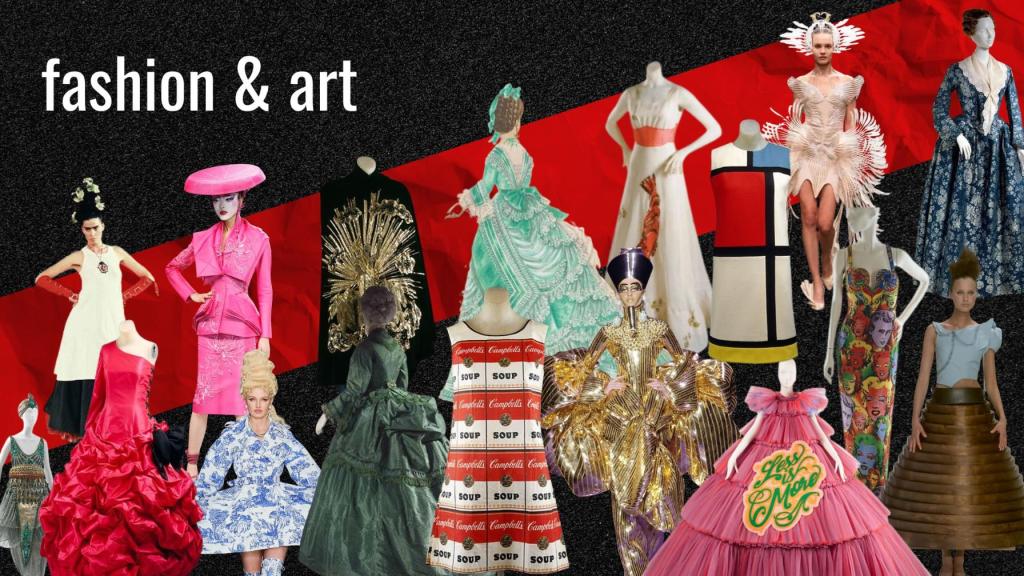
There was a time when fashion was judged mostly on function. Does it fit well. Is it flattering. Can you wear it more than once without getting tired of it. That logic still exists, but it is no longer the whole story. Today, a piece of clothing can be valuable even if it is impractical, uncomfortable, or barely wearable in a traditional sense. It can exist simply because it looks like something. Or more accurately, because it feels like something.
This shift is what defines the aesthetic economy. We are living in a moment where the visual, emotional, and symbolic value of fashion often matters more than its functional purpose. And at the center of this shift is the rise of “art-like” fashion.
Clothes are no longer just clothes. They are images, concepts, statements, and sometimes even performance pieces. The question is not just what are you wearing, but what does it communicate, and how does it translate visually.
So why does “art-like” fashion exist now more than ever?
It starts with attention.
We live in a world where attention is the most valuable currency. Every scroll, every pause, every double tap is part of a larger economy where visibility equals value. In this environment, fashion has adapted. It is no longer enough for a garment to be well made. It has to be visually striking, instantly recognizable, and emotionally engaging.
Art-like fashion thrives in this space because it is designed to be seen. It performs well on screens. It creates moments. It invites interpretation. A sculptural silhouette, an exaggerated proportion, or an unexpected material can stop someone mid-scroll. That pause is everything.
This is not accidental. Designers are increasingly aware that their work will be consumed digitally before it is experienced physically. A runway look is not just for the people sitting in the room. It is for millions watching through their phones. So the design process shifts. It becomes more conceptual, more visual, more exaggerated. Less about wearability, more about impact.
This is where fashion starts to overlap with art.
Art has always operated in a space where meaning, interpretation, and emotional response matter more than utility. A painting does not need to be functional to be valuable. It exists to provoke, to express, to communicate. When fashion moves into this territory, it adopts the same logic.
A dress becomes less about being worn and more about being understood. A collection becomes a narrative rather than just a set of clothes. The runway becomes a stage.
But this shift is not only driven by designers. It is also driven by the audience.
People no longer consume fashion passively. They engage with it, interpret it, remix it, and share it. Social media has turned everyone into a kind of curator. You are not just wearing clothes, you are building a visual identity. You are creating a feed, a mood, a personal aesthetic.
In this context, art-like fashion offers something powerful. It gives people tools to express themselves in a way that feels intentional and distinctive. Wearing something that looks like art signals a certain awareness. It says you are not just following trends, you are engaging with ideas.
Even if the wearer is not thinking about it in those exact terms, the visual language still communicates something. It creates a sense of depth, of creativity, of individuality.
This is where the idea of “art-like” becomes important. It is not always about actual art. It is about the appearance of art. The feeling of something being thoughtful, conceptual, or visually interesting.
That feeling has value.
Brands understand this. That is why many collections today are built around strong concepts. Not just themes, but ideas that can be translated visually in a way that feels almost like an installation or a performance.
You see it in the way garments are constructed. Unusual shapes, unexpected textures, pieces that challenge the body rather than simply follow it. You see it in styling. Layering that feels deliberate, almost sculptural. You see it in presentation. Runways that feel like exhibitions, campaigns that look like editorial art projects.
All of this contributes to the perception of fashion as something closer to art.
And perception matters in the aesthetic economy.
Value is no longer just about material or craftsmanship. It is about how something is perceived, how it circulates, how it is talked about. A piece that goes viral, that sparks conversation, that becomes a reference point, can hold more cultural value than something technically perfect but visually quiet.
This does not mean craftsmanship is irrelevant. It still matters, especially in luxury spaces. But it is often layered beneath a stronger focus on concept and image.
There is also a sense of escapism involved.
Art-like fashion allows both designers and consumers to step outside the limitations of everyday life. It creates space for fantasy, for exaggeration, for play. In a world that can feel repetitive and predictable, this kind of creativity feels refreshing.
You are not just wearing a jacket. You are wearing something that feels like a character, a mood, a story.
This is particularly appealing to younger audiences who are used to expressing themselves across multiple platforms. Identity is not fixed. It is fluid, curated, constantly evolving. Fashion becomes one of the most immediate ways to experiment with that.
Art-like pieces make that experimentation more visible. They allow for transformation. They create moments.
At the same time, there is a deeper layer to this.
The rise of art-like fashion also reflects a growing desire for meaning. People are looking for more than just consumption. They want connection, intention, something that feels thoughtful.
When a piece of clothing looks like it has a concept behind it, it feels more valuable. Even if the concept is not fully understood, the presence of it creates a sense of depth.
This is similar to how people engage with art. You do not always need to fully understand a piece to appreciate it. Sometimes the feeling is enough.
Fashion is tapping into that same dynamic.
There is also an element of status involved.
Wearing something that looks like art can signal taste. It suggests that you are aware of cultural conversations, that you have a certain level of aesthetic literacy. It becomes a way to differentiate yourself.
In a market where trends move quickly and styles can feel repetitive, art-like fashion offers a way to stand out. It is less about following and more about interpreting.
However, this shift is not without its tensions.
There is an ongoing conversation about accessibility. Art-like fashion can sometimes feel distant, even exclusionary. Not everyone wants or needs clothing that feels conceptual or abstract. For many people, practicality still matters.
There is also the question of authenticity. When everything starts to look like art, it can become harder to distinguish between genuine creative expression and aesthetic strategy. Is a piece truly conceptual, or is it designed to appear conceptual because that is what performs well?
This is where the idea of the aesthetic economy becomes more complex. It is not just about creativity. It is about how creativity is packaged, presented, and consumed.
Sometimes the “art-like” quality of fashion is carefully constructed to fit into a certain visual culture. It is meant to be photographed, shared, and recognized as something that looks like art.
That does not necessarily make it less valid, but it does change how we understand it.
It becomes part of a system where aesthetics are currency. And like any currency, they can be used in different ways. For some designers, art-like fashion is a genuine exploration of ideas. It is about pushing boundaries, experimenting with form, and challenging expectations.
For others, it is a strategic choice. A way to create visibility, to stand out in a crowded market, to align with a certain cultural moment.
For consumers, it can be both. It can be a way to express identity, to engage with creativity, or simply to participate in a visual culture that values aesthetic impact.
None of these motivations are inherently wrong. They just reflect the reality of the current landscape.
Fashion has always been influenced by its context. Today, that context is digital, fast-moving, and highly visual. It makes sense that fashion would evolve in response.
Art-like fashion is not a departure from fashion’s purpose. It is an expansion of it. Clothing can still be functional, comfortable, and practical. But it can also be expressive, conceptual, and visually striking. These things are not mutually exclusive, even if they sometimes feel like they are.
The aesthetic economy simply shifts the balance. It places more emphasis on how things look, how they feel, and how they are perceived. And in that shift, fashion finds new possibilities. It can be a canvas, a statement, a conversation. It can be art-like.Not because it replaces art, but because it borrows from it, adapts it, and translates it into something that can be worn, shared, and experienced in everyday life.That is what makes this moment interesting.
Fashion is no longer just about dressing the body. It is about shaping how we are seen, how we are understood, and how we participate in a culture that is increasingly driven by aesthetics.
In that sense, art-like fashion is not just a trend. It is a reflection of how we live now. And as long as attention, identity, and visual culture continue to intersect, it is not going anywhere.
We do not own the rights to any of these images and they have been used in good faith. Every effort has been made to ensure that all images are used with proper credits. If you are the rightful owner of any image used on our site and wish to have it removed, please contact us at ayerhsmagazine@gmail.com and we will promptly remove it. We are a non-commercial, passion-driven, independent fashion blog and do not intend to infringe any copyright. Thank you for your understanding.
 Ayerhs Magazine