
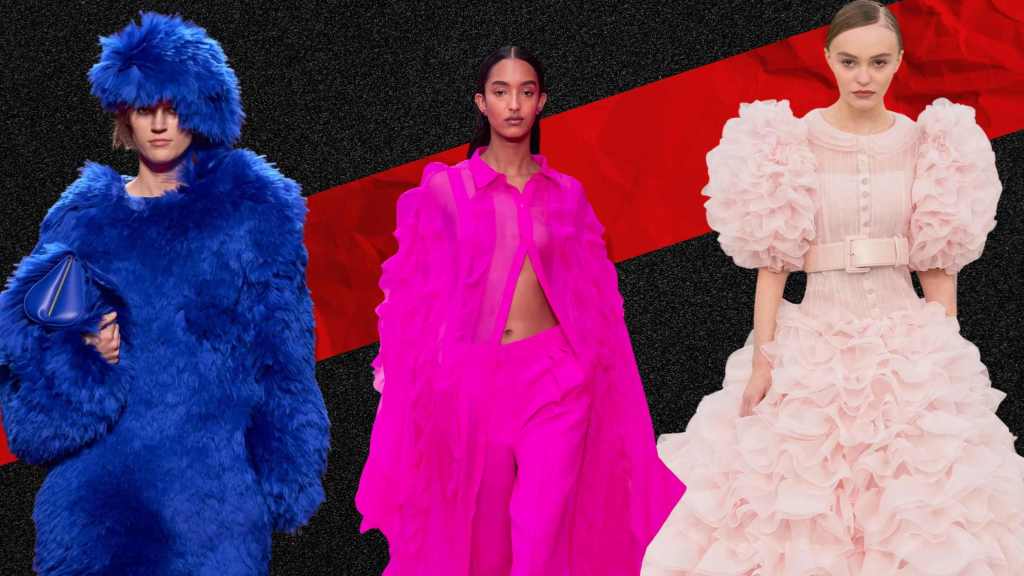
The fashion industry, particularly the luxury sector, once stood as a beacon of larger-than-life imagination and pure escapism. However, a growing sentiment suggests that this realm of surrealism and elevated creativity has faded, replaced by a pragmatic, data-driven approach that risks stifling true innovation. As the world grapples with economic uncertainty and cultural shifts, the demand for inspiration and imaginative expression in fashion is more critical than ever.
The Heavy Reality of Today’s Fashion Landscape
Lately, the macro state of the fashion industry feels weighed down by the realities of the world. The economy is challenging, the job market is stagnant, and a sense of “creative bankruptcy” pervades. Compounding this, the industry’s direction is heavily influenced by social media algorithms and data metrics, with tech billionaires seemingly dictating cultural trends. In such a “dark” reality, culture historically seeks an escape – a touch of magic, whimsy, and inspiration.
The Era of Quiet Luxury and Minimalism: A Creative Stranglehold
For several years, the luxury market has been dominated by an era of “quiet luxury” and intense minimalism. This pervasive “millennial minimalism” aesthetic has exerted a corporate chokehold on design houses, leading to collections that are often described as:
- Uninspiring from a creative leadership perspective.
- Safe and commercial, reducing runways to understated garments.
- Lacking soul, feeling hyper commercial rather than artistic.
This shift has led legacy houses, rich in archival history, to prioritize predictable commercial staples over bold creative statements. When high-end design begins to equate solely to looking like a “wealthy tech executive,” the industry faces a profound creative crisis.
The Evaporation of Creative Magic
The core of the issue lies in a perceived fear among luxury conglomerates to deviate from quarterly sales targets or safe global market strategies. This has resulted in a forgotten capacity for creative directors to truly dream, design, explore, learn, and, importantly, fail. The industry seems to have lost its way, forgetting that true luxury is not just about expensive goods but about selling a vision, a perspective, and a story.
The Power of Storytelling and World-Building
Historically, the most celebrated eras of fashion were defined by their creative audacity and narrative power. Consumers don’t typically remember the basic cashmere sweater from seasons past; they recall:
- The vintage drama of John Galliano at Dior.
- The compelling storytelling of Alexander McQueen.
- The high fantasy couture of Christian Lacroix.
- Nicolas Ghesquière’s fantastical worlds at Balenciaga.
- Marc Jacobs’ conceptual collections at Louis Vuitton.
These designers understood that a fashion show was more than a presentation; it was a full sensory, avant-garde experience, a narrative performance that pushed boundaries. Galliano’s Dior was about wild, theatrical world-building, filled with historical references and insane silhouettes, elevating brand value through unparalleled creativity.
The Hunger for Artistic Vision Persists
The online obsession with archival runway moments from younger generations proves that the hunger for this creative energy has not disappeared. The industry is, in fact, starving for true creative conviction. Luxury brands need to reinvest in world-building, creating universes that consumers want to buy into. This is the essence of true luxury: selling a point of view, a perspective, and building stories that allow consumers to step into a distinct artistic vision.
Reclaiming the Magic: A Path Forward
To revive the magic, the industry must pivot. This change must start at the executive level, with luxury conglomerates trusting their creative directors again. This means:
- Patience: Giving creative directors time (more than three years) to build their worlds, understand the brand, and develop their aesthetic.
- Prioritizing Risk: Championing artistic risk over safe commercialism.
- Embracing Experimentation: Allowing designers to be “weird” and experimental, understanding that true innovation requires the freedom to take risks, even if they don’t immediately yield a viral hit.
- Challenging the Status Quo: Rejecting the boring, data-driven approach and creating new universes from scratch.
The Consumer Connection
When luxury brands successfully build compelling narratives, consumers invest not just in an item, but in a vision, a culture, and an artistic legacy. This creates deep, long-term brand loyalty. The industry must champion designers and houses that take risks, celebrate collections that challenge norms, and bring back the joy and surrealism to fashion conversations. As seen with Nicolas Ghesquière at Louis Vuitton, even when met with pushback, embracing a unique vision is crucial.
Life is too chaotic for luxury brands to be boring. Fashion needs to reclaim its role as a playground of ideas, offering whimsy, theatre, and the absolute magic of a beautifully crafted fantasy world. It’s time for luxury to step up and remind us why it captivated us in the first place.

