
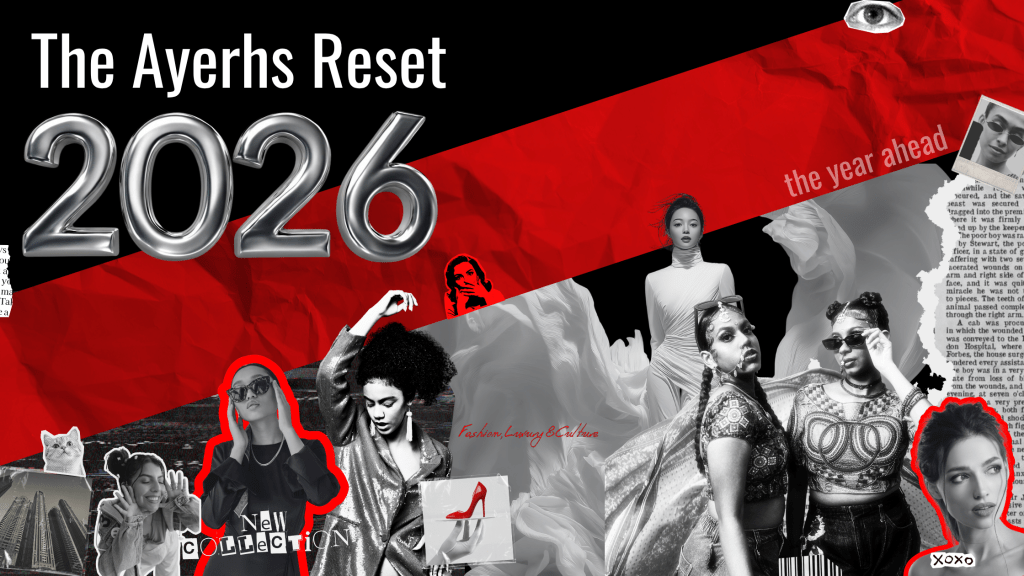
There’s always been this pendulum swing between loud and quiet. One year it’s all sequins and slogans, the next it’s beige everything. But as 2026 takes shape, we’re seeing something beautifully in between—what I like to call subtle statement dressing. It’s not about hiding your style under a pile of neutrals or shouting your personality with head-to-toe logos. It’s about expressing confidence and individuality through details that whisper, not scream.
This isn’t quiet luxury 2.0, nor is it the return of maximalism. It’s something deeper, more personal. Think of it as fashion’s calm middle ground—where craftsmanship meets comfort, where personality replaces perfection, and where your clothes do the talking, but in a tone that feels like you.
The Shift: Loud Luxury Fades, Effortless Identity Rises
Over the past few years, we’ve seen fashion ricochet between extremes. 2023 and 2024 were dominated by “stealth wealth,” where minimalism became a status symbol. Then came 2025, when Gen Z’s love for playful experimentation, layering, and irony took center stage. But 2026? It’s finding peace between the two.
We’re entering a phase where people no longer want to pick a side—they want balance. They want to look considered, not curated. Effortless, but intentional. Dressing in a way that shows self-awareness rather than self-importance.
Luxury fashion houses are catching on. The runways for Spring/Summer 2026 were filled with looks that captured this shift: crisp tailoring paired with unexpected color accents at The Row, quiet confidence in Bottega Veneta’s sculpted silhouettes, and Prada’s ability to make something as simple as a cotton shirt feel like a statement piece. Even emerging designers are building their collections around wearable art—pieces that catch the eye not because they’re loud, but because they’re thoughtful.
Subtle Doesn’t Mean Boring
Let’s be clear: subtle doesn’t mean dull. The beauty of subtle statement dressing lies in the tension between simplicity and detail. It’s the slightly exaggerated sleeve, the perfectly structured shoulder, the way a silk scarf peeks out from under a blazer. It’s about control—knowing when to stop, but also when to add just enough to make people look twice.
In 2026, color will play a big role in this balance. Expect to see classic neutrals like ivory, grey, and sand paired with soft pops—muted lilac, clay red, or faded olive. These tones add depth without overwhelming. Fabrics will also do a lot of the talking: matte leather, brushed cotton, buttery wool. These aren’t “trend” materials; they’re textures that hold presence.
Accessories will become the new statement pieces, but not in the way we used to think of them. Instead of chunky jewelry or logo bags, it’s about investment items that show taste and restraint: an architectural cuff, a perfectly proportioned belt, a bag with an unusual clasp that only a few will notice.
The Mood of Maturity
There’s a quiet maturity running through fashion right now. After years of chaos—global crises, online culture wars, the endless churn of micro-trends—people are tired. There’s a collective craving for calm, for clothes that make sense and feel good to wear.
Subtle statement dressing speaks to that. It’s for those who’ve stopped dressing to impress others and started dressing to feel aligned with themselves. It’s about editing your wardrobe down to pieces that have longevity, that say something about your personality without spelling it out in capital letters.
This doesn’t mean minimalism is back in its old form—it’s just evolved. We’re not talking sterile simplicity. We’re talking refined emotion. Clothes that carry personality, but with softness. Pieces that feel lived in, not performed.
Designers like Lemaire, Toteme, and Peter Do are defining this new mood. Their collections are rooted in craftsmanship and ease, built around pieces that live well beyond a single season. Even streetwear, once synonymous with bold logos and oversized fits, is toning down—brands like Aimé Leon Dore and Fear of God are shifting towards timeless tailoring and subtle luxury.
The Rise of Personal Uniforms
In 2026, we’ll see more people building their “personal uniforms”—a handful of go-to outfits that reflect who they are without overthinking it. This doesn’t mean wearing the same thing every day; it’s about having a signature look that grounds you.
Think of Sofia Richie Grainge’s polished ease or Zendaya’s sharp, understated glamour. Or even the quiet consistency of people who know exactly what silhouettes work for them and repeat them with confidence.
Having a personal uniform is the essence of subtle statement dressing. It’s not about blending in; it’s about standing firm in your style identity. The repetition becomes the statement.
And in a culture obsessed with newness, consistency is quietly rebellious.
The Return of Real Dressing
There’s something refreshing about fashion becoming wearable again. Subtle statement dressing invites a sense of reality back into style—it’s clothes for actual lives, not fantasy wardrobes.
We’re seeing it reflected in how people shop too. Consumers are becoming more selective. They’re investing in fewer, better items—pieces that can be styled multiple ways and last beyond trend cycles. It’s about buying a blazer you can wear to a meeting, a date, or an art gallery opening, and feeling equally yourself in all three.
Vintage and resale markets are thriving because they offer that perfect mix of individuality and timelessness. A well-cut vintage coat or a perfectly aged leather bag says more than a head-to-toe “new season” outfit ever could. There’s a certain satisfaction in knowing your clothes have stories, even before you wear them.
Styling the Subtle Statement
So how does one actually dress this way in 2026? It’s less about rules, more about intuition. But here are a few cues to guide the mood:
- Mix textures, not prints. Think wool with silk, or crisp cotton with soft leather. It’s about layering tactility, not noise.
- Go tonal. Wearing one color in different shades adds quiet dimension and looks instantly refined.
- Edit accessories. Choose one defining element—an unusual shoe shape, a sculptural earring—and let it lead the look.
- Prioritize fit. Tailoring is central to subtle statement dressing. Clothes that fit perfectly say more than any embellishment.
- Play with proportion. Balance a structured piece with something fluid, like a sharp blazer over relaxed trousers.
It’s about building contrast in a calm, intentional way. The kind that makes people wonder, what makes this outfit so good? without being able to pinpoint exactly why.
Beyond Fashion: A Reflection of Where We Are
The rise of subtle statement dressing isn’t just about clothes—it’s about the cultural mindset of 2026. We’ve reached a saturation point with spectacle. From social media to celebrity fashion, everything has felt like performance for years. Now, there’s a desire to return to honesty, to authenticity that doesn’t need to announce itself.
In a sense, fashion is mirroring the collective mood shift. People are choosing clarity over clutter, meaning over noise, reality over pretense. And subtle statement dressing captures that perfectly. It’s for the ones who are done trying to keep up and would rather just show up.
The Bottom Line
2026 will be remembered as the year fashion found its middle ground—where individuality is celebrated, but with composure. Where a perfectly tailored coat or an unexpected cut of denim says more than an entire trend cycle.
Subtle statement dressing isn’t about being invisible; it’s about being intentional. It’s the art of making every choice matter, of understanding that the smallest detail can be the loudest form of expression.
Because in a world that’s constantly shouting for attention, the real statement isn’t who can be seen the most—it’s who can stand still, look effortless, and still be unforgettable.

