
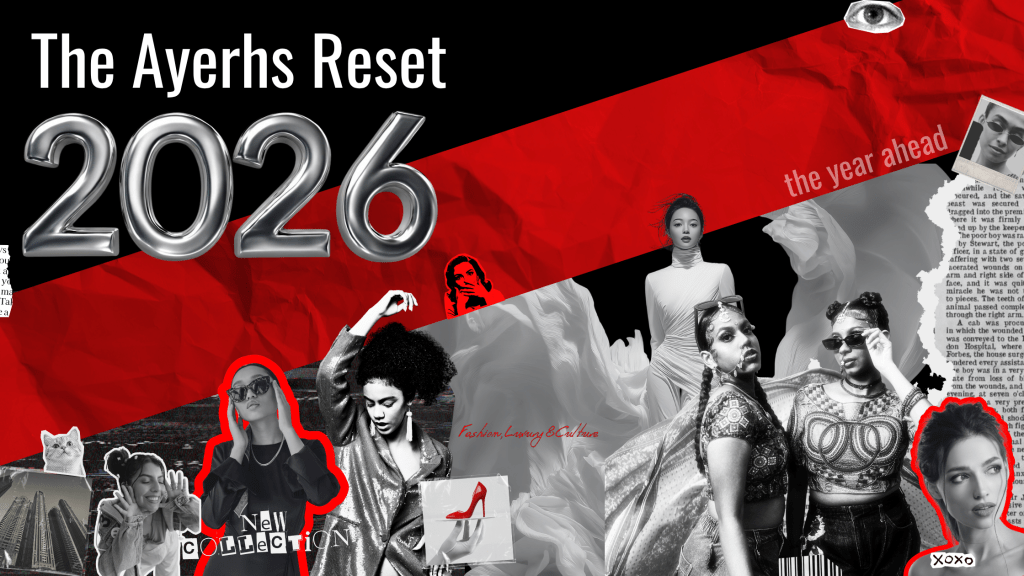
Luxury has always been about desire. The kind that glimmers, sparkles, and seduces. For decades, it was about price tags, exclusivity, and aspiration—owning things that made you feel above. But as we step into 2026, the definition of luxury has changed entirely. It’s no longer about what you own, but how what you own makes you feel.
Welcome to the era of emotional luxury—where meaning replaces material, connection outweighs status, and authenticity becomes the new symbol of sophistication.
This shift isn’t just happening in fashion—it’s everywhere. From the way people shop to how brands tell stories, luxury has moved from being about possession to being about emotion. The question is no longer, “How much does it cost?” but “Does it move me?”
Redefining What Feels Expensive
In the past, luxury was loud. It had logos, gloss, and grandeur. But in 2026, luxury feels quieter—more personal, more emotional. The most coveted brands are no longer the ones that shout their name from handbags or billboards, but the ones that make you feel something real.
It’s the experience of slipping into a perfectly tailored coat that feels like it was made just for you. It’s the warmth of craftsmanship—the invisible hours of human hands that stitched, sculpted, or shaped what you wear. It’s the way a scent reminds you of someone you love, or how a certain fabric feels against your skin.
This is what emotional luxury is: a sensory and soulful connection between you and what you choose to bring into your life.
It’s the opposite of fast fashion’s emptiness. It’s presence over possession. Quality over quantity.
In other words, emotional luxury is luxury that cares back.
The Rise of Human Connection in Fashion
The fashion world has been inching toward this shift for a while. After years of overproduction, overconsumption, and overexposure, we’ve collectively hit a breaking point. The pandemic years changed how people view value. Then came the burnout of digital culture—where everything looked good but felt hollow.
2026 represents a reset.
People now crave brands and clothes that carry emotion and purpose. They want to feel connected to something—whether that’s the story behind a collection, the maker behind a garment, or the ethics behind a brand’s process.
Luxury fashion houses are responding. Hermès continues to lead with its emotional storytelling around heritage and craft. Loewe turns clothing into poetry—pieces that feel both human and conceptual. Meanwhile, smaller designers are building their brands around intimacy and narrative rather than mass reach.
It’s no longer about being unattainable. It’s about being authentic.
Emotional luxury doesn’t demand attention—it earns affection.
The New Markers of True Luxury
In the past, we used to measure luxury by visibility—logos, red carpets, brand names. In 2026, it’s measured by feeling. Here’s what that looks like:
1. Emotional craftsmanship – You can feel the care that went into it. Whether it’s handwoven fabric, imperfect stitching, or a piece that carries the imprint of human touch, these details evoke emotion.
2. Intentional design – Every curve, color, and cut has purpose. Luxury today is thoughtful, not excessive. You can tell when something was designed with love, not algorithm.
3. Quiet storytelling – The best brands in 2026 don’t sell—they share. Their campaigns are deeply human, filled with memory, nostalgia, and vulnerability. It’s less about products, more about what those products represent.
4. Emotional sustainability – Luxury now means longevity. It’s not just about how something was made, but how long it will matter. Emotional luxury is built to last because it means something personal, not seasonal.
5. Personal resonance – Most importantly, emotional luxury is different for everyone. For some, it’s a perfectly aged leather jacket passed down through generations. For others, it’s the ritual of wearing perfume every morning. It’s about what you define as meaningful.
The Emotional Consumer
Consumers in 2026 are emotionally fluent. They don’t want perfection—they want presence. They value sincerity over spectacle, transparency over hype.
This is especially true for Gen Z and the emerging Gen Alpha consumers entering adulthood. They see luxury less as a status symbol and more as an emotional extension of self-expression. They’re not impressed by limited editions or celebrity campaigns; they’re drawn to honesty, craftsmanship, and human touch.
They want to feel seen by the brands they support.
That’s why storytelling and emotional resonance have become the new currency of luxury. A handbag is no longer just a handbag—it’s a story about patience, tradition, and artistry. A garment isn’t just something to wear—it’s a memory in motion.
When something feels emotionally intelligent, it feels timeless.
From Ownership to Intimacy
Luxury has moved beyond ownership. It’s now about intimacy—the intimate relationship between people and their possessions, brands and their buyers, creation and consumption.
Think of the resurgence of bespoke tailoring, personalized scent-making, or made-to-order fashion. These experiences are not just about exclusivity—they’re about connection. You’re part of the process. You’re seen, heard, considered.
Even digital fashion is evolving emotionally. In 2026, technology isn’t just about showing off—it’s about feeling closer to creativity. Brands are experimenting with virtual wardrobes and sensory tech that allow fashion to evoke touch, memory, and nostalgia in new ways.
We’ve moved past cold digital aesthetics. The future is emotional digital—experiences that feel alive.
The Return to Slow Pleasure
Emotional luxury also means slowing down. Taking pleasure in the details. Appreciating silence, softness, and subtlety.
It’s a form of resistance to the chaos of fast culture. To buy less, to cherish more, to be intentional—it’s a luxury in itself.
In 2026, we’re seeing people fall back in love with the act of dressing again. The feel of fabrics, the ritual of getting ready, the satisfaction of mending or rewearing something old. This is emotional luxury at its purest—finding meaning in the mundane.
It’s about wearing something not because it’s new, but because it feels right.
The Emotional Language of Brands
The brands that will thrive in 2026 are the ones that understand emotional nuance. They know that consumers don’t just buy things—they buy feelings.
This means less shouting, more listening. Less perfection, more vulnerability. Luxury brands are starting to act less like institutions and more like people—open, reflective, empathetic.
You can see it in how brands are communicating now. Campaigns that tell human stories instead of selling products. Store experiences that feel more like sanctuaries than showrooms. Collaborations that are driven by meaning, not marketing metrics.
We’re witnessing the humanization of luxury.
Emotional Luxury Is the New Status
Let’s be honest—status still matters. But it looks different now. The new status symbol isn’t exclusivity; it’s emotional intelligence.
It’s having a wardrobe that feels intentional, not excessive. It’s choosing small brands that align with your values. It’s being able to articulate why something means something to you.
Owning less but feeling more—that’s the real luxury of 2026.
And there’s a certain quiet confidence that comes with it. Because emotional luxury isn’t about showing off—it’s about showing depth.
The Future Is Feeling
As 2026 unfolds, the fashion industry’s evolution toward emotion marks a deeper cultural shift. We’re moving from an age of visibility to one of vulnerability. From display to depth. From things to feelings.
Emotional luxury isn’t a fleeting trend—it’s a reflection of who we’ve become. We’re tired of pretending. We want connection, sincerity, and presence in every aspect of our lives—even in what we wear.
The most luxurious thing you can own now isn’t a rare bag or a new watch—it’s the feeling of alignment. The peace of knowing that what surrounds you reflects who you are and what you value.
Because in a world obsessed with more, the rarest luxury of all is something that makes you feel.
And that’s exactly why 2026 belongs to emotional luxury.
 Ayerhs Magazine