
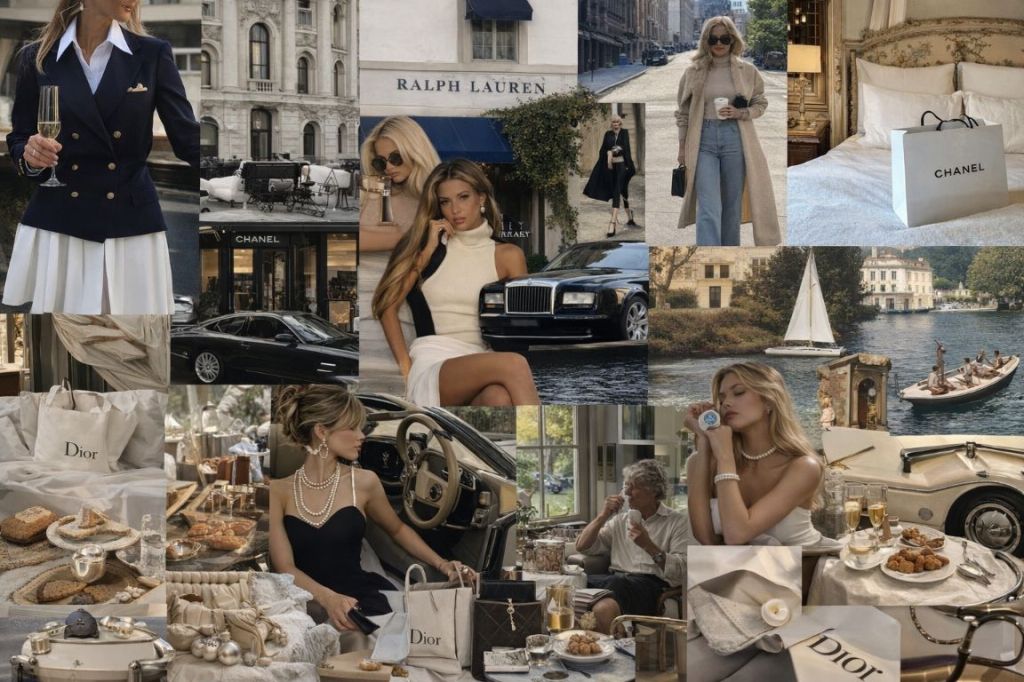
The old money aesthetic has become one of the most talked-about fashion directions recently, but its foundation is not new. It is rooted in tradition, consistency, and a quiet approach to luxury.
At first glance, it may look simple. Neutral tones, classic silhouettes, minimal accessories. But that simplicity is intentional. The aesthetic is built on the idea that true style does not need to be announced.
It is less about what you wear and more about how consistently you wear it.
Where it comes from
The old money aesthetic draws from long-standing elite circles, particularly in Europe and the United States. It reflects a lifestyle where wealth is inherited rather than displayed.
Cultural references often include institutions like Ivy League universities, where traditional dressing has long been part of the environment. There are also strong ties to leisure activities associated with wealth, such as tennis, sailing, and horseback riding.
Brands like Ralph Lauren have played a role in shaping the visual language of this aesthetic, translating these lifestyle cues into clothing.
However, the aesthetic is less about specific brands and more about a mindset. It values continuity over change.
The color palette is calm and controlled
Color is one of the defining elements of the old money aesthetic.
The palette is built around neutrals and soft tones. White, cream, beige, navy, and muted pastels are commonly used. These shades create a clean and composed look.
Bright or overly saturated colors are generally avoided. The focus is on colors that feel timeless rather than trend-driven.
Monochrome outfits are common, but so are subtle combinations of complementary tones. The goal is always to maintain a sense of balance.
The silhouette is classic and refined
The silhouettes within this aesthetic are structured but not restrictive.
Blazers, tailored trousers, button-down shirts, and knitwear are key pieces. These items are well-fitted without being tight, creating a clean and natural shape.
Dresses and skirts tend to be modest in length and simple in design. They focus on proportion rather than detail.
Outerwear, such as trench coats or wool coats, adds to the overall polished appearance.
Nothing feels exaggerated. The emphasis is on refinement.
Fabric and quality matter
One of the most important aspects of the old money aesthetic is the focus on quality.
Natural fabrics like cotton, wool, linen, and cashmere are preferred. These materials not only look better but also age well over time.
There is an understanding that clothing should last. Pieces are chosen for their durability and versatility rather than short-term appeal.
Texture plays a subtle role. Knitwear, crisp shirting, and soft tailoring add depth without drawing attention.
The quality of the fabric often speaks louder than the design itself.
Accessories are minimal and intentional
Accessories in the old money aesthetic are understated.
Jewelry is simple, often limited to small gold or silver pieces. Watches are classic and functional rather than decorative.
Bags are structured and practical, usually in neutral tones. Logos are minimal or absent.
Shoes follow the same approach. Loafers, ballet flats, and simple heels are common choices. They are polished but not flashy.
Every accessory is chosen with care, but none of them dominate the outfit.
Hair and grooming reflect effortlessness
Hair and grooming are polished but never overdone.
Hair is typically styled in a natural way, whether it is neatly brushed, softly waved, or tied back. The goal is to look put together without appearing overly styled.
Makeup is minimal and focused on enhancing natural features. Neutral tones and a clean finish are preferred.
The overall effect is effortless, even though there is clear attention to detail.
More about lifestyle than trend
What sets the old money aesthetic apart is its connection to lifestyle.
It is not just about clothing. It reflects a broader approach to living that values tradition, consistency, and discretion.
There is an emphasis on routines, etiquette, and a sense of continuity. Fashion becomes an extension of this mindset rather than a separate focus.
This is why the aesthetic often feels stable and grounded.
The role of restraint
Restraint is central to the old money aesthetic.
It avoids excess in every form. There are no bold logos, no dramatic silhouettes, and no unnecessary details.
This restraint creates a sense of confidence. The clothing does not need to prove anything.
It also allows for versatility. Pieces can be worn in different ways without losing their relevance.
The power of the aesthetic lies in what it chooses not to do.
Why it resonates now
The popularity of the old money aesthetic reflects a shift towards more intentional fashion choices.
In a landscape where trends change quickly, there is a growing appreciation for styles that feel stable and long-lasting.
This aesthetic offers a sense of clarity. It simplifies decision-making by focusing on a consistent set of principles.
It also aligns with the idea of investing in fewer, better pieces. This approach feels more sustainable and practical.
At the same time, it carries a sense of aspiration. It represents a lifestyle that feels composed and controlled.
How to approach the aesthetic
Adopting the old money aesthetic starts with focusing on the basics.
Invest in well-fitted, classic pieces such as a blazer, a white shirt, and tailored trousers. These items form the foundation of the wardrobe.
Stick to a neutral color palette. This makes it easier to create cohesive outfits.
Pay attention to fabric and quality. Choosing natural materials can elevate even the simplest look.
Keep accessories minimal and avoid anything overly trendy.
Most importantly, aim for consistency. The aesthetic works best when it is maintained over time rather than treated as a temporary style.
A balance of simplicity and intention
The old money aesthetic is defined by its balance.
It is simple, but not careless. Polished, but not excessive. Classic, but still relevant.
This balance is achieved through careful choices and a clear understanding of what works.
It does not rely on constant change. Instead, it builds its identity through consistency.
Closing thoughts
The old money aesthetic stands out because of its quiet confidence.
It does not follow trends or seek attention. It focuses on quality, fit, and restraint.
In a fashion landscape that often prioritises visibility, this approach feels different.
It shows that style can be powerful without being loud, and that simplicity, when done well, can have lasting impact.
Ultimately, it is less about appearance and more about approach. It is about dressing with intention, and letting that speak for itself.
 Ayerhs Magazine