
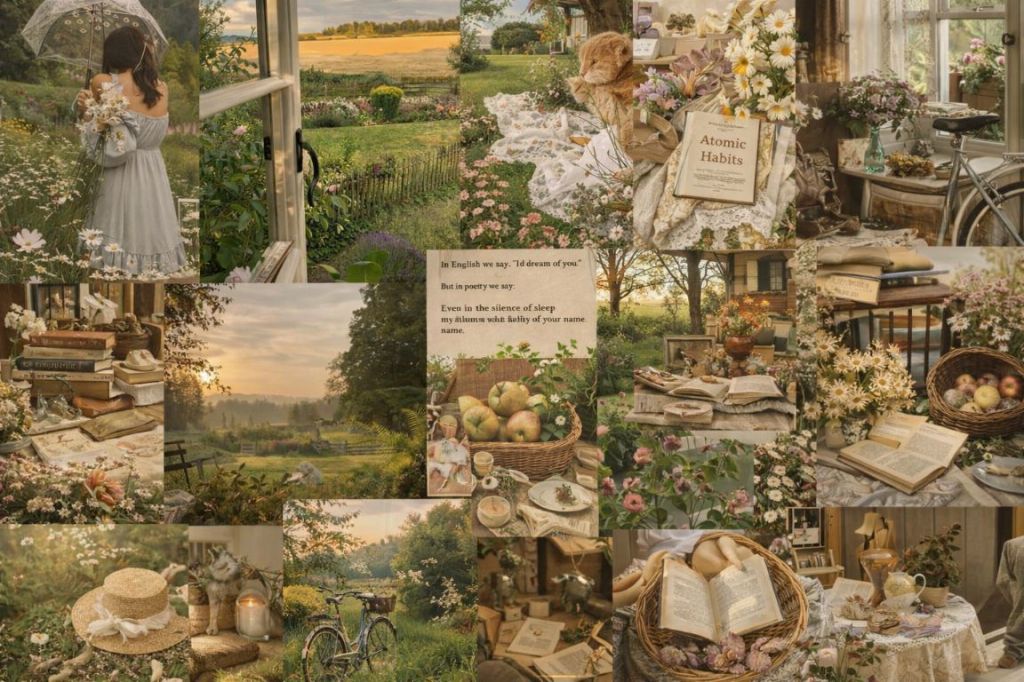
The cottagecore aesthetic has evolved from a niche internet trend into a widely recognised approach to dressing and living. It is defined by softness, ease, and a quiet sense of nostalgia. While it may appear purely visual at first, its appeal extends beyond clothing into a broader idea of lifestyle and emotional comfort.
At its core, cottagecore is about slowing down. It reflects a desire to move away from fast-paced routines and towards something more grounded and intentional. In fashion, this translates into relaxed silhouettes, natural fabrics, and a muted, nature-inspired palette.
What makes this aesthetic stand out is not its complexity, but its clarity. It focuses on simple elements and allows them to feel complete without excess.
Historical and cultural context
The cottagecore aesthetic draws heavily from rural traditions and historical dress. It reflects an idealised version of countryside living, where daily life is shaped by routine, nature, and a sense of quiet continuity.
Literary references have played an important role in shaping this visual language. Works like Anne of Green Gables present a world that feels closely aligned with the aesthetic. The emphasis on nature, domestic life, and gentle rhythms of living mirrors the values that cottagecore represents.
There are also influences from historical European clothing, particularly garments that were designed for practicality and longevity. These references are not replicated exactly, but adapted in a softer and more accessible way.
The result is an aesthetic that feels timeless, even though it is shaped by a mix of past and present influences.
A restrained and natural color palette
Color plays a central role in establishing the tone of the cottagecore aesthetic.
The palette is drawn from nature. Soft greens, warm browns, cream, off-white, pale yellow, and muted blues are commonly used. These colors create a sense of calm and familiarity, allowing the outfit to feel grounded.
Floral patterns are a defining feature. They add variation and visual interest while maintaining the softness of the overall look. These prints are usually small and delicate rather than bold or graphic.
Bright or highly saturated colors are generally avoided. The focus is on tones that feel gentle and cohesive.
This restrained palette is key to maintaining the aesthetic’s sense of balance.
Silhouette and proportion
The silhouettes associated with cottagecore are relaxed and fluid.
Dresses are often loose-fitting, with shapes that allow for movement and comfort. Midi and maxi lengths are common, reinforcing the sense of ease. Sleeves may be slightly puffed or gathered, adding subtle structure without rigidity.
Skirts and blouses follow a similar approach. They are designed to drape naturally rather than hold a defined shape.
Layering is often used to add depth. A light cardigan over a dress or a blouse paired with a skirt creates a complete look without feeling heavy.
The emphasis is not on tailoring or precision. Instead, it is on creating a silhouette that feels natural and unforced.
Fabric and material choices
Fabric is one of the most important elements in achieving the cottagecore aesthetic.
Natural materials such as cotton, linen, and light wool are preferred. These fabrics are breathable, comfortable, and aligned with the aesthetic’s focus on practicality.
There is often a visible texture to these materials. Slight wrinkles, soft weaves, and a handmade quality contribute to the overall look.
The choice of fabric is not only about appearance, but also about how the clothing feels. Comfort is central to the aesthetic, and this is reflected in the materials used.
Layering different fabrics can add depth without disrupting the simplicity of the outfit.
The importance of detail
Although the overall look is understated, details play a significant role.
Elements such as embroidery, lace trims, and small buttons add character to garments. These details are subtle, but they contribute to a sense of craftsmanship and individuality.
Apron-style dresses, tie-up backs, and gathered seams are also common. These features reference traditional clothing while remaining relevant to modern styling.
The key is that details are integrated into the design rather than added for decoration alone. They feel functional and considered.
Accessories and styling
Accessories within the cottagecore aesthetic are minimal and practical.
Woven baskets, straw hats, and simple leather or fabric bags are common choices. These items align with the natural and grounded feel of the aesthetic.
Jewelry is usually delicate. Small pendants, thin chains, and understated earrings complement the softness of the look.
Footwear tends to be simple and functional. Ballet flats, sandals, and low boots are typical options.
Hair accessories, such as ribbons or scarves, are often used to enhance the overall styling.
The goal is to maintain consistency. Accessories should support the outfit rather than dominate it.
Hair and grooming
Hair and grooming follow the same principles of simplicity and ease.
Hairstyles are often soft and natural. Loose waves, braids, or simple updos are common. The focus is on creating a look that feels effortless.
Makeup, if worn, is minimal. It usually includes a light base, subtle blush, and neutral tones.
This approach keeps the overall aesthetic cohesive. Nothing feels overly styled or out of place.
Cottagecore as a lifestyle
One of the defining aspects of cottagecore is its connection to lifestyle.
It is often associated with activities such as baking, gardening, reading, and spending time outdoors. These activities reinforce the aesthetic’s emphasis on slowing down and finding comfort in simple routines.
While not everyone fully adopts this lifestyle, many incorporate elements of it into their daily lives. Even small changes, such as choosing more natural fabrics or creating a calmer environment, can reflect the aesthetic.
This connection to lifestyle is what gives cottagecore its depth. It is not just about appearance, but about how one chooses to live.
The role of nostalgia
Nostalgia is central to the appeal of cottagecore.
The aesthetic presents an idealised version of the past. It focuses on warmth, simplicity, and a slower pace of life. This version of the past is not entirely realistic, but it captures a feeling that many find comforting.
At the same time, cottagecore adapts these nostalgic elements to fit modern life. It allows individuals to engage with this sense of calm without fully stepping away from contemporary routines.
This balance between past and present is key to its relevance.
Contemporary relevance
The popularity of the cottagecore aesthetic can be understood within a broader cultural context.
In a fast-moving, digitally driven world, there is a growing desire for stability and simplicity. Cottagecore offers a visual and emotional response to this need.
It also aligns with increased awareness around sustainability. The focus on natural fabrics, long-lasting garments, and thoughtful consumption reflects a more responsible approach to fashion.
Additionally, the aesthetic provides a sense of identity. It offers a clear and cohesive style that feels grounded and intentional.
These factors contribute to its continued relevance.
How to approach the aesthetic
Incorporating cottagecore into a wardrobe does not require a complete transformation.
It can begin with a few key pieces. A flowy dress, a soft blouse, or a lightweight cardigan can serve as a foundation. These items can be combined in different ways to create varied looks.
Maintaining a consistent color palette helps create cohesion. Choosing natural fabrics enhances both comfort and authenticity.
Attention to detail is also important. Small elements, such as embroidery or subtle trims, can elevate a simple outfit.
At the same time, it is important to avoid over-styling. The strength of the aesthetic lies in its simplicity.
Balance and longevity
The cottagecore aesthetic is defined by its balance.
It is simple, but not plain. Relaxed, but not careless. It focuses on comfort while maintaining a clear sense of style.
This balance allows it to remain relevant beyond short-term trends. Its reliance on classic elements and natural materials gives it a sense of longevity.
Rather than changing with each season, it evolves gradually while maintaining its core identity.
Closing reflections
The cottagecore aesthetic offers a thoughtful approach to fashion.
It prioritises comfort, simplicity, and a connection to nature. It moves away from excess and focuses on what feels meaningful and lasting.
In doing so, it provides an alternative to fast-changing trends and highly curated styles. It encourages a slower, more intentional way of dressing.
Ultimately, cottagecore is not defined by any single garment or rule. It is defined by a mindset. One that values ease, consistency, and a quiet appreciation for the everyday.
 Ayerhs Magazine