
A — Alley Cat
In the late 1960s, Johnson designed for Alley Cat, a label that translated the energy of rock concerts and downtown New York into clothes. The brand mixed suede, fringe, and body-conscious silhouettes, aligning with the youth-driven counterculture of the era. It positioned Johnson as a designer who understood subcultures before they were commercialized.
B — Ballet
Before fashion, Johnson trained seriously in ballet. Years of dance shaped her understanding of movement and fit. She designed clothes that stretched, bounced, and followed the body. Her later runway cartwheels were not a gimmick but a reflection of a dancer who never left the stage.
C — Cartwheel
At the end of every runway show, Johnson performed a cartwheel and often a split. The tradition began in the 1970s and continued for decades. It became a signature moment that communicated stamina, humor, and refusal to age quietly in an industry that often sidelines older women.
D — Downtown
Johnson’s early career was rooted in downtown Manhattan during the 1960s. She dressed artists, musicians, and nightlife regulars rather than society elites. That underground credibility gave her work authenticity and connected her to movements that shaped youth culture.
E — Edie
Edie Sedgwick embodied the gamine, rebellious spirit of the era Johnson designed for. The short hemlines, heavy eyeliner, and bold silhouettes of Sedgwick’s look echoed in Johnson’s early collections, reinforcing her connection to New York’s experimental art scene.
F — Feminine
Johnson’s work embraced bows, lace, ruffles, and pink, but her femininity was assertive rather than delicate. She merged sweetness with attitude, creating clothes that felt playful yet bold. Her version of girlishness was loud, self-aware, and never apologetic.
G — Glitter
Sparkle became part of her vocabulary early on. Sequins, metallic fabrics, and glitter finishes added theatricality to otherwise simple silhouettes. For Johnson, shine was not excess but expression, a way of amplifying joy and visibility.
H — Health
In 1999, Johnson was diagnosed with breast cancer. She underwent treatment and later spoke publicly about her experience. The diagnosis did not soften her aesthetic. Instead, it sharpened her sense of urgency about creativity and visibility, reinforcing her belief in celebrating life loudly.
I — Individuality
Johnson resisted trends that demanded uniformity. During the minimalist wave of the 1990s, she continued producing neon, body-hugging dresses. That insistence on self-definition helped her carve a loyal audience that valued personal style over seasonal conformity.
J — Jewelry
Her costume jewelry line expanded her reach beyond apparel. Oversized charms, playful motifs, and kitschy embellishments allowed younger consumers to access the brand at lower price points. It strengthened her identity as both designer and lifestyle figure.
K — Kitschy
Critics often described her work as kitschy. Johnson embraced the label. She understood that camp and exaggeration were tools, not flaws. By leaning into theatrical elements, she created a visual language that stood apart from polished luxury minimalism.
L — Lulu
Her daughter, Lulu Johnson, became part of her public narrative and occasionally collaborated with her professionally. Their relationship was featured in the reality series Betseyville, offering a glimpse into the family dynamics behind the brand.
M — Mademoiselle
In 1964, Johnson won Mademoiselle magazine’s Guest Editor Contest. The recognition launched her career in New York’s fashion industry. It placed her among young designers redefining American style for a new generation.
N — Neon
Neon pink, electric blue, and acid green became visual signatures, especially in the 1980s. These colors reflected the decade’s excess while reinforcing Johnson’s commitment to visibility. In a crowded retail landscape, her palette was unmistakable.
O — Ownership
Johnson experienced both independence and corporate transition. After financial struggles and bankruptcy filings, her brand was eventually acquired by Steve Madden Ltd. The shift reflected broader industry consolidation while allowing her name to remain commercially active.
P — Paraphernalia
Johnson worked at Paraphernalia, a boutique that embodied the Youthquake movement of the 1960s. The store rejected Paris imitation and embraced bold, youth-led design. It was a formative environment that encouraged experimentation and energy.
Q — Quirky
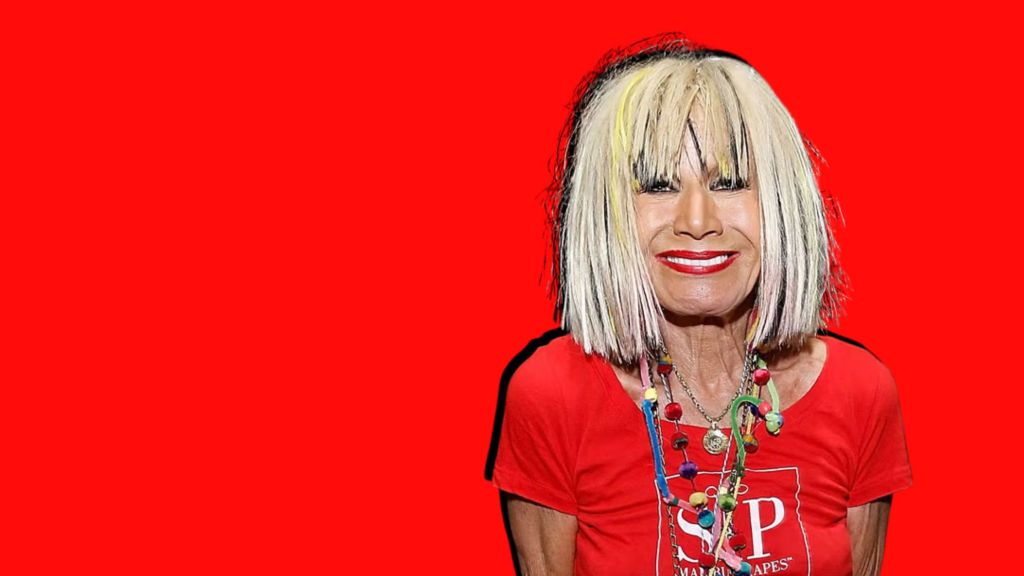
Her public persona, from pink hair to playful interviews, reinforced the brand’s quirky reputation. Rather than separating designer from product, Johnson blurred the lines. She became a living extension of her aesthetic.
R — Retail
Johnson opened immersive boutiques beginning in the late 1970s. Pink walls, dramatic mannequins, and theatrical layouts turned shopping into performance. She understood experiential retail before it became a marketing strategy.
S — Stretch
Body-conscious dresses defined her silhouettes. Stretch fabrics allowed for tight fits without restricting movement. The technical construction behind these pieces balanced comfort with drama, reflecting her dancer’s perspective.
T — Tulle
Layers of tulle, often in bright colors, appeared repeatedly in her collections. The fabric evoked ballet tutus while reinforcing her love of volume and fantasy. It became shorthand for her playful romanticism.
U — Youthquake
The 1960s Youthquake movement celebrated young designers creating for their own generation. Johnson emerged from this cultural shift, helping to define an American youth aesthetic that prioritized individuality over tradition.
V — Betseyville
The 2010 reality series Betseyville followed Johnson’s personal and professional life. It documented the pressures of maintaining relevance in a changing retail landscape and introduced her to audiences beyond traditional fashion media.
W — Wethersfield
Born in Wethersfield, Connecticut, on August 10, 1942, Johnson did not grow up in a fashion capital. Her journey from small-town upbringing to New York’s creative core underscores how cultural shifts can open doors for unexpected voices.
X — X-Factor
Johnson’s X-factor was consistency. While many designers reinvented themselves season after season, she refined and amplified her core aesthetic. The recognizable silhouette and color story became strategic strengths.
Y — Youth
Even as decades passed, Johnson’s work maintained a youthful spirit. This did not mean immaturity but rather energy and defiance. She challenged the industry’s fixation on age by remaining physically and creatively active.
Z — Zest
What defined Johnson across five decades was zest. Through bankruptcy, illness, and retail upheaval, she maintained enthusiasm for spectacle and self-expression. Her legacy is not just a pink dress or a runway split but a sustained commitment to fashion as celebration.
 Ayerhs Magazine