
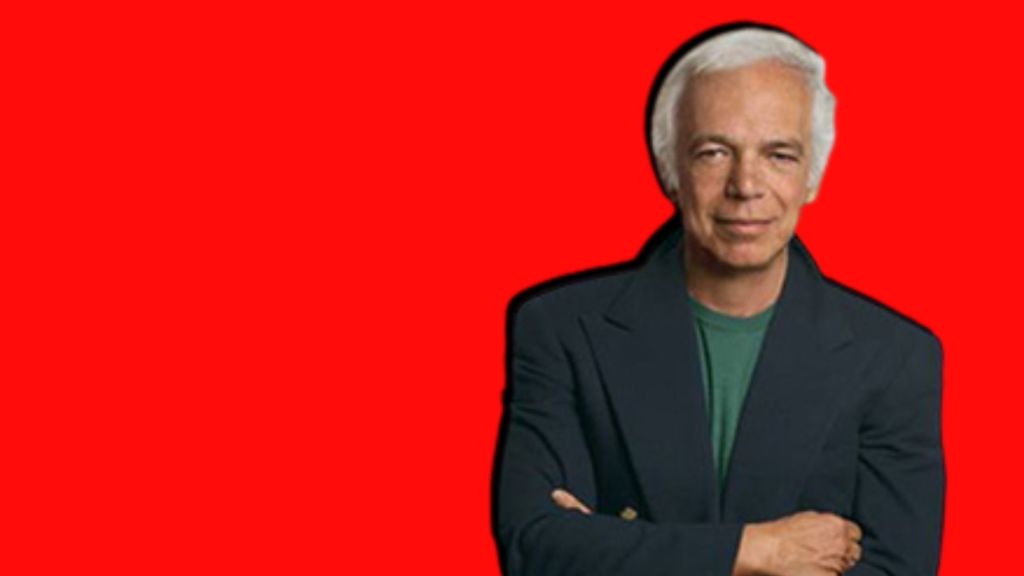
A — America
Ralph Lauren built his entire brand around an idea of America that felt polished, cinematic, and aspirational. From Ivy League campuses to Western ranches, he constructed visual narratives that celebrated heritage and optimism. His work did not chase avant garde experimentation. It framed American identity as timeless, confident, and quietly luxurious.
B — Bronx
Born on October 14, 1939, in the Bronx, New York City, Lauren grew up in a modest apartment within a working class immigrant community. His parents were Jewish immigrants from Belarus. The contrast between his surroundings and the glamorous worlds he saw in films and magazines shaped his imagination. Early exposure to aspiration fueled his belief that style could signal possibility.
C — Cinema
Film deeply influenced Lauren’s aesthetic. He studied old Hollywood actors, absorbing how tailoring communicated power and romance. His work on the 1974 adaptation of The Great Gatsby, starring Robert Redford, cemented this connection. The costumes linked his brand to a refined vision of American elegance that continues to define his imagery.
D — Double RL
Launched in 1993, Double RL, often abbreviated as RRL, reflects Lauren’s fascination with vintage Americana. Named after his Colorado ranch, the line draws on workwear, military garments, and frontier references. Unlike the polished preppy look of Polo, Double RL leans rugged and archival, emphasizing craftsmanship and authenticity within a heritage framework.
E — Equestrian
The polo player logo, introduced in the early 1970s, became one of fashion’s most recognizable symbols. Equestrian imagery runs throughout Lauren’s work, signaling leisure, control, and old world refinement. The logo was small but strategic. It transformed basic garments into markers of belonging within a specific lifestyle narrative.
F — Fragrance
In 1978, Lauren launched Polo for men and Lauren for women. Polo became a commercial success, expanding the brand beyond apparel. Fragrance allowed broader access to the Ralph Lauren identity. It demonstrated his understanding that lifestyle branding could extend into scent, reinforcing emotional connection beyond clothing alone.
G — Gatsby
Designing the menswear for The Great Gatsby aligned Lauren with one of America’s most enduring literary myths. The pastel suits and crisp tailoring echoed the elegance he promoted in his own collections. Although the story was set in the 1920s, audiences associated that glamour with contemporary Ralph Lauren style.
H — Home
In 1983, Lauren launched Ralph Lauren Home. This expansion into furniture, bedding, and decor transformed the company into a full lifestyle empire. Few designers at the time extended their aesthetic so comprehensively. He did not simply want customers to dress in his vision. He wanted them to live inside it.
I — Ivy League
Ivy League style shaped Lauren’s early menswear. Oxford shirts, blazers, loafers, and rugby stripes formed the backbone of Polo collections. The look suggested East Coast education and generational confidence, even though Lauren himself did not attend an Ivy League university. He translated collegiate codes into globally marketable symbols.
J — Jewish Heritage
Lauren’s parents were Jewish immigrants from Belarus. Though his branding centered on broader American themes, his background shaped his ambition and resilience. Growing up in an immigrant household instilled a strong work ethic. His story reflects a classic American narrative of second generation upward mobility.
K — Knitwear
Cable knit sweaters, particularly those featuring the American flag motif, became signature pieces. Knitwear allowed Lauren to balance preppy polish with relaxed ease. These sweaters often appear in campaign imagery, reinforcing themes of heritage and patriotism without overt slogans.
L — Lifshitz
Born Ralph Lifshitz, he changed his surname to Lauren during adolescence. The decision reflected an early understanding of branding and perception. The new name felt adaptable and less likely to attract unwanted attention. It was a strategic shift that aligned personal identity with broader ambition.
M — Madison Avenue
In 1986, Lauren opened a flagship store in the Rhinelander Mansion on Madison Avenue in New York. The historic building reinforced his commitment to heritage aesthetics. Entering the store felt less like shopping and more like stepping into a curated private world.
N — Narrative
Lauren has often described his collections as storytelling rather than seasonal trend responses. Each runway show constructs a world, whether inspired by the Hamptons, the American West, or English country estates. This narrative driven approach differentiates him from designers focused solely on silhouette innovation.
O — Olympics
In 2008, Ralph Lauren became the official outfitter for the United States Olympic Team. The partnership reinforced the brand’s alignment with national imagery. Blazers with crests and flag motifs presented a polished version of American identity on a global stage.
P — Polo
Launched in 1967 as a line of wide ties, Polo became the foundation of his empire. The name evoked aristocratic leisure. It suggested exclusivity while remaining commercially accessible. Over time, Polo expanded into menswear, womenswear, and global licensing, becoming synonymous with his brand.
Q — Quality Control
Lauren’s long term success relied on maintaining consistent quality across diverse product categories. As the company expanded globally, preserving fabric standards and tailoring details became central to protecting brand reputation. Consistency supported the illusion of timelessness.
R — Ricky
Ricky Lauren, his wife since 1962, has been integral to his personal and public image. Frequently appearing in campaigns and events, she embodies the refined yet relaxed lifestyle central to the brand. Their enduring partnership reinforces themes of stability and family.
S — Sub Brands
Over decades, Lauren introduced multiple sub brands, including Polo Sport and Lauren Ralph Lauren. These lines allowed the company to reach varied demographics without diluting core identity. Strategic segmentation supported growth while preserving overarching aesthetic coherence.
T — Tie
The tie was where it all began. In 1967, Lauren convinced retailers to stock wider, more expressive ties that broke from conservative norms. That early risk set the tone for his career. He was not inventing garments. He was reframing how they could signal confidence.
U — United States
Lauren’s branding is inseparable from the symbolism of the United States. From flag sweaters to Olympic uniforms, his work positions fashion as a soft power tool. He presented a polished vision of American prosperity that resonated globally.
V — Vision
Lauren’s enduring strength lies in consistency of vision. While fashion cycles shifted toward minimalism, logomania, and streetwear, he maintained a clear narrative rooted in heritage and aspiration. That steadiness built long term brand trust.
W — Western
Western references have appeared repeatedly in his collections. Fringed suede jackets, denim shirts, and Navajo inspired patterns draw on frontier mythology. These elements add rugged contrast to his East Coast preppy foundations.
X — Expansion
The company went public in 1997, accelerating international growth. Licensing, fragrance, homeware, and digital retail expanded his reach. Strategic scaling transformed a tie line into a multinational corporation.
Y — Youth Culture
In the 1990s, Polo became embedded in hip hop culture, particularly in New York. Communities outside the brand’s original target audience embraced its imagery, reshaping its meaning. This adoption demonstrated how flexible and culturally adaptable his symbols were.
Z — Zenith
Rather than a single peak, Lauren’s career reflects sustained influence across decades. From a Bronx childhood to global recognition, he built a brand that equates clothing with belonging. His biography continues, but his position within American fashion history is already secure.
 Ayerhs Magazine