
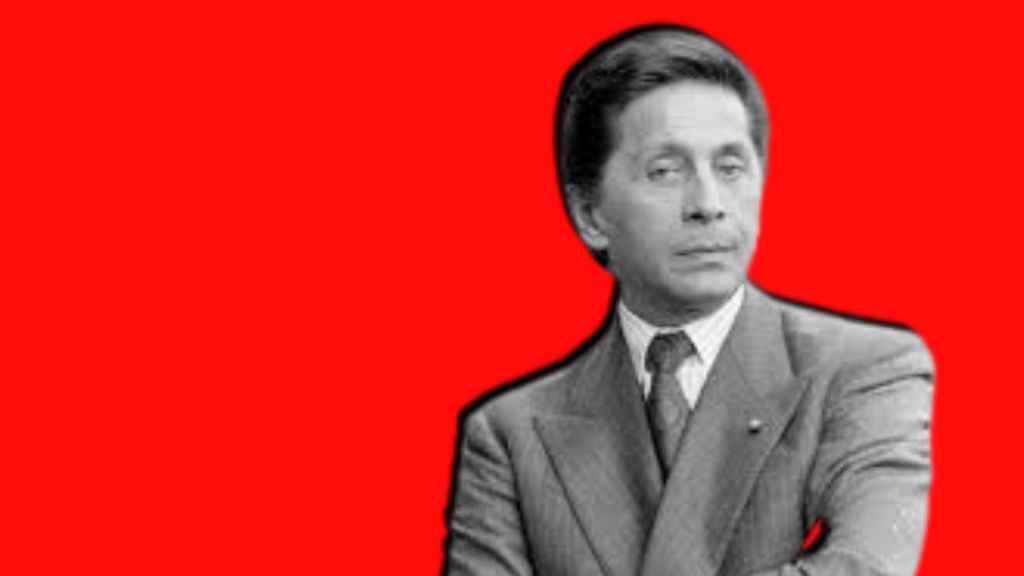
A — Apprenticeship
Valentino trained in Paris at the École des Beaux-Arts and the Chambre Syndicale de la Couture Parisienne before working under Jean Dessès and Guy Laroche. These early years grounded him in couture discipline, teaching him structure, proportion, and the technical rigor behind elegance rather than relying on instinct alone.
B — Barcelona
A trip to Barcelona as a young man proved formative. Attending the opera, Valentino noticed how women in red commanded attention in the audience. The experience shaped his lifelong relationship with the color, later refined into what became known globally as Valentino red.
C — Couture
Couture was the foundation of Valentino’s career and remained central to his identity. Even as ready-to-wear expanded, he treated couture as the highest expression of fashion craftsmanship. For Valentino, it was a space for precision, restraint, and emotional storytelling rather than experimentation for shock.
D — Discipline
Valentino was known for his strict working habits and high standards. He believed beauty required control, repetition, and patience. This discipline extended from sketching to fittings, where perfection was non-negotiable and garments were refined until every detail felt resolved.
E — Elegance
Elegance defined Valentino’s design philosophy. He rejected excess and provocation, focusing instead on clothes that enhanced the wearer. His idea of elegance was not trend-driven but rooted in balance, proportion, and timeless appeal, allowing his work to age with relevance.
F — Florence (Pitti Palace)
Valentino’s international breakthrough came in 1962 at the Pitti Palace in Florence. The collection established him as a major designer overnight, drawing attention from buyers and press. It marked Italy’s growing presence in global fashion, long dominated by Paris.
G — Giancarlo Giammetti
Meeting Giancarlo Giammetti changed Valentino’s career trajectory. Giammetti brought business structure and strategic clarity, allowing Valentino to focus on design. Their partnership became one of fashion’s most enduring creative-business alliances, essential to the brand’s longevity.
H — Haute Society
Valentino dressed royalty, aristocrats, and socialites across Europe and the United States. His work became synonymous with formal occasions, state dinners, and society weddings. This association reinforced the house’s image as a symbol of refined luxury rather than mass appeal.
I — Italy
Though trained in Paris, Valentino was deeply committed to Italian craftsmanship. He positioned Rome as a couture capital and showcased Italian textiles, embroidery, and tailoring. His success helped elevate Italy’s status in luxury fashion on a global scale.
J — Jacqueline Kennedy Onassis
One of Valentino’s most influential clients, Jacqueline Kennedy Onassis wore him for her wedding to Aristotle Onassis and many public appearances. Her endorsement aligned the brand with discretion, modern aristocracy, and quiet authority rather than overt glamour.
K — Knits and Daywear
Beyond evening gowns, Valentino paid close attention to daywear and knitwear. He believed luxury should extend into everyday life, designing refined pieces that balanced comfort with polish. This approach helped his ready-to-wear feel elevated yet wearable.
L — Lace
Lace became a recurring material in Valentino’s work, used with restraint rather than excess. Often paired with clean silhouettes, it added softness and depth without overwhelming the design. His use of lace reflected his ability to balance romance with control.
M — Menswear
Though best known for womenswear, Valentino launched menswear that mirrored his core values. Clean tailoring, subtle detailing, and classic proportions defined the line. It appealed to men seeking timeless sophistication rather than trend-led statements.
N — Neutral Palettes
While famous for red, Valentino frequently worked with whites, ivories, blacks, and soft neutrals. These tones emphasized cut and construction, reinforcing his belief that design should stand on form and craftsmanship, not color alone.
O — Oscars
Valentino gowns became staples on red carpets, particularly at the Academy Awards. Actresses chose his designs for their reliability and grace, knowing the clothes would photograph well and feel appropriate for historic moments rather than fleeting trends.
P — Paris
Paris shaped Valentino’s technical foundation and remained symbolically important. His final couture show in 2008 took place there, closing the circle from student to master. Paris represented tradition, discipline, and the origins of his design language.
Q — Quality Control
Valentino was famously exacting about finishes, fittings, and materials. Nothing left the atelier without his approval. This obsessive attention ensured consistency across decades and helped maintain the brand’s reputation even as it expanded globally.
R — Red
Valentino red became one of fashion’s most recognizable signatures. Neither too dark nor too bright, the shade was designed to flatter many skin tones. It symbolized confidence, sensuality, and presence, anchoring collections across seasons and decades.
S — Simplicity
Despite intricate construction, Valentino’s designs often appeared simple. He believed true luxury felt effortless, hiding complexity beneath clean lines. This philosophy distinguished him from designers who relied on visual excess to convey value.
T — Timelessness
Valentino designed with longevity in mind. He avoided rapid trend cycles, aiming instead to create clothes that would remain relevant years later. This mindset positioned his work as investment dressing rather than seasonal consumption.
U — Uniform Dressing
Many clients returned to Valentino for a consistent look. His clothes became a personal uniform for women who valued continuity and identity. This repeat loyalty reflected trust in his aesthetic rather than a desire for constant reinvention.
V — Via Condotti
Valentino’s first atelier opened on Via Condotti in Rome. The address symbolized ambition and risk, as early collections struggled financially. Over time, it became synonymous with Italian couture success and the birth of a global luxury house.
W — Women
Valentino designed with a clear respect for women’s bodies and lives. He prioritized movement, comfort, and confidence, believing fashion should support rather than challenge the wearer. His work consistently centered the woman, not the spectacle.
X — X-Factor (Restraint)
Valentino’s defining X-factor was restraint. In an industry drawn to excess, he trusted proportion and detail. This quiet confidence became his signature, setting him apart in periods dominated by louder aesthetics.
Y — Youthful Discipline
Even in his early collections, Valentino showed maturity beyond his years. Rather than chasing novelty, he demonstrated control and focus, qualities that sustained his career across changing fashion eras.
Z — Zenit of Couture
Valentino reached the zenith of couture by staying consistent rather than radical. His legacy rests on refinement, discipline, and emotional clarity. He proved that fashion built on tradition and respect for craft can endure across generations.
 Ayerhs Magazine