I was compiling notes for a piece on designers who actually practice what they preach, not just recycle the language of sustainability. That search brought me to The Gifted, and then to Zacary Jackson, the designer who sits behind it. From that first click I felt like I had tripped over something to remember.
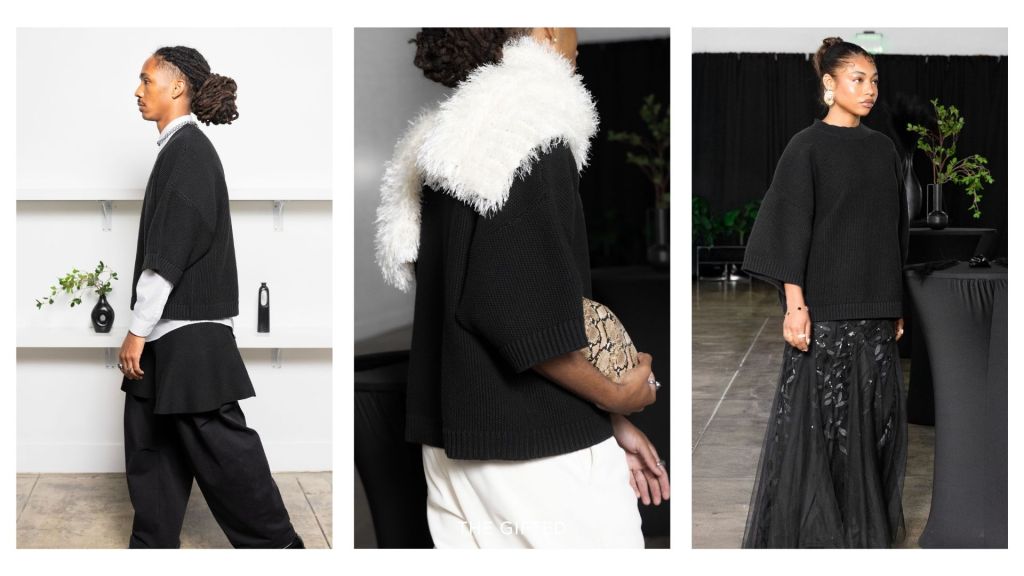
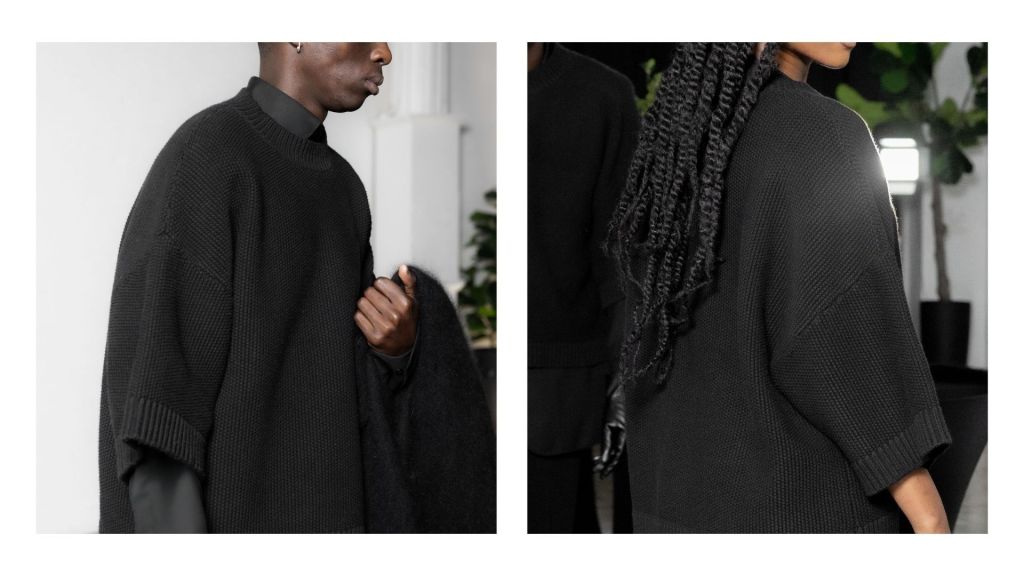
What stopped me first was the clarity. Zacary did not debut with a twenty-piece collection or a flood of seasonal looks. Instead he introduced one garment, an oversized knit shirt made from wool and cashmere, and framed it as a singular moment. The decision feels radical because it rejects the logic of volume, seasonal churn, and overproduction. He explains the thinking plainly: “I chose to launch Spring 2026 with a single key piece rather than a full collection because THE GIFTED operates on a focused release philosophy.” That line landed for me as a statement of intent, not a clever marketing angle. It tells you how the brand will work, and why it will look different from everything else that clamors for attention.
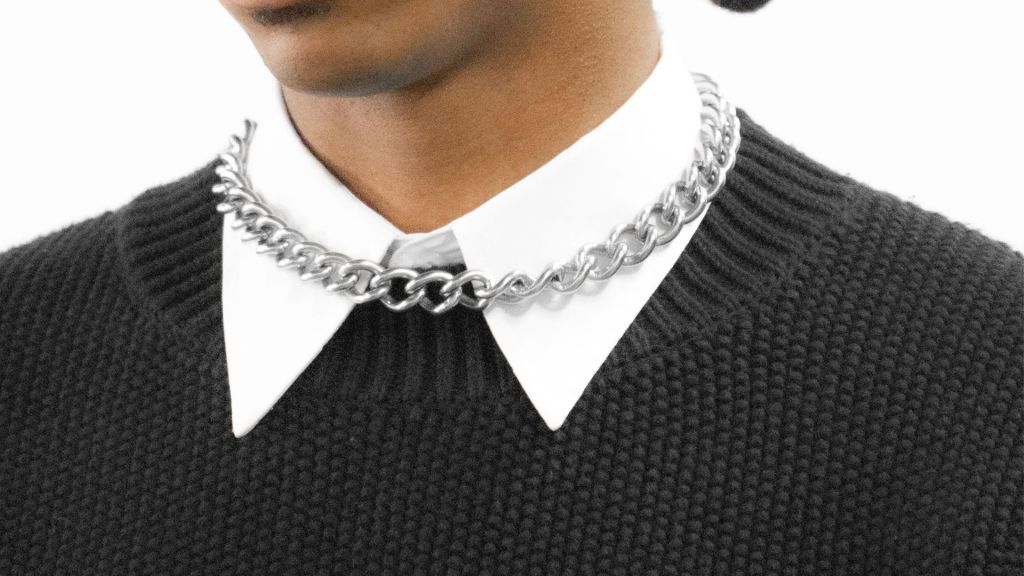
The press release spells out the rest in its clean, almost austere language. LE DON, which translates as The Gift, is described as part material and part emotional statement. The knit shirt is not an accidental piece. It is constructed to be felt more than noticed for detail, defined by weight, texture, and presence rather than ornament. The campaign around it, called The Walk, is a film and editorial study in movement and individuality. The rollout is deliberate, built on restraint.
Because I was looking through the lens of slow fashion, a few flags rose up immediately. One was production scale. Zacary writes plainly about limiting output. In his own words, for this release “no more than 25 knit shirts will be produced,” which is a production choice that forces rarity and, I would argue, attention. Limiting quantity is not the same thing as being elitist. It is a mechanism to prevent dilution of intent, and a structural resistance to the industry default of make more, market louder, repeat. Limiting production creates a direct relationship between maker and wearer. It makes you ask who the piece is for and why it exists beyond a shopping impulse.
Another thread that kept pulling at me was the role of memory and place in his work. Zacary is very clear that the brand is rooted in personal history. He traces The Gifted back to a childhood upheaval and says, “The idea for THE GIFTED first came together after a life changing period in my childhood.” That sentence is short and unflashy, but it reframes the brand as a practice, a form of meaning making rather than a business that only chases returns. What that does is give the garments a tether to something human. The clothes are not just silhouettes; they are containers for narrative.
When you dig into his answers, another theme becomes obvious. Quality is a non negotiable. Zacary says longevity is essential. “Longevity is one of the most important factors I take into consideration,” he told me in the Q and A. That is not the same language you hear from brands hedging about sustainability. It is a functional claim. If a piece is to be worn for decades, then the choices about materials, construction, and fit cannot be compromises. This is the practical side of slow fashion. It requires patience. It requires investment in artisans, in better materials, in patterns that survive wear. You do not get longevity with cheap labor or speed. That is where the single piece launch makes sense. It shows mastery and allows time to refine, and it makes the problem of quality manageable and visible.
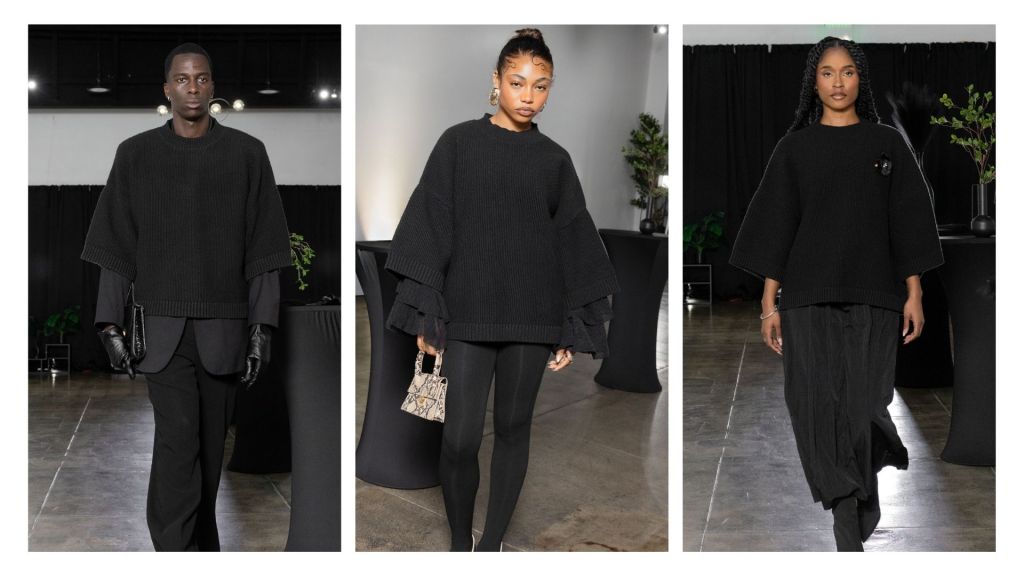
There is a disciplined creative vision at work too. Zacary’s approach is not maximalist fantasy. It is studied, disciplined, and almost surgical in its focus. The knit shirt is intentionally oversized with extended hems that feel bold yet precise. That combination of scale and restraint tells you he is thinking about proportion as a structural language, not as trend decoration. The press release describes the silhouette as distinct yet minimal, defined by its weight and texture rather than excess. That kind of design grammar shows a designer who understands how to be memorable without shouting. It also makes the pieces adaptable, which is another pillar of slow fashion. Clothing that can be styled in different ways, that grows with the wearer, naturally resists being tossed.
A lot of designers say they are ethical or sustainable, but Zacary’s answers reveal the mechanics behind those words. He links the slower model directly to sustainability. “This question secretly answers itself,” he writes, noting that intentional, slower production supports a more sustainable system because it focuses on quality and longevity. That is important because it ties values to practice. It is the difference between a press release that recycles sustainability language and a business model that actually reduces waste. His critique of waste is explicit. “What bothers me most is the overproduction of pieces with no lasting intention,” he says. That is a bold call out of the industry’s worst habit, which is producing garments designed primarily to be visible for one season and then discarded.
That critique is followed by a clear production strategy. Zacary talks about building a fashion house that operates on his own terms, with a house of artisans and manufacturers that can deliver high end touches and a commitment to the brand’s core. He sees the house as a long game, not a series of pop moments. That long game is what makes his singular release philosophy feel less like a stunt and more like a structural decision aimed at preserving value. If you want a durable fashion house, you need systems that protect craft, that allow iterative learning over years, and that avoid the trap of chasing short term sales through constant drops. His answer about building a controlled house of artisans suggests that he has thought about the backend as much as the front of the room.
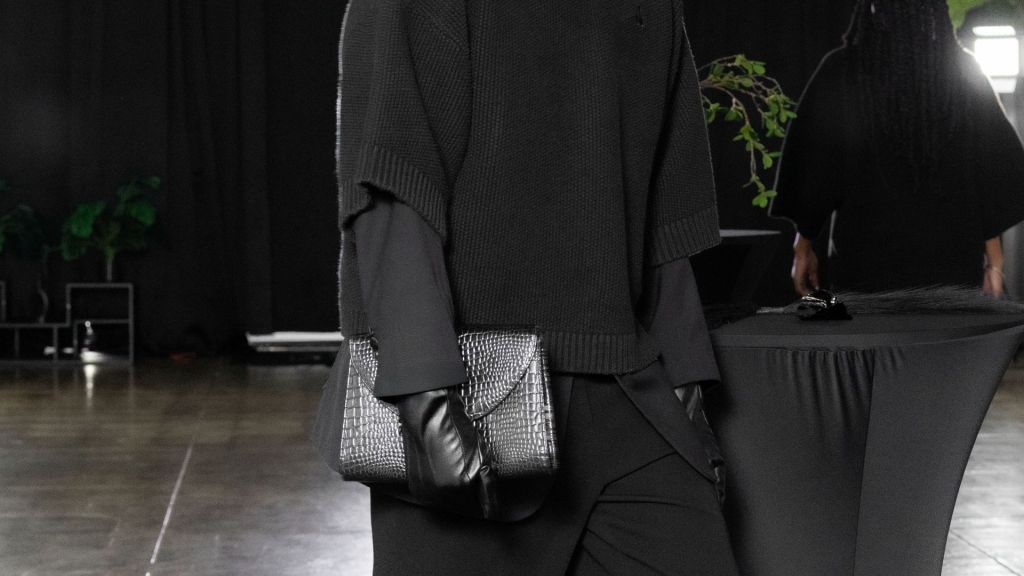
The campaign work around the release also speaks to how story and craft are being married. The Walk is not a runway in the traditional sense. It is a filmic study meant to show the garment in motion, how it sits on bodies of different shapes and stylings, and how it carries presence. Zacary could have rented a ballroom, booked a dozen models, and filled a catwalk with noise. Instead he chose a cinematic, content driven fashion experience, produced with select collaborators and resources. That approach reflects a modern reality for small houses: the format of presentation matters, but it does not have to mimic the old calendar to be effective. The Walk reads like a deliberate, small scale event designed to generate meaning rather than spectacle.
There is also a marketing honesty I respect here. He acknowledges that accessibility will not come through price negotiation. Instead accessibility can come through transparency, understanding, and the possibility that owning is not the only form of access. He says he does not try to make the product accessible by lowering standards. Instead quality is uncompromised and production is limited, with accessibility coming through storytelling and understanding. I found that to be a frank position, because it refuses to perform inclusivity while still committing to a premium product. That may cost a brand short term growth, but it can also protect its reputation and ensure a true collector base who cares for the garments and sees the purchase as a long term investment.
What I like about discovering Zacary is that his practice answers a question I have been circling for a long time. How does a young designer build a sustainable, credible fashion house in an industry that pushes volume and velocity? His answer is not a hack. It is a set of constraints that create clarity. Limit production. Focus on one idea until it sings. Invest in materials and craft. Create meaningful storytelling touchpoints that allow audiences to form attachments. Build a house that can be controlled and refined. Those constraints map directly onto long term growth. They also help a brand to scale with integrity, because growth in this model means extending capability and depth, not multiplying what is already mediocre. That is how you build a fashion house that lasts.
There are practical implications to this approach too. Limited runs demand careful customer selection and clear communication. If only 25 pieces exist, a customer who invests in one needs to be confident they will get value. That means the product must come with clear provenance, documentation of materials, and aftercare guidance. It also means building a community around ownership, not just retail transactions. Zacary seems to be thinking about these elements implicitly with his emphasis on storytelling, editorial work, and film. The Walk is a way to let people see the piece in context and to imagine what ownership means beyond the moment of purchase. In a sane slow fashion economy, that context is everything.
You can see where he wants to go next. There is a clear curiosity about serving women’s fashion specifically, and a continued interest in evolving proportion and structure while staying rooted in emotion and intention. That speaks to a designer who is not chasing trends or celebrity moments. He is thinking about how the language of his clothes can expand into new categories while preserving a coherent voice. That kind of trajectory is exactly what a fashion house needs to survive beyond the first few press cycles. It is strategic growth rather than opportunistic growth.
At the end of the day my slow fashion research did more than introduce me to a brand. It forced me to interrogate what building a fashion house responsibly actually looks like in practice. Zacary’s answers are not preachy. They are practical and personal. He is not promising the moon. He is promising care and craft, and that is a more radical claim than the language of greenwashing that dominates many sustainability conversations. To quote him one more time for emphasis, “When fashion becomes disposable, craftsmanship and meaning are the first things to disappear.” That sentence is a mission statement disguised as a complaint. It sums up why small, disciplined approaches matter when the industry around them is built on disposability.
The brand is not yet a fully realized house, and it will need the kinds of systems that protect artisans, ensure fair production, and build durable customer relationships. But the foundations are there. The focus on intentionality, limited production, and storytelling gives The Gifted room to grow without surrendering its principles.
The Gifted is a reminder that slow fashion is not simply a set of materials or a price tag. It can be a way of structuring a business so that every decision protects meaning, craft, and longevity. That matters now more than ever. If fashion is going to change, it will not be through flashy pronouncements alone. It will be through small, stubborn acts of discipline that add up over time. The Gifted feels like one of those acts.
 Ayerhs Magazine