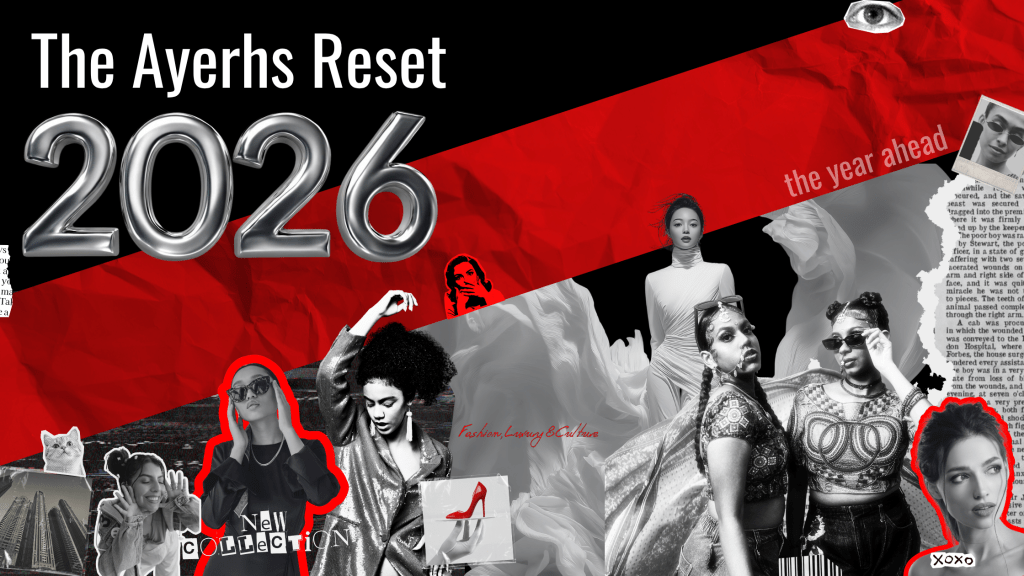
If the last few years were about chasing more — more success, more visibility, more consumption — 2026 feels like the moment people are finally saying no. Not in a rebellious, world-weary way, but in a grounded, conscious one. “Intentional living” has become the quiet manifesto of a generation that’s tired of chaos, craving connection, and searching for meaning in a hyper-automated world.
We’ve entered the era where people don’t just want to do well — they want to feel right. And that’s changing everything, from how we shop and dress to how we work, socialize, and spend our free time.
The Great Recalibration
Over the past decade, the world has moved at a dizzying pace — pandemic resets, digital overload, social media burnout, and environmental urgency have all pushed us to question what really matters. The result? A collective craving for slowness and substance.
2026 is where that craving turns into culture. From fashion to home design to career choices, intentional living has become less of a wellness buzzword and more of a life philosophy. It’s about doing less, but better. Consuming consciously. Creating routines that align with values. And, maybe most importantly, opting out of autopilot.
Gen Z, especially, has made this shift visible. They’re more informed, more skeptical, and more values-driven than any generation before them. They aren’t just asking “what does this do for me?” but also “what does this say about me?” and “what impact does this have?”
From Hustle to Harmony
The “grind” era is officially over. We’re seeing the fall of hustle culture and the rise of what can only be described as harmony culture — a way of living that prioritizes balance, boundaries, and fulfillment over constant productivity.
This is showing up everywhere. Corporate workers are leaving big cities for remote lifestyles that allow for more flexibility. Side hustles aren’t about burnout anymore — they’re about self-expression. Even online, influencers are trading “how to be that girl” aesthetics for “how to be yourself” authenticity.
In 2026, intentional living isn’t about having a picture-perfect life; it’s about having an aligned one. People are designing lives that reflect their priorities — spending time outdoors, supporting local businesses, reducing digital noise, and choosing community over competition.
It’s a movement rooted in the idea that we don’t need to constantly upgrade our lives; we need to understand them.
Conscious Consumption Is Cool Again
Let’s be honest — minimalism had a PR problem for a while. It was seen as sterile, performative, and often inaccessible. But the new wave of intentional living has redefined what conscious consumption actually looks like. It’s not about owning less; it’s about owning right.
In fashion, that means investing in pieces that last, supporting independent designers, and actually wearing what we buy. Brands are catching on, too — luxury is becoming less about labels and more about longevity. “Quiet luxury” has evolved into “slow luxury,” where craftsmanship and narrative matter more than status.
In home and lifestyle, intentionality shows up through design choices that support wellbeing — warm lighting, natural materials, multi-functional spaces. The aesthetic of 2026 is cozy minimalism: clean lines, but with texture and soul.
Even digital consumption is shifting. People are unsubscribing, muting, and curating their feeds with ruthless precision. “Digital decluttering” has become as common as spring cleaning. We want fewer inputs and more intention behind what we consume online — whether that’s news, entertainment, or fashion content.
The Rise of Micro-Moments
Intentional living isn’t just about grand gestures. It’s built on the quiet, micro-moments that define our days — the coffee ritual before work, the afternoon walk without headphones, the Sunday meal with friends.
In 2026, these small acts of slowness have become cultural markers of mindfulness. Apps, communities, and even brands are encouraging us to savor everyday life instead of rushing through it. Morning routines are now about grounding, not optimizing. Travel is about presence, not performance.
And that’s what makes intentional living so powerful — it’s accessible. You don’t need a full lifestyle overhaul; you just need awareness. You can start by asking: Is this how I actually want to live?
Work-Life Redefined
The shift toward intentionality is also changing how we view work. The 9-to-5 rigidity of the past is fading as people design careers that fit into their lives, not the other way around. Flexibility, purpose, and autonomy are the new status symbols.
In 2026, we’re seeing a boom in freelance and hybrid work — not just for freedom, but for alignment. People want to work on projects that feel meaningful, with companies that share their values. The “anti-office” mindset isn’t about rejecting structure; it’s about redefining success on personal terms.
Even corporate environments are evolving. More companies are introducing mindful meeting policies, mental health stipends, and “focus days” to encourage deep work. Intentional work culture isn’t a luxury anymore — it’s an expectation.
Community Over Clout
One of the most beautiful shifts of 2026 is the quiet return of community. After years of digital isolation and algorithmic connections, people are craving something real. Small, intentional circles are replacing large, performative networks.
This shift is visible in fashion and creative industries, where micro-communities — vintage lovers, local artisans, sustainable collectives — are thriving. People are connecting not through trends, but through shared values and aesthetics.
Online, creators are building genuine relationships with their audiences. There’s a noticeable move away from perfection-driven content toward storytelling, vulnerability, and cultural curiosity. In many ways, intentional living has brought back humanity to digital culture.
The New Metrics of Success
If success once meant a big salary, a perfect body, or a viral post, 2026 success looks quieter — and more personal. It’s about peace of mind, energy levels, and creative satisfaction.
The question “What do you do?” is slowly being replaced by “How do you live?” We’re valuing emotional intelligence over achievement, and wellbeing over validation.
This doesn’t mean ambition is dead — far from it. It means ambition is becoming more self-directed. People want to grow, but in ways that don’t cost their sanity or authenticity. They’re choosing sustainability over speed, and meaning over metrics.
The Challenges of Intentionality
Of course, intentional living isn’t always easy. It requires slowing down in a world that profits off distraction. It asks for self-awareness in a culture obsessed with comparison.
Sometimes, it means saying no to things that once defined you — jobs, people, habits, or even cities. It can feel uncomfortable, even lonely, to step back from what’s “normal.” But that’s the beauty of it: intentional living isn’t about being perfect. It’s about being present.
And while the term risks being commodified — with brands turning it into another aesthetic — its core remains deeply personal. The challenge for 2026 (and beyond) will be to keep intentionality grounded in action, not just aesthetics.
Living With Purpose in 2026
So, what does living intentionally really mean in 2026? It’s slowing down enough to notice. It’s being aware of your choices — from the clothes you buy to the energy you give to others. It’s finding joy in alignment, not excess.
It’s realizing that life doesn’t need to look big to feel full.
The cultural shift toward intentional living isn’t just about individual wellness — it’s a quiet revolution against mindless consumption, burnout, and disconnection. It’s about choosing presence over pressure, values over validation, and quality over quantity.
 Ayerhs Magazine