
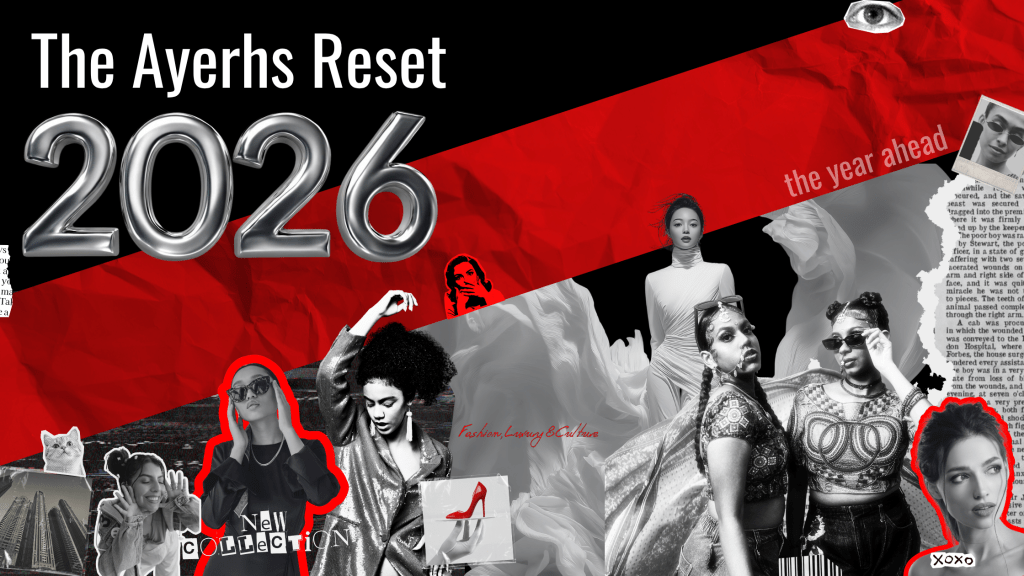
There is a slow cultural shift happening, and it feels almost quiet enough to miss if you are not paying attention. For more than a decade, our lives have been shaped by the need to be seen. Not just seen, but seen in the right light, from the right angle, doing the right thing, with the right people, wearing the right aesthetic. Image first living became a norm without anyone officially announcing it. It was simply the water we were swimming in. Curated feeds, polished personalities, strategic vulnerability, and a constant pressure to appear interesting even when life itself was not cooperating.
But something is changing in 2026. The desire to look good is no longer enough motivation to keep performing. A generation that once perfected the art of being perceived is quietly stepping away from the stage. There is fatigue in the air, and not the glamorous kind that comes after a long night out. This fatigue is deeper. It comes from always presenting, always polishing, always aspiring to a version of ourselves that does not exist in real life.
This is the slow end of image first living.
The Rise and Fall of the Image Era
It is easy to forget how quickly everything changed. Before Instagram, before TikTok, before the pressure to brand ourselves, image was a part of life but not the entire thing. Then suddenly, authenticity became a performance category. Entire personalities were built around aesthetics. Even the most mundane decisions from drinking iced coffee to buying a lamp became branding opportunities.
The image era was not all bad. It gave people creative expression. It gave communities a way to find each other. It gave shy, introverted kids a chance to build their own worlds. But like every cultural wave, it reached a point where the performance started to feel heavier than the joy it once brought.
Gen Z especially mastered image as a language. We knew how to create a vibe. We understood how to compress our entire identity into a seven second clip. We were good at it. Too good. And when you get too good at something unnatural, burnout is almost guaranteed.
By 2024 and 2025, the cracks were showing. People stopped posting as much. Feeds went quiet. More photos stayed in camera rolls than ever. Influencers talked about disappearing. The softness of behind the scenes moments started to feel more comforting than any polished front facing one.
The image era did not end abruptly. It simply thinned out until people no longer felt the need to feed it.
The Exhaustion Behind the Aesthetic
The truth is simple. Living image first is exhausting because it forces you to evaluate your life in real time. Not by how it feels, but by how it looks.
It teaches you to hold a camera before you hold a memory. It makes you edit moments before you experience them. It turns your existence into content, even when you are not trying to be a content creator. You begin to see your life as an outsider, which might be the strangest psychological trap of our time.
This exhaustion is not dramatic. It is quiet. It hits you when you ask yourself if posting something is worth the effort. It hits you when you realize you do not remember a trip except for the photos. It hits you when you meet friends and worry about whether the lighting will ruin a picture. It hits you when you compare your real life to your own online version.
That kind of fatigue is not sustainable. Eventually people started craving something that felt more solid. Something that did not require constant performance. Something that did not beg for likes or validation or public proof of existence.
People started craving a life that felt rather than looked good.
The New Shift: Feeling First Living
2026 is shaping up to be the year of feeling first living. A slow, grounded, intentional shift where people are choosing experience over optics. It is not about rejecting aesthetics completely. It is about refusing to let aesthetics dictate every decision.
Feeling first living looks like:
Choosing comfort over what photographs well
Choosing friendships that feel nourishing instead of impressive
Choosing hobbies that bring joy instead of social relevance
Choosing activities even if they are unpostable
Choosing privacy over performance
Choosing presence over documentation
This shift is subtle but powerful. People want softer mornings, fuller conversations, longer pauses, real rest, and unfiltered joy. They want the kind of life that lives in memory, not just in the highlights section.
It is not that people have stopped caring about beauty. Beauty is still a part of us. But the obsession with spectacle is fading. Instead, people want a kind of beauty that feels lived in. A kind of beauty you do not need to prove.
Why Gen Z Is Leading This Shift
It might seem ironic that the generation known for hyper visibility is now leading the retreat from the image. But Gen Z lived through the extreme peak of online identity. We know what it feels like to construct a digital self from scratch. We know the pressure of maintaining that self. And now we know how hollow it can feel when your online life looks better than your real one.
We also grew up with mental health awareness becoming mainstream. We learned the language of burnout early. We diagnosed our anxiety before most of us even had salaries. We understand the difference between being seen and being understood.
Gen Z is stepping back because we finally understand the cost. Not financial, but emotional. The more your identity relies on being perceived, the easier it is to lose yourself.
So instead of asking what looks good, people are beginning to ask what feels right.
The Decline of Performance Living
Performance was never meant to be a lifestyle. It was meant to be an occasional act. But somehow we started performing daily. We became our own PR teams. Every decision had to pass through an imaginary audience.
The decline of performance living is showing up everywhere.
Less posting
More private accounts
More Finstas
Shorter social media sessions
More journaling
More solo dates
More friendships with no online presence
More unedited photos
More unapologetic choices
It feels like a rebellion, but not the loud kind. It is a rebellion rooted in self protection. In wanting to live without spectators. In accepting that a quiet life is not a failure but a privilege.
Relearning How to Be Unseen
Most people do not realize this, but it takes practice to live without performing. When you stop caring about how you appear, the world feels different. You notice details again. You pay attention to your environment. You enjoy small pleasures without framing them. You start doing things for yourself, truly for yourself.
Relearning how to be unseen is a kind of liberation. It removes the pressure that kept your shoulders tight for years. It removes the need to justify your choices. It removes the heaviness that came with constant documentation.
Living unseen does not mean disappearing. It means being present without the pressure to narrate everything.
The Return of Real Life
People are returning to things that offer depth rather than spectacle. Long walks with no phone. Slow hobbies. Real conversations. Offline weekends. Dinner tables with no proof. The mundane is becoming comforting again.
This is not a rejection of the digital world. It is a recalibration. It is an understanding that life happens best when it is not always interrupted.
For years, we prioritized images because they felt like control. But now people are choosing chaos and imperfection. Choosing real emotions. Choosing to be where they are instead of thinking about how it looks from the outside.
Real life does not always look good. But it feels good. And that is what people are returning to.
What Comes After Image First Living
If the last decade was about visibility, the next might be about sincerity. If the last decade was about branding, the next might be about belonging. If the last decade was about aesthetics, the next might be about meaning.
What comes after image first living is not the absence of image. It is the balance between appearance and substance. It is the understanding that life is not a performance. It is a practice.
We are moving into an era that values depth, privacy, connection, and genuine emotion. People want less noise and more clarity. Less attention and more intention. Less visual perfection and more lived experience.
And maybe that is the real breakthrough. Not a new app, not a new trend, not a new aesthetic. Just a new way of being.
A way of living that feels good even when no one is watching.
The end of image first living is not an ending at all. It is the beginning of a more honest, grounded, and human way of moving through the world.
 Ayerhs Magazine