
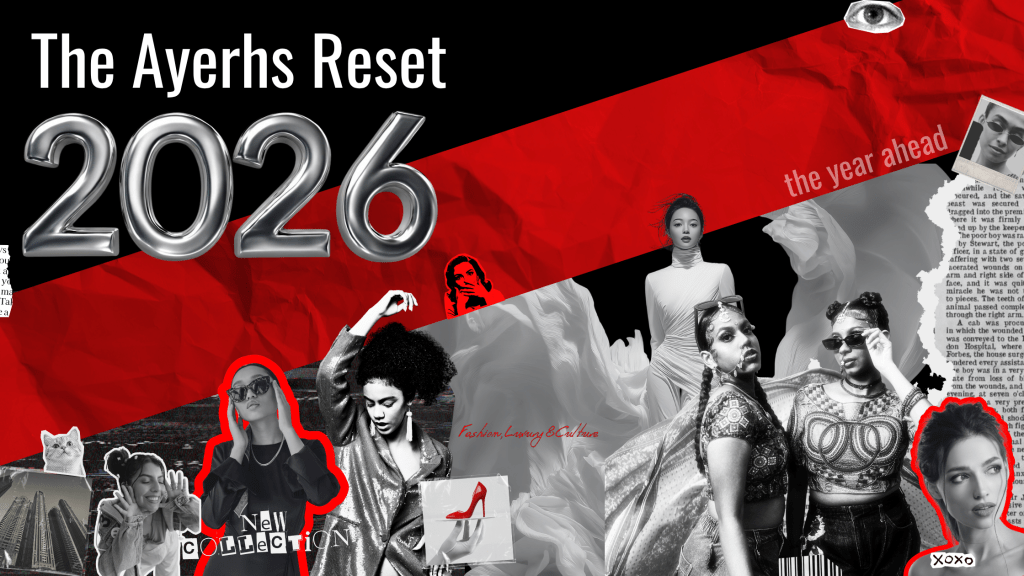
If 2025 was about quiet ambition and inner work, 2026 is shaping up to be about living your creativity — not just talking about it. Art and fashion are no longer two parallel industries; they’ve merged into a shared culture that celebrates individuality, process, and presence. From digital creators selling limited-edition drops to stylists curating gallery pop-ups, the line between career and lifestyle has blurred in the best way possible.
So what does it mean to build a lifestyle around art and fashion in 2026? It’s about designing your daily rhythm, digital identity, and personal brand to reflect your creative values — not just your job title. Whether you’re an artist, stylist, content creator, or someone who simply loves creative culture, here’s how to turn passion into a lifestyle that feels intentional, inspiring, and sustainable.
1. Blur the Line Between Work and Play
The new creative class doesn’t clock in and out. They live their work — and that’s not about burnout or hustle, but about integration. Building a lifestyle around art and fashion in 2026 starts with seeing creativity as part of your identity, not a separate task.
That means your workspace might double as your studio, your wardrobe might be part of your personal archive, and your Instagram grid might double as your portfolio. The modern creative doesn’t just make things; they curate their life as an extension of their art.
For example, think of how many fashion designers now document their creative process online — not just the polished runway show. They post sketches, workspace snippets, playlists, and moodboards, allowing audiences to see how life feeds the work. The same goes for artists showcasing studio rituals, outfit details, or café sketches. It’s less about perfection, more about personality.
To blur the line successfully, ask yourself:
- What parts of my lifestyle reflect my creative identity?
- How can I share my process without overperforming?
- Where does my work end and my self-expression begin — and do I want a clear boundary at all?
The trick is to make your creativity visible, but still real.
2. Build a Visual Identity That Feels True
In the 2026 creative economy, your visual identity is your calling card. But Gen Z and Gen Alpha have made it clear: branding doesn’t mean being fake or overly curated anymore. The aesthetic of 2026 is authentic coherence — you don’t need to look perfect, but your visual world should make sense.
This could mean a consistent color palette across your posts, a signature editing style, or even a recognizable tone in how you communicate. It’s less about being trendy and more about being intentional. The best visual identities feel lived-in, not strategized.
Take cues from multidisciplinary creators like designers who also paint, or photographers who double as stylists. Their online worlds aren’t about selling a single product — they’re showing a point of view. That’s what audiences connect to in 2026.
If you’re building your creative brand, think of your visual identity as a personal language:
- What colors, textures, or spaces define your creative mood?
- What’s the common thread between your art, your fashion, and your environment?
- What do you want people to feel when they come across your work or profile?
Your identity doesn’t need to be loud; it just needs to be consistent enough to be remembered.
3. Treat Your Wardrobe as an Archive
Fashion is one of the easiest and most powerful ways to embody a creative lifestyle. In 2026, your wardrobe isn’t just about what you wear — it’s about what you say through what you wear. Every outfit is a reflection of taste, perspective, and story.
The new approach to dressing for creatives is about curation over consumption. Instead of chasing trends, people are investing in personal uniforms, vintage pieces, and handmade details that express individuality. The phrase “style as storytelling” feels more relevant than ever.
Start thinking of your wardrobe as an evolving archive of your creative journey. Mix old and new, collect statement pieces from independent designers, and build a personal aesthetic that can adapt to your growth. Some creators are even cataloguing their outfits online like digital lookbooks — treating fashion as part of their creative portfolio.
Ask yourself:
- What does my current wardrobe say about my creative perspective?
- Which pieces feel like me — not just fashionable?
- How can my clothes become a medium of self-expression, not self-promotion?
In 2026, your outfit is your first piece of content — but only if it tells the truth.
4. Create a Routine That Feeds Creativity
You can’t build a lifestyle around art and fashion without designing your days around creative nourishment. 2026 is seeing a shift away from chaotic “grind” culture toward routines that protect energy, attention, and inspiration.
For creatives, that means giving yourself space to absorb — not just produce. Mornings might start with journaling or sketching. Afternoons might include a gallery visit, a design podcast, or a long walk to spark new ideas. Even scrolling has become more intentional — saving reference images, analyzing color stories, or studying styling techniques instead of mindlessly consuming.
The most successful creatives in 2026 don’t just make things — they curate inputs. The more intentional you are about what you consume, the more original your output becomes.
Some ideas:
- Dedicate one day a week to cultural immersion — gallery hopping, film screenings, or local markets.
- Keep a physical or digital inspiration folder that evolves monthly.
- Set creative “office hours” where you ideate, not just execute.
Creativity thrives on rhythm. The key is to make your lifestyle supportive, not suffocating.
5. Build Community, Not Just an Audience
If the 2010s were about “followers,” and the early 2020s were about “personal brands,” then 2026 is about community ecosystems. People are craving creative belonging — spaces where collaboration feels organic and inspiration flows both ways.
Building a lifestyle around art and fashion means surrounding yourself with others who live and breathe creative energy too. Think local art collectives, fashion swaps, or digital co-working groups for independent creators. These connections open doors, but they also keep you grounded.
Platforms like Discord, Geneva, and Substack are becoming mini hubs for niche communities — from slow fashion enthusiasts to digital artists experimenting with AI tools. The new goal isn’t virality; it’s connection.
To cultivate this kind of network:
- Support other creators’ work publicly and privately.
- Collaborate across disciplines — a fashion designer with a musician, an artist with a photographer.
- Attend physical events when possible — pop-ups, exhibitions, or talks — to root your digital identity in real-world context.
In 2026, the future of art and fashion belongs to those who can build culture together.
6. Diversify Your Creative Income
Living creatively doesn’t mean struggling financially. In fact, the new creative professionals of 2026 are multi-hyphenates who balance passion with practicality. The smartest ones build ecosystems of income, not a single source.
A digital artist might sell prints, teach online workshops, and take on brand collaborations. A fashion creative might run a Depop shop, consult on styling, and create digital content. The goal is to align your income streams with your creative identity so that everything feeds the same narrative.
If you’re just starting out, experiment with monetization in a way that feels aligned — not forced.
- What would people genuinely pay you for that still excites you?
- How can you balance passion projects with commercial ones?
- Can you create value that still feels like art?
The new creative professional isn’t a sellout — they’re strategic.
7. Make the Digital Space Feel Human
In an AI-saturated creative landscape, the most valuable thing you can offer is your humanity. 2026’s digital culture prizes creators who feel real — who write like they talk, who share imperfect drafts, who aren’t afraid of silence between posts.
Authenticity has become a career skill. The more real your digital presence feels, the more people will trust your creative world. You don’t need to share everything — just enough to feel like there’s a person behind the profile.
Building a lifestyle around art and fashion doesn’t mean broadcasting your life 24/7. It means crafting an ecosystem — online and offline — that expresses your values, passions, and point of view in sync.
The Bottom Line
Building a lifestyle around art and fashion in 2026 isn’t about chasing trends or aesthetics. It’s about living with intention — where what you wear, what you create, and how you connect all stem from the same core identity.
You don’t need to live in a loft or have a gallery show to live creatively. You just need curiosity, consistency, and courage to merge who you are with what you do. Because in 2026, the most stylish thing about you won’t be your wardrobe — it’ll be your way of living.
 Ayerhs Magazine