
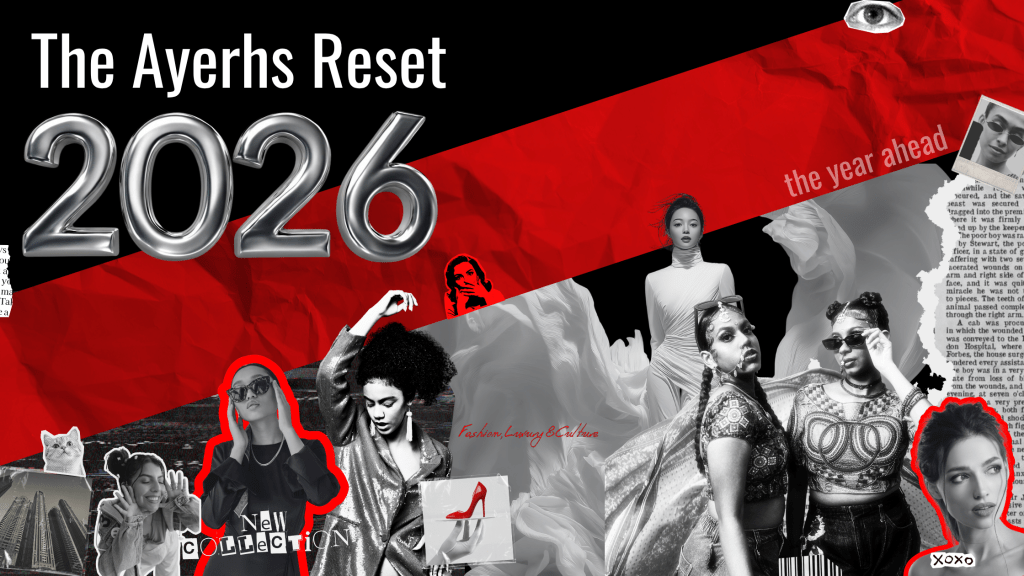
Fashion has always been about expression, identity, culture, and aspiration. But in 2026, it feels like something deeper is shifting. The conversation is no longer only about what looks good. It is about what feels right. We are living in a moment where clothes carry emotional weight, social meaning, and personal boundaries in ways that feel different from even a few years ago. Trends still exist, but the energy has changed. The focus is less on impressing others and more on understanding ourselves.
This shift did not happen overnight. It came from a mix of cultural fatigue, digital overwhelm, economic stress, and a growing desire for authenticity. The result is a fashion landscape that is less performative, more grounded, and more aware of how clothes impact mental health, identity, and everyday life. Here is what fashion feels like now.
Fashion Feels Softer and More Honest
One of the biggest changes is the emotional tone of fashion. Consumers are rejecting the pressure to perform through their clothes. The obsession with being the best dressed in every room is fading. Instead, people want clothes that match their actual lives.
Soft dressing is trending, but not in the old minimalist sense. It is about comfort that does not hide personality. People want clothes that let them breathe, both physically and mentally. They want textures that feel calming, silhouettes that allow ease, and colors that do not demand attention but still show intention.
The rise of quiet layers, relaxed tailoring, soft knits, and lived in fabrics shows this shift. TikTok might hype the next viral look, but in real life, people are building wardrobes around emotional comfort. They are buying pieces that feel safe and stable in a world that constantly feels unstable.
Fashion Feels Intimate Again
We have moved away from the hyper public era of fashion. The last decade pushed personal style into the spotlight. Outfit grids, endless photo dumps, and the need to constantly display your aesthetic became normal. But by 2026, people are keeping more of their style to themselves.
Getting dressed feels intimate again. People are choosing clothes based on how their day feels, not how it will look online. Mirror selfies are not disappearing, but there is less pressure to turn every outfit into content. The relationship between person and clothing is becoming private and intuitive.
This intimacy is also reshaping how people shop. Instead of copying influencers or chase trends at full speed, many are choosing pieces that reflect their inner world. Micro wardrobes have grown in popularity. These are not capsule wardrobes built for efficiency. They are smaller, more personal collections built around emotional connection and self knowledge.
Fashion Feels Slower, Even When Trends Move Fast
There is a strange duality in 2026. Trends move faster than ever, driven by AI generated aesthetics and hyper targeting. But the way people interact with fashion is slower.
Gen Z and Gen Alpha understand trends as entertainment, not identity. You can like a trend without needing to adopt it. You can scroll through a hundred aesthetics in a single day and not feel pressured to choose one. The trend cycle is loud, but personal style is quiet.
This separation between consumption and identity is healthy. It allows people to enjoy fashion without losing themselves in it. They are curating wardrobes at a slower, more thoughtful pace while watching trends speed by like background noise.
It also explains why brands focusing on timeless design and high quality basics are thriving. Consumers want a core wardrobe that stays steady even when the cultural weather changes.
Fashion Feels More Emotional and Purpose Driven
Fashion in 2026 carries emotional purpose. People want clothes that help them feel grounded, confident, balanced, or inspired. Shopping is becoming an emotional decision rather than a performative one.
Many buyers now ask questions like:
What emotion does this piece bring me?
Does this feel like who I am becoming?
Will I still feel connected to it a year from now?
That emotional shift has changed the brands people gravitate toward. Labels that communicate values with clarity are winning. Sustainability still matters, but it is no longer used as a buzzword. Consumers want transparency. They want a brand story that feels human, not corporate.
At the same time, people are buying fewer pieces. The cost of living is a factor, but so is emotional clarity. For many, buying less is a way to protect their mental space. Fewer decisions mean less noise.
Fashion Feels Like Identity Without the Pressure
Identity used to be central to fashion. Your clothes were the fastest way to signal who you were or who you wanted to be. But in 2026, people are freeing themselves from that pressure.
Style is becoming fluid and seasonal, not fixed. The idea of having one signature look is fading. People now treat style like a palette they can remix depending on their mood, environment, or phase of life.
This flexibility is especially clear in the rise of mood dressing. People dress based on emotional energy levels. They choose clothes that match:
low social battery
creative surges
soft days
high drive days
rest days
It is a more humane way of approaching fashion. Instead of using clothes to impress, people use them to regulate. Clothes become a tool for self management rather than self branding.
Fashion Feels Connected to Real Life Again
One thing that defined the early 2020s was aesthetic culture. Everything was a vibe or a micro trend. But those aesthetics often felt disconnected from real life. They looked great in moodboards but did not make sense in daily routines.
By 2026, everyday practicality is back at the center. People want clothes that work for hybrid work schedules, unpredictable weather, commute culture, and the messiness of daily life.
This is why utility wear, modular design, and smart basics are becoming essentials. People want pockets, layers, adjustable lengths, and fabrics that adapt to daily movement.
Fashion is no longer fantasy first. It is reality first. But that does not mean it is boring. It means clothes are merging beauty with utility in a way that feels mature and grounded.
Fashion Feels Less About Looking Perfect
Perfection culture is losing its grip. The glossy perfection that dominated Instagram for so long feels outdated. Gen Z and Gen Alpha are drawn to clothes that have character, irregularity, and personality.
Wrinkles, wear, texture, and softness are part of the charm. The obsession with looking polished at all times is fading. People are more forgiving of themselves, and that honesty is showing up in fashion.
The rise of undone hair, relaxed fits, scuffed shoes, and soft silhouettes reflects a softer cultural mindset. People want to feel like themselves, not a curated version of themselves.
Fashion Feels Like Something You Experience, Not Perform
The biggest shift in 2026 is that fashion is becoming experiential again. It is not just about appearance. It is about emotional experience.
What does a fabric make you feel?
How does a silhouette change your posture or confidence?
Does an outfit make your day feel lighter or heavier?
These questions matter more now. Style is becoming a sensory experience. People care about touch, movement, ease, and emotional resonance.
This is also why the resale market, thrift culture, and vintage shopping continue to grow. These habits make fashion feel like a treasure hunt, not a task. Clothes with history feel more alive.
Fashion Feels More Human
Underneath everything, the biggest shift is that fashion feels more human. It reflects a generation that is tired of pressure but still cares deeply about expression. It reflects a culture learning to balance individuality with community. It reflects people who want style to support their lives, not dominate them.
Fashion in 2026 is not louder or quieter. It is more conscious. It is more present. It is more connected to how people actually live and feel.
It is not just about how clothes look anymore.
It is about how they ground you, soften you, strengthen you, and help you move through the world.
Fashion feels different now.
But in many ways, it finally feels real.
 Ayerhs Magazine