
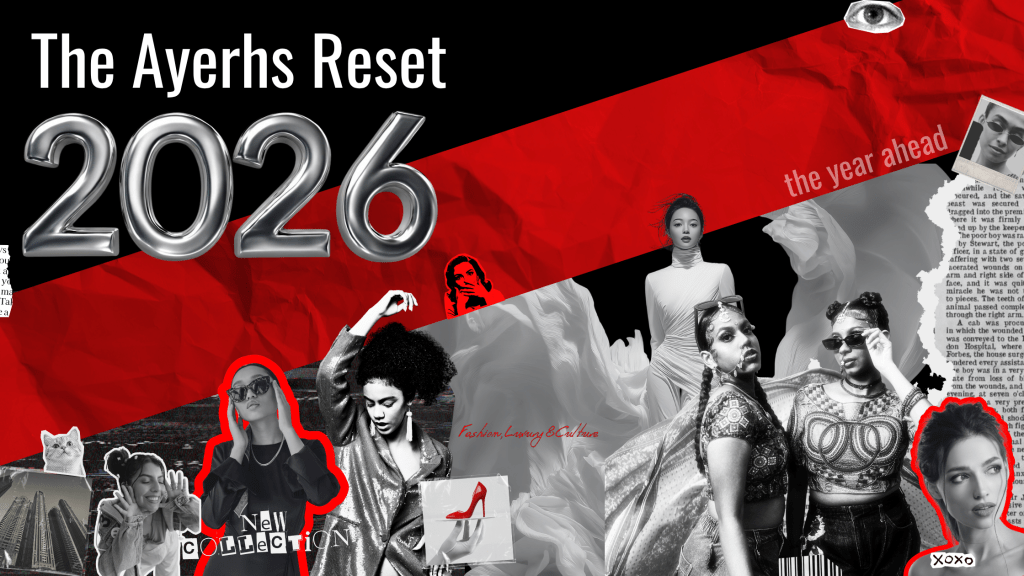
This is the rise of the Soft Luxury Movement, a global shift that’s redefining how wealth, taste, and aspiration are expressed — especially through an Asian lens that’s both rooted in tradition and tuned to the quiet power of modern minimalism.
The world’s most influential consumers — from Seoul to Singapore, Tokyo to Mumbai — are shaping this evolution not by rejecting luxury, but by reinterpreting it. Think old-money elegance with a Gen Z sensibility: less flash, more feeling.
The Origins of “Soft Luxury”
To understand soft luxury, you have to start with what came before. In the 2010s, luxury was loud — all about logos, limited editions, and influencer hauls. By the early 2020s, that maximalist energy began to fade. The pandemic, sustainability movements, and the quiet luxury era (made viral by shows like Succession) turned attention toward restraint. But 2026’s “soft luxury” takes it further.
Where quiet luxury was minimalist and elitist — sometimes cold, sometimes exclusive — soft luxury adds emotion, craftsmanship, and cultural depth. It’s luxury that feels personal, not performative.
The phrase has its roots in Asia’s emerging creative economies, particularly South Korea and Japan, where craftsmanship, subtlety, and sentiment have long been tied to value. Brands like AURALEE, The Row, Jil Sander, and Lemaire set the aesthetic tone, but it’s Asian brands like Andersson Bell, Toga Archives, and Low Classic that have translated it into lifestyle.
Soft luxury isn’t about wealth as a spectacle — it’s about the intelligence behind taste. It’s not what you can afford; it’s what you choose to keep.
The Asian Influence: Craft, Calm, and Cultural Codes
Asia has become the cultural engine of soft luxury. From the tactile minimalism of Japan’s design heritage to the subtle status markers of South Korea’s fashion scene, the region is shifting global perceptions of what “luxury” means.
In Japan, the philosophy of shibui — beauty in simplicity — has long guided design, from ceramics to couture. The idea that luxury lies in quiet refinement rather than overt display mirrors the global turn toward understatements. Similarly, wabi-sabi teaches that imperfection, when embraced with grace, becomes its own kind of luxury — a lesson today’s digital generation seems to crave in an era of algorithmic perfection.
Meanwhile, South Korea has cultivated a new kind of aspirational minimalism, fueled by creative collectives and lifestyle-driven brands that merge fashion, design, and wellness. Korean “old money” style — linen shirts, silk blouses, unbranded handbags, tonal makeup — has gone viral across TikTok, not because it’s flashy, but because it feels real.
In China, the next-gen luxury consumer — born post-2000 — is equally redefining sophistication. They’re gravitating toward domestic designers who prioritize innovation, sustainability, and individuality, blending traditional motifs with futuristic tailoring. Think Icicle, Uma Wang, or Shushu/Tong.
Soft luxury, in this sense, is Asia’s answer to Western quiet luxury — one that brings cultural context, emotional richness, and craftsmanship back into focus.
The Old Money Revival: Taste as a Currency
2026’s fascination with “old money” style isn’t really about inheritance — it’s about intentionality. Old money, as a concept, has evolved into an aesthetic language of restraint. The “new rich” may have the same access, but soft luxury is about how you use it.
In this world, quality trumps quantity, and experience replaces excess. The old-money revival celebrates generational pieces, timeless materials, and quiet confidence. It’s not about what’s trending on Farfetch — it’s about what will still look relevant in a decade.
You see this everywhere from Bangkok’s slow-fashion ateliers to Hong Kong’s new-age luxury galleries. The younger generation of collectors, stylists, and designers are channeling an old-world appreciation for detail and emotional longevity.
The twist? Gen Z has turned “old money” into something inclusive — not about privilege, but about preference. To them, having taste isn’t about where you come from; it’s about what you curate.
The Emotional Core of Soft Luxury
Soft luxury is about how something makes you feel. That could mean a cashmere shirt that feels like a second skin, a ceramic mug hand-thrown by a local artist, or a scent that reminds you of home.
This new movement prioritizes emotional value over monetary value. The appeal lies in touch, texture, and time — things that slow you down, connect you to your senses, and remind you of craftsmanship.
A silk scarf from a boutique in Kyoto, handmade jewelry from an emerging Mumbai designer, a hand-dyed linen set from a Seoul label — these are more than items. They’re small, personal luxuries that make daily life feel more considered.
This emotional turn in luxury is a generational shift, too. Gen Z doesn’t want to own symbols of status — they want to feel aligned with their choices. The question isn’t “Is it expensive?” but “Does it feel like me?”
The Rise of Lifestyle Over Labels
Soft luxury extends beyond fashion — it’s an entire lifestyle. It’s the way your space looks, the music you play, the materials you touch, even the pace you live by.
In 2026, this lifestyle has found its rhythm in hybrid living: digital creators who work from home but invest in elevated basics, entrepreneurs who curate small-batch homeware lines, or collectors who mix contemporary art with traditional textiles.
Social media has caught up to this shift. TikTok aesthetics like “soft wealth,” “Asian minimalism,” and “calm living” aren’t just trends — they’re visual diaries of how people want to exist: serene, grounded, intentional.
Soft luxury homes are filled with warm neutrals, low lighting, linen bedding, books instead of screens, and artisanal details. The wardrobe? It’s full of “quiet statement” pieces — timeless silhouettes, sensual fabrics, and muted tones that speak volumes without saying a word.
Slow Fashion Meets Soulful Living
In many ways, the soft luxury movement is a bridge between sustainability and sensuality. The slow fashion wave taught us to consume less and choose better; soft luxury teaches us to feel better about what we choose.
Luxury consumers in 2026 are looking for ethical craftsmanship, yes, but also emotional satisfaction. A handmade bag that takes three months to make feels more luxurious not only because it’s rare — but because it carries intention.
This is why brands that center around craft, emotion, and origin — like Song for the Mute, Khait, and Studio Nicholson — are resonating more than ever. They balance purity of design with warmth, proving that luxury can be both modern and human.
In Asia, this sentiment is deeply rooted. The appreciation for craft over commerce — from India’s handlooms to Japan’s artisanal denim — aligns perfectly with the soft luxury mindset. It’s about honoring process as much as product.
Digital Softness: Reframing Online Luxury
Interestingly, the soft luxury movement isn’t anti-digital — it’s just redefining how luxury shows up online. Instead of high-gloss campaigns, 2026’s digital luxury feels intimate: soft lighting, real textures, storytelling over selling.
Social media creators now lean into slow, ASMR-style content — showing the feel of a product rather than just its look. Fashion influencers are styling fewer pieces, repeating items with intention, and celebrating craftsmanship. Even digital fashion is becoming tactile, using hyper-real textures to simulate touch.
Brands are also adapting. Expect fewer product drops and more immersive storytelling — like behind-the-scenes ateliers, artist collaborations, or digital exhibitions that show the emotion behind each creation.
A Softer Definition of Success
Ultimately, soft luxury is changing what success looks like. The new icons of luxury aren’t the loudest — they’re the most centered. They care less about being seen, and more about being understood.
In 2026, the aspiration isn’t to have a closet full of designer names — it’s to have a life that feels well-made. It’s about designing a world around you that reflects ease, grace, and emotional richness.
Luxury, in its softest form, becomes less about what you own and more about how you live.
The Bottom Line
Soft luxury in 2026 is both a rebellion and a return — a rebellion against fast, loud, disposable luxury, and a return to the slow, sensual, meaningful roots of craftsmanship and culture.
It’s old money reimagined for the digital age. It’s Asian design philosophy meeting global minimalism. It’s the feeling of a silk shirt against your skin, a hand-glazed cup in your hand, a quiet morning with no notifications.
Luxury, once about status, has become about softness — the kind that makes life feel full, beautiful, and deeply personal.
 Ayerhs Magazine