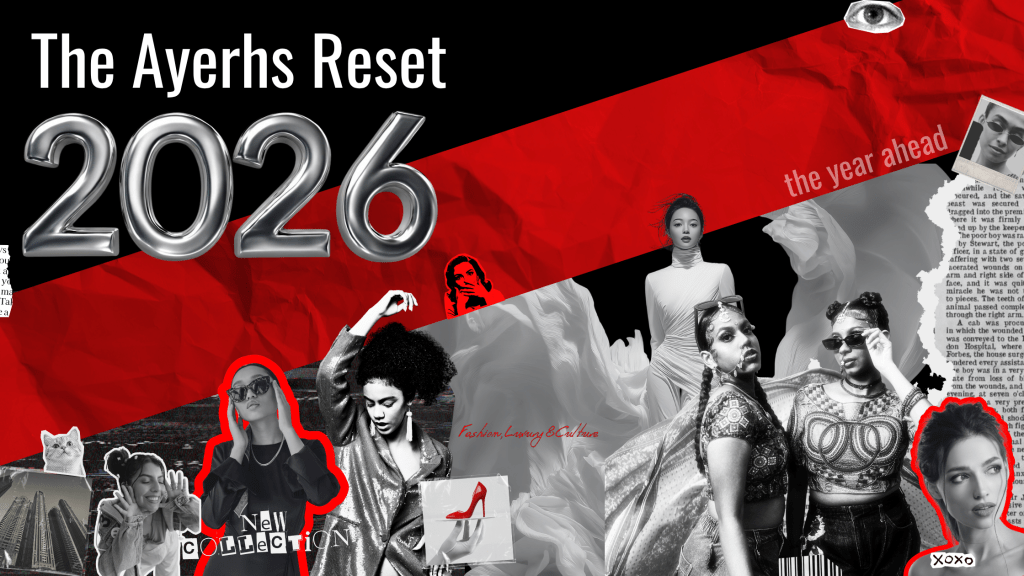
If the 2010s were about hyperconnectivity and the 2020s began with digital overload, then 2026 is the year we finally start to merge both worlds — not in a dystopian metaverse sense, but in a deeply human, hands-on one. Call it digital craft. It’s the growing intersection of technology and tangible creativity, where screens and studios, pixels and paintbrushes, coexist. And alongside it, we’re witnessing a revival of IRL culture — that craving to touch, feel, and experience things in person again.
This shift is more than aesthetic. It’s emotional. It’s philosophical. And it’s shaping how we work, dress, consume, and create.
The Return to Making Things (Even in a Digital World)
In 2026, “craft” doesn’t just mean pottery or embroidery (though those are still thriving). It’s expanded to include digital forms of making — from 3D printed textiles to AI-assisted design to creative coding that feels as handmade as a knitted sweater.
Fashion, for example, is seeing an influx of designers merging analog techniques with digital tools. Think hand-draped silhouettes rendered through 3D design software, or crochet patterns converted into generative art for virtual collections. The idea is no longer about choosing between handmade and digital — it’s about making the digital feel handmade.
Consumers, especially Gen Z and younger millennials, are drawn to this kind of tactile-tech aesthetic. They want clothes, art, and even digital experiences that have texture and authenticity. The rise of platforms celebrating “digital craftsmanship” — where artists show how they merge code and clay, pixels and pigment — reflects that hunger.
This hybrid creativity has become the modern version of DIY. Instead of “do it yourself,” it’s “design it yourself” — often using tech as an extension of one’s hands rather than a replacement for them.
IRL Is Cool Again
After years of living through screens, people want presence. Physical space feels luxurious now — the way digital space used to feel novel a decade ago.
2026 has seen the explosion of “IRL-only” communities, from fashion pop-ups and zine fairs to craft markets and open studio nights. They’re not just about what’s being sold or shown, but about the energy of being there. The vibe is slower, quieter, more intentional — a stark contrast to the infinite scroll.
For brands, this means rethinking how they engage. Instead of chasing algorithms, they’re curating moments. Instead of virtual launches, they’re investing in tactile storytelling — installations that you can walk through, materials you can touch, conversations you can actually have.
Take, for instance, the rise of “micro-galleries” — small, intimate art spaces that focus on community and local talent. Or the rebirth of concept stores that blend retail, art, and social connection in one space. In 2026, these physical experiences aren’t about exclusivity; they’re about belonging.
The new luxury? Being there.
Tech as a Tool, Not a Takeover
One of the most interesting cultural shifts happening right now is our changing relationship with technology. We’re no longer impressed just because something is digital. AI, AR, and 3D modeling are tools — and like any tool, they’re only as powerful as the person using them.
This new approach — let’s call it tech humility — is about using digital innovation in service of creative vision, not the other way around. The creators leading this shift are often the ones who are deeply skilled in both traditional and digital methods. They understand materiality, process, and emotion — and use tech to enhance, not erase, that understanding.
In fashion, digital craftsmanship might look like custom tailoring aided by AI precision. In art, it could be an NFT that evolves over time, reflecting changes in the real world. In design, it’s about creating experiences that move fluidly between on-screen and off-screen.
In short, 2026 is about mastering the digital without losing the human.
The Rise of the “Phygital” Artist
The lines between digital and physical creativity have officially blurred. Artists and designers now think in “phygital” terms — crafting experiences that live in both spaces simultaneously.
A digital artist might create a 3D-rendered piece that gets printed on sustainable fabric. A sculptor might scan their work to reimagine it in virtual reality. A fashion designer could release a physical garment alongside its digital twin for gaming or virtual fashion weeks.
What’s different in 2026 is the intention. These hybrids aren’t gimmicks anymore — they’re thoughtful explorations of how creativity moves through space and time. The digital world is no longer a replica of the real one; it’s a companion to it.
This “phygital” mindset also reflects how people live. We switch between screens and real life constantly, and we want our creative expressions to do the same. It’s not escapism; it’s integration.
From “Content” to “Craft”
In a culture obsessed with speed and quantity, the idea of “craft” feels quietly rebellious. For the past few years, digital content creation was defined by immediacy — post fast, post often, move on. But 2026 marks a turning point: people are more interested in depth than volume.
The new digital creator archetype is less “influencer,” more “digital artisan.” These are creators who take time to build something — a short film, a fashion collection, a piece of generative art — with care and skill. Their process is visible, their storytelling intentional.
And audiences are responding. People crave context. They want to know how something was made, not just see the final product. That’s why process videos, “making of” content, and behind-the-scenes storytelling are now more compelling than polished campaigns.
In 2026, craftsmanship has become a form of credibility.
Why It Matters
This isn’t just a creative shift — it’s cultural. After a decade of algorithms dictating taste and pace, people are reclaiming slowness and intention. Digital craft and IRL culture are two sides of the same desire: to feel grounded again.
It’s not about rejecting technology or romanticizing the past. It’s about finding balance — about realizing that creativity thrives when both the digital and the physical are in conversation.
There’s also a sustainability angle here. The emphasis on “craft” naturally slows production cycles and encourages thoughtful consumption. Whether it’s upcycled fashion, handcrafted design, or digital products that prioritize longevity over novelty, the mindset is the same: make less, but make it matter.
Looking Ahead
As we move deeper into 2026, expect to see this hybrid culture deepen. Art schools are beginning to teach digital craft as a foundational skill. Brands are hiring “phygital” curators and experiential designers. Even the concept of ownership is evolving — where having a digital file can be as meaningful as holding the object it represents.
But at its core, this movement isn’t about tech. It’s about feeling human again. It’s about the satisfaction of making something — whether it’s on a screen or in a studio — and then sharing it in a way that feels alive.
The future isn’t fully digital or entirely analog. It’s both. And 2026 is the year we stop seeing that as a contradiction and start seeing it as culture itself.
Because maybe the real innovation isn’t in the tools we use — it’s in how we use them to reconnect with ourselves, with others, and with the physical world that still grounds us.
And that’s the true beauty of digital craft and IRL culture: they remind us that even in an age of infinite pixels, the most valuable thing we can create is something real.
 Ayerhs Magazine