
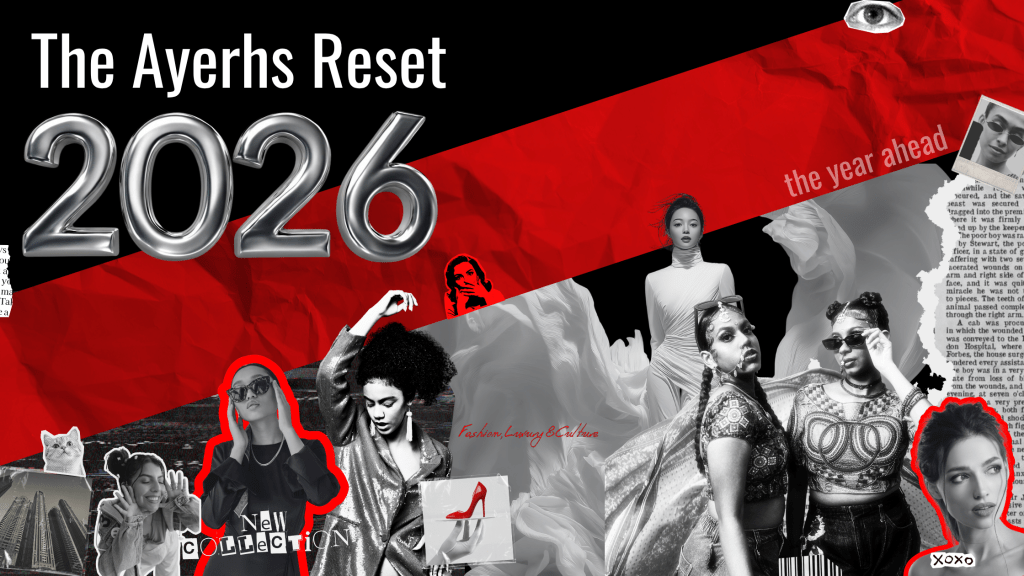
For years the internet taught us to see ourselves as the star of a story that never stopped. Every coffee run, every breakup, every late night walk had to be cinematic. Main character energy was everywhere. It was a mindset, a TikTok trend, a lifestyle. It told us to treat life like a narrative arc, complete with perfect lighting and background music.
But something has shifted. In 2026, the idea of main character energy feels less inspiring and more exhausting. People are tired of performing themselves. They are tired of living like their lives need an audience. They want something quieter, something that feels grounded and real. The era of the main character is ending, and a new kind of presence is taking its place.
This is not a rejection of confidence or self worth. It is a rejection of constant self framing. It is a return to being a person rather than a brand. And it is a sign of how deeply Gen Z and Gen Alpha are reshaping the emotional culture of the internet.
So what happened? Why did main character energy lose its grip? And what kind of mindset is rising to replace it?
Let’s get into it.
The Performance Burnout
Main character energy came with pressure. You had to live like you were always being watched. A walk had to feel poetic. Friendships needed to look cinematic. Relationships had to be part of a storyline that made sense to outsiders. Even the way people styled their outfits became content instead of self expression.
By 2026, this constant narration became emotionally draining. People started realizing they were not living their lives. They were documenting them. The pressure to make everything aesthetically meaningful was slowly wearing everyone down.
The burnout shows up everywhere. Therapy culture has shifted from encouraging self confidence to encouraging self quiet. Influencers talk about feeling overwhelmed by needing to be interesting all the time. Even casual users feel guilty if their life does not look like a plot twist or a glow up.
Main character energy thrived on performance. The new era is thriving on presence. And presence cannot happen if you are busy composing captions in your head.
The Collective Fatigue of Hyper Individualism
The old internet rewarded hyper individualism. Be unique. Stand out. Brand yourself. Build an aesthetic. Become the protagonist of your personal universe. It was fun at first, but eventually it became lonely.
Generation Z spent years being told they had to define themselves in permanent ways. Main character energy amplified that. It made identity feel like a storyline that could never change. It told people they had to be constantly exceptional.
But the cultural mood in 2026 is different. People want community again. They want connection that is not engineered for an audience. They want friendships where no one is trying to be the standout character. They want experiences that are shared instead of performed.
This shift is part of a bigger movement away from hyper individualism and toward something more collective. Mutual aid, shared living, community rituals, and group creativity are all coming back. People care less about being the main character and more about being part of something.
The hero era is fading. The ensemble era is here.
The Rise of Soft Living and Background Presence
Look at the current aesthetics that dominate 2026. Cozy, slow, soft, quiet. People want to feel like background characters in a comforting film. They want to live life in a way that is low pressure, low visibility, low performance. The vibe is less “I am the protagonist” and more “I am moving gently through my day and that is enough.”
Even the way people consume content reflects this. Long vlogs with no talking. Unedited photo dumps. Text posts that read like journals. People are embracing the idea of being a small part of a bigger world.
This is not self minimization. It is liberation. There is freedom in not needing to be interesting. There is comfort in being ordinary. Being a background character lets you actually pay attention. You get to enjoy life instead of curating it.
The rise of soft living is the counterpoint to main character energy. It is a lifestyle where you get to simply be. No spotlight, no storyline, no pressure to make your life feel like an arc.
The Influence of Emotional Realism
Main character energy relied on fantasy. It required the belief that everything in your life meant something. That timing was cosmic. That heartbreak was part of your character development. That every mistake had a cinematic payoff.
But in 2026, emotional realism is trending. People are embracing the idea that life is not a story. Things do not always make sense. Growth is not linear. Pain is not always meaningful. Sometimes things just happen.
Emotional realism teaches you to sit with what is true, not what looks good in a narrative. It pushes authenticity over aesthetic. It allows people to experience the full range of emotions without needing to turn them into content.
This shift is not dramatic, but it is powerful. When people stop trying to make everything poetic, life starts to feel more honest. It becomes easier to show up for yourself and for others. It becomes easier to actually heal.
The death of main character energy is part of a bigger movement toward emotional honesty. People want to feel things without needing those feelings to be part of a plot.
The New Focus on Plurality
One of the biggest reasons main character energy is fading is that people are finally acknowledging that no one has a singular identity. The main character mindset required a fixed sense of self. But in reality, people are plural. They change. They shift. They evolve.
Gen Z is increasingly rejecting labels that feel too tight. They are exploring fluidity in identity, career, relationships, and expression. Being the main character locked people into roles they did not always want. The new cultural mood encourages people to have many roles and to switch between them without guilt.
You can be quiet one year and loud the next. You can be ambitious one month and soft the next. You do not need to live as a single storyline. You get to be many people across a lifetime.
The main character era made identity feel like a brand. The new era makes identity feel like a landscape you are allowed to explore.
Influencers Are Dismantling Their Personas
Even influencers are abandoning the main character model. For years their job was to appear aspirational, aesthetic, structured. They were the curated protagonists of the internet.
Now many are doing the opposite. They are sharing unfiltered moments. They are showing their messy rooms. They are talking about burnout, loneliness, friendships, therapy. They are becoming more human.
Audiences no longer want perfection. They want relatability and softness. They want creators who do not feel like characters but people. Influencers who keep up the main character act are starting to feel outdated.
When the people who built their careers on being main characters start letting go of that identity, you know the culture has shifted.
The Growing Desire for Interdependence
The world feels unstable. Climate anxiety, political polarization, digital fatigue, and economic uncertainty are shaping how younger generations think about themselves.
Main character energy thrived in a world where people felt they had to rely only on themselves. But the current reality requires interdependence. People need others. People are craving shared support, shared resources, shared emotional care.
The new cultural mood recognizes that life is too heavy to carry alone. It is creating space for collaboration, mutual reliance, and community strength. Being the main character was lonely. Being part of a collective feels safer.
Even the language has shifted. People talk about their “people,” their “community,” their “circle” more than ever. The desire for interdependence is replacing the desire for individuality.
So What Comes After Main Character Energy?
If main character energy is ending, what is taking its place? The answer is not a new trend but a new way of being.
People are embracing shared character energy. They want lives that feel communal. They want friendships that are spacious and real. They want online spaces that feel warm instead of performative. They want to be present rather than impressive.
The new mindset is about living with others instead of performing above others. It is about letting go of constant self narrative and choosing to be part of something bigger.
The end of main character energy does not mean the end of ambition or confidence. It means the end of the pressure to treat life like a movie. It means learning how to show up without needing the spotlight. It means letting your life be enough even when it is simple.
In 2026, people are not trying to be characters anymore. They are trying to be human. And honestly, that might be the most refreshing plot twist of all.
 Ayerhs Magazine