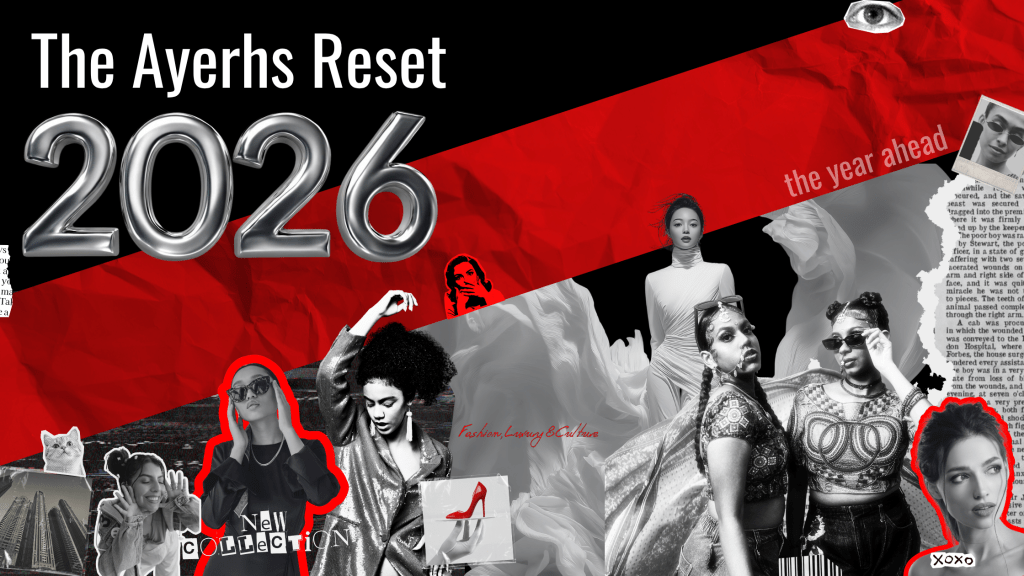
Reinvention used to be a quiet thing. You took a break, disappeared for a bit, worked on yourself, and came back with a new haircut or a new perspective. In 2026, that timeline does not exist anymore. Reinvention is now a public sport. People are reshaping their identities, careers, aesthetics, and beliefs right in front of everyone, and somehow it feels normal. The world moves fast, culture moves even faster, and Gen Z has turned personal evolution into a running narrative where every version of you counts.
Reinventing yourself in public is not just a trend. It is a response to the way technology, work, and culture have reshaped what it means to change. Reinvention no longer requires a dramatic exit. It happens in real time, while your friends, followers, or coworkers observe the plot twist. And instead of being judged for inconsistency, you are often rewarded for transparency.
Here is what reinvention really looks like in 2026, and why it is becoming the most honest form of personal growth.
Identity Is Fluid and Everyone Knows It Now
A decade ago, reinvention meant you were running from something. Today, it means you are adapting. We live in a time where identities are no longer fixed points. They are moving pieces that evolve with context, age, circumstance, and new information. Gen Z has grown up seeing people rebrand their online personas annually. They have watched creators go from beauty influencers to wellness guides to tech founders within months. Nothing is static anymore, not even the most personal parts of who you are.
The internet has normalized this fluidity. Social platforms no longer expect you to be one thing. On TikTok, people post career advice one day, a silly outfit video the next, and a confession about burnout the day after. The best creators do not cling to a single niche. They let their evolution be part of their story.
Because of this, reinvention in public feels less like a performance and more like a natural extension of how we already live online. People do not expect your 2020 self to match your 2026 self. And honestly, it would be concerning if you had not updated your worldview in six years.
The Culture Shift Toward Transparency
In 2026, authenticity is less about sharing everything and more about sharing honestly. This shift has made public reinvention feel less like a scandal and more like a refresh.
After years of curated feeds and perfection pressure, people are craving something a little more human. When someone openly states they are changing careers, resetting boundaries, or letting go of an old version of themselves, it resonates. Reinvention no longer feels like a betrayal of your past self. It feels like care for your future one.
There is also less shame in saying you do not have everything figured out. Publicly learning, publicly failing, publicly experimenting these things are no longer embarrassing. They are part of the new transparency economy where vulnerability is currency and self awareness builds credibility.
The Rise of Nonlinear Careers
Careers used to follow predictable ladders. Now they look more like tangled headphones. People jump industries, skill sets, and job structures depending on what fits the version of themselves they are becoming.
Gen Z especially refuses to stay in careers that are misaligned with their values. It is not unusual to see someone go from software engineering to fashion direction, or from social media strategy to mental health advocacy. Reinvention happens because the world demands flexibility and because people are no longer afraid to start over.
Public career shifts have also become part of the broader narrative. LinkedIn has turned into a storytelling platform, not a resume archive. Posting about career pivots, failures, sabbaticals, and restarts has become normalized and often celebrated. Reinvention feels less like a risk and more like expected evolution.
The Influence of Digital Personas
In 2026, you are not reinventing yourself once. You are reinventing across platforms. Your digital self does not have to match your physical self anymore. And that freedom has made it easier to try new versions of who you want to become.
Your Instagram feels polished. Your TikTok feels casual. Your BeReal is unfiltered. Your professional profile is aspirational. Together, these identities create a kaleidoscope of who you are in motion.
This fragmentation actually helps reinvention. You can test new aesthetics, new interests, and new narratives in different corners of your online world without committing all at once. Reinvention becomes less intimidating when you can experiment slowly.
Gen Z has learned that identity is not one thing. It is several aligned but separate things that coexist. Reinventing yourself in public simply means letting those pieces shift.
Reinvention as a Survival Skill
The pace of the world makes reinvention necessary. The economy is unstable, industries are evolving rapidly, and culture changes faster than trends can be predicted. Reinvention is not always about desire. Sometimes it is about survival.
People are learning to diversify their skill sets, build multiple income streams, cultivate creative passions, and stay adaptable. Reinvention becomes a strategy for staying relevant, confident, and fulfilled in a world that offers no guarantees.
And because everyone is doing it at the same time, reinventing in public no longer feels like starting from scratch. It feels like joining a collective movement where everyone is figuring things out live.
The Emotional Side of Changing in Public
Reinvention in public sounds empowering, but it comes with emotional challenges. There is vulnerability in saying you are no longer aligned with your past self. There is discomfort in shedding identities people were familiar with. And there is always the fear of someone asking why you changed.
But the upside is that reinvention makes you relatable. People trust those who evolve because it reflects their own internal shifts. Watching someone reshape their identity feels like permission to do the same. Reinvention becomes a shared emotional landscape rather than an isolated journey.
There is also a growing culture of compassion in 2026. People understand burnout, creative ruts, mental health dips, sudden realizations, and emotional awakenings. They see reinvention not as a crisis but as clarity.
The Return of Self Directed Growth
One of the most underrated parts of public reinvention is that it encourages self directed growth. You are not waiting for a life event to give you permission to change. You are choosing change deliberately.
Gen Z has mastered micro reinvention. Subtle shifts in energy, interests, habits, and priorities are treated with as much intention as big life pivots. Instead of the dramatic glow up narrative, there is a new story forming around consistent, thoughtful, grounded reinvention.
The rise of therapy culture, self help resources, and mental health awareness has made this even more common. People are no longer embarrassed to say they are working on their inner world. Reinvention is part of maintaining emotional well being.
Aesthetics and Self Expression Evolve Too
Reinvention is not only internal. In 2026, people are experimenting with aesthetics more freely than ever. Hair changes, wardrobe resets, new accessories, even new color palettes are normal expressions of a shift in identity.
The digital fashion space has also expanded these possibilities. With virtual try ons, augmented reality outfits, and AI generated personal styling tools, people can experiment with new looks before committing to them. Reinvention has become both creative and accessible.
Aesthetic shifts send a message that you are entering a new chapter. And in a culture that values visual storytelling, these small transformations help communicate growth before you even say a word.
Reinvention Without Apology
Maybe the most defining part of reinventing yourself in public in 2026 is that you do not have to apologize for it. Reinvention used to be met with suspicion. Now it is seen as bravery. Changing your mind used to be framed as inconsistency. Now it reads as maturity.
People understand that the world is chaotic and that humans grow with experience. Reinvention is proof that you are paying attention to your life. It means you are not stagnant. You are responsive. You are learning. You are willing to update who you are based on new information.
There is no need to justify why you are making a shift. Reinvention has become a neutral act. Sometimes even an expected one.
Where Reinvention Goes from Here
As we move deeper into the decade, public reinvention will only become more integrated into everyday life. Digital identities will expand. Career paths will continue to shift. The culture of transparency will grow stronger. People will keep exploring new versions of themselves as they adapt to a world that demands flexibility.
Reinvention will not be a big reveal. It will be an ongoing part of how we move through life. The transformation arc becomes a loop not a line.
In a world where everything is constantly in flux, the most powerful thing you can do is stay open to becoming someone new. Reinventing yourself in public is not about spectacle. It is about choosing to grow in real time, with honesty, clarity, and confidence.
It is an invitation to be seen as you evolve. And in 2026, that might be the most authentic way to live.
 Ayerhs Magazine