
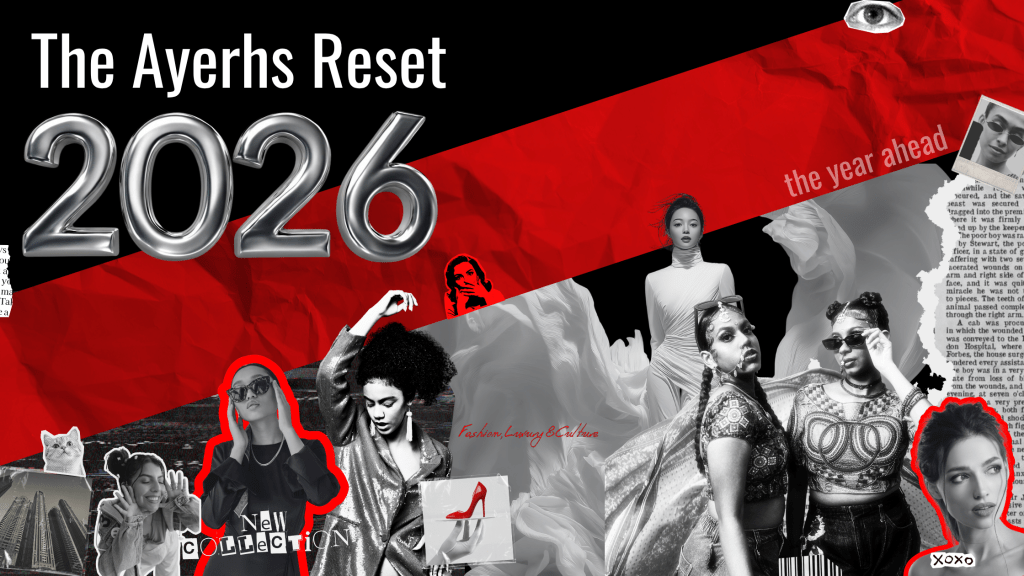
If 2025 was a slow simmer of nostalgia, sustainability, and scroll-fueled micro-trends, 2026 feels like the moment those ingredients finally meet at the stove. Next year won’t be about a single silhouette or color. It will be about how what we wear reflects what we feel, what we believe, and how we show up in a world that demands both authenticity and performance.
Here’s how fashion, culture, and emotion are set to collide in 2026 — and why that intersection will redefine how we think about style altogether.
1. Style as Emotional Shorthand
People have always used clothing to signal status, taste, or tribe. But increasingly, style is becoming emotional language. Fashion in 2026 will be about dressing for the mood you’re in, or the one you want to be in. Think of it as wearable emotional shorthand.
Designers are already leaning into pieces that carry a clear feeling: cozy textures that calm, saturated colors that energize, and unexpected shapes that spark joy. Dopamine dressing, comfort cores, and even “quiet” aesthetics are evolving into something more mindful — clothes that make you feel something real.
2. Gen Z Sets the Tempo, Not Just the Look
Gen Z isn’t just influencing fashion; they’re rewriting how it moves. Their style vocabulary is layered, ironic, and relentlessly personal — an endless remix of subcultures, decades, and internet humor.
In 2026, that energy translates into a faster but more intentional cycle. Instead of trend-chasing, Gen Z will lean toward storytelling: clothes that align with values, provoke emotion, and invite conversation. Brands that don’t speak to culture — only aesthetics — will quickly fade out.
3. Sustainability Gets Emotional
Sustainability will no longer live only in supply-chain reports. It’s becoming emotional, personal, and tangible. Consumers want to feel good about what they wear — not just ethically, but physically.
Expect to see materials that blend responsibility with sensory pleasure: buttery recycled leathers, soft bio-based knits, or cottons that age beautifully over time. The sustainable choice is becoming the most desirable one. It’s no longer about guilt; it’s about connection — to the planet, the maker, and the story behind each piece.
4. The Rise of Material Emotion
2026 is the year materials talk. Designers are exploring how fabrics can alter emotion — through touch, weight, even scent. A bag that smells faintly of earth, a cooling weave in summer suiting, or denim that fades like a memory — these tactile stories are transforming fashion into a sensory experience.
We’ll see more experimentation with mushroom leather, algae fibers, and plant-based textiles. These innovations are more than just eco-conscious; they’re emotional design tools, shaping how we feel about our clothes and ourselves.
5. Duality: The Core of the 2026 Wardrobe
Runways and real life will both reflect emotional duality. Comfort meets glamour. Structure meets fluidity. Neutrality meets maximalism. It’s not contradiction — it’s emotional honesty.
People are dressing for their multidimensional lives: confident in the day, introspective at night, playful on weekends. Expect blazers with glow-in-the-dark linings, knits that transition from loungewear to streetwear, and accessories that double as tech or therapy tools. Fashion is evolving into a companion for shifting moods.
6. Community and Ritual Make Fashion Feel Again
As digital trends speed up, people are craving slowness — rituals that give clothes meaning again. Swapping events, repair workshops, and curated resale markets are becoming new social spaces.
In 2026, “wearing” will be only part of fashion’s value. “Sharing” will be just as important — sharing stories, garments, and experiences. The resale economy isn’t just about saving money; it’s about emotional storytelling. A pre-loved jacket carries memories, not just fabric.
For brands, the next move is to build community touchpoints: small repair stations, personalization services, or storytelling tags that trace a garment’s journey. These experiences turn fashion into connection.
7. Politics and Culture, But Make It Subtle
Fashion will continue to be political — just quieter and more layered. Instead of slogans, we’ll see symbolism: embroidery inspired by diaspora crafts, color palettes tied to social causes, or collaborations that fund cultural projects.
Younger audiences are fluent in semiotics. They don’t need overt branding to understand meaning. They look for clues — thoughtful references that show a designer gets it. In 2026, that subtlety will separate performative from powerful.
8. Commerce Meets Emotion
Retail will evolve from transactional to emotional. Pop-ups will feel like mood rooms; digital stores will let shoppers filter by “energy” or “intent.” Marketing won’t just show how a product looks — it will describe how it feels.
Try-before-you-buy programs, clothing rentals, and emotional storytelling will become the norm. The focus is on helping people choose intentionally, not impulsively. When fashion makes people feel aligned — with their identity, their environment, or their values — they buy differently.
9. For Creators, Brands, and Editors: The New Equation
If you work in fashion — designing, writing, curating, or selling — 2026 demands three layers of thinking:
Tactile. What does the garment feel like? What sensory response does it evoke?
Narrative. What emotional story does it carry? Why should someone care?
Communal. Who validates and amplifies that story? How does it live in culture?
The intersection of those three layers is where relevance, resonance, and longevity meet.
10. The Takeaway: Fashion That Feels
Fashion is no longer only about image. It’s about emotion in motion. It’s the sweater you reach for when you’re anxious, the jacket that makes you feel unstoppable, or the vintage piece that connects you to someone you’ve never met.
In 2026, clothes will be less about trends and more about truth — emotional, cultural, and tactile truth. The pieces that resonate will be the ones that make you feel seen, grounded, and connected.
Fashion will finally catch up to what people have known all along: what you wear is not just how you look — it’s how you feel, how you live, and how you love.
 Ayerhs Magazine