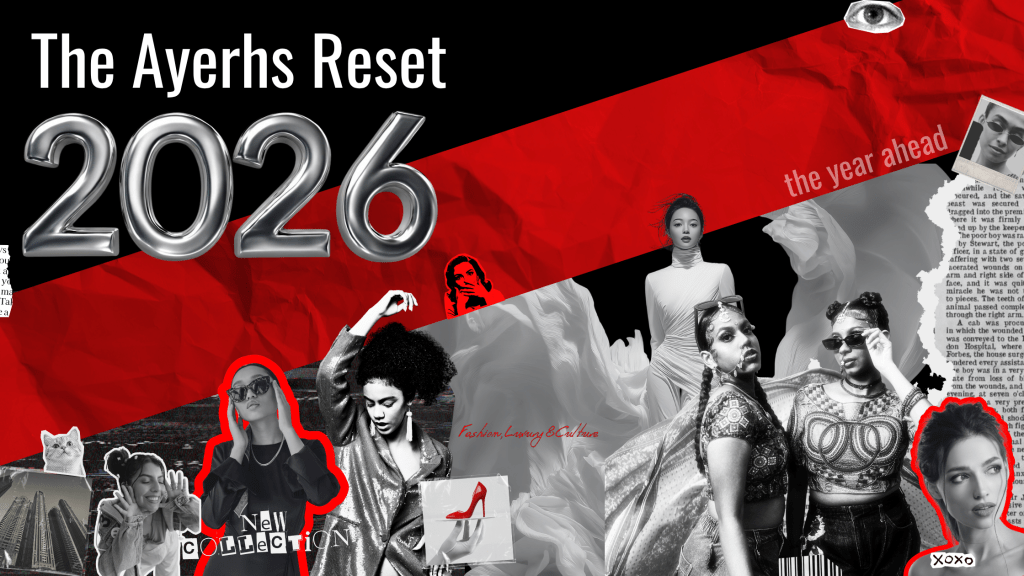
There’s something quietly powerful about the way 2026 is shaping up. After years of high-speed trends, overconsumption, and constant online stimulation, a cultural slowdown is happening — not out of laziness or lack of ambition, but out of intention. This year, it’s not about having more, doing more, or chasing every new drop. It’s about being deliberate. About choosing things that last, decisions that matter, and experiences that actually mean something.
“Slower, smarter choices” might sound like just another lifestyle buzzphrase, but it’s more than that — it’s a mindset shift that’s bleeding into everything from fashion and technology to how we spend our time and who we spend it with. We’re learning that speed isn’t the same as success, and constant motion doesn’t equal progress.
From Fast to Intentional
In the early 2020s, the world was obsessed with “more.” More clothes, more productivity hacks, more digital presence. But as the dust of constant acceleration settles, Gen Z — now the most influential generation in shaping global culture — is saying something different: slow down.
There’s a growing awareness that the constant cycle of trends and updates is unsustainable, both emotionally and environmentally. Fashion, for example, has long been a symbol of pace — micro-trends popping up every week, with brands churning out new collections faster than you can scroll. But in 2026, the energy has shifted. The new cool is about restraint.
People are choosing quality over quantity. They’re buying from brands that align with their values rather than the loudest marketing. They’re repeating outfits unapologetically, opting for modular wardrobes that adapt to different moods and settings. This isn’t about minimalism in the sterile sense; it’s about meaning. Clothes, objects, and even digital spaces are being treated as extensions of self — and that self doesn’t want to be cluttered anymore.
The Slowdown of Fashion
Fashion’s transformation is one of the clearest reflections of this “slower, smarter” era. The idea of “quiet luxury” that started trending a few years ago has evolved into something more thoughtful — less about neutral aesthetics and more about long-term wearability.
Designers are focusing on craftsmanship again. Collections are smaller but more personal, with pieces designed to age well rather than expire with a trend cycle. Rewearing has become a point of pride — think of how TikTok creators now post “ways I’ve restyled my favorite coat” instead of “new Zara haul.”
Even luxury houses are tuning into this mindset. Capsule collections, made-to-order systems, and repair programs are quietly replacing the performative pace of monthly drops. There’s a shift from “what’s next?” to “what’s lasting?” — a move that feels like a collective exhale after years of fast fashion fatigue.
Smarter, Not Just Slower
But slowing down doesn’t mean stepping back. In fact, it’s about being sharper — making decisions with more clarity, more awareness, and less noise.
Technology is one area where this balance is becoming clear. Instead of downloading every new app or joining every new social platform, people are curating their digital lives the same way they curate their wardrobes. “Digital minimalism” is more than just deleting old screenshots — it’s a growing awareness of where your attention goes.
Many Gen Z users are quietly reducing their screen time, turning off push notifications, or even stepping back from social media altogether to regain control over their time and thoughts. There’s an emphasis on smarter engagement — using technology as a tool, not a trap.
This smarter approach extends to how we consume media and culture, too. Long-form podcasts, newsletters, and meaningful conversations are making a comeback, signaling that people crave depth again. We’ve realized that scrolling endlessly doesn’t necessarily make us more informed — it just makes us more exhausted.
The Emotional Shift Behind It All
At the heart of this movement is emotion. People are tired — not in a burnt-out way, but in a deeply reflective way. There’s an emotional intelligence driving this cultural pivot. We’re recognizing that “busy” isn’t a badge of honor anymore. Peace, presence, and patience are the new flex.
2026 is shaping up to be the year where emotional awareness becomes a lifestyle principle. We’re not only choosing what looks good or feels good — we’re choosing what is good for us. It’s seen in the way we approach relationships, work, and self-care.
Instead of chasing hustle culture, many are pursuing balance culture — setting boundaries, prioritizing rest, and viewing personal growth as nonlinear. Therapy, mindfulness, and intentional solitude aren’t niche anymore; they’re normalized, even aspirational. Slower, smarter choices are becoming the foundation for emotional sustainability — a kind of inner calm that modern life has long ignored.
Sustainability, but Personal
Of course, sustainability continues to be a major influence in 2026 — but it’s evolving beyond just “eco-friendly” materials or guilt-based messaging. It’s becoming personal.
People are realizing that sustainability isn’t just about saving the planet; it’s about sustaining yourself, your resources, and your mindset. Making smarter choices isn’t limited to recycling or reusing — it’s about buying from brands that respect their workers, investing in experiences instead of objects, and thinking about how your choices ripple outwards.
This personal sustainability looks different for everyone. For some, it’s wearing the same jeans for years. For others, it’s unsubscribing from unnecessary email lists, spending weekends offline, or learning how to cook at home instead of ordering in every night. It’s the little things that add up — and they’re starting to define how we live.
The Redefinition of Luxury
Luxury, too, is being rewritten in the language of slower, smarter choices. What feels luxurious now isn’t excess or exclusivity — it’s time, space, and mental clarity.
Owning fewer, better things feels like a quiet rebellion against a culture obsessed with consumption. Experiences that once seemed ordinary — an unplugged weekend, a well-made coat, a slow meal with friends — now feel like the ultimate indulgence. Luxury is no longer about impressing others; it’s about investing in yourself.
Brands that understand this emotional undercurrent are winning. The ones offering transparency, personalization, and long-term value are connecting with consumers on a deeper level. The future of luxury isn’t loud logos or fast drops — it’s trust, intention, and authenticity.
What It All Means
This shift toward slower, smarter choices isn’t a rejection of modern life; it’s an evolution of it. It’s about realizing that constant acceleration doesn’t always lead to happiness — and that slowing down doesn’t mean falling behind.
In 2026, people aren’t chasing trends; they’re curating lives that feel true to them. They’re choosing clothes, jobs, friends, and routines that align with who they are — not who they’re told to be. They’re questioning habits that once felt automatic and replacing them with ones that feel aligned.
It’s a cultural maturity that feels refreshing — a collective pause that’s redefining what progress looks like.
The Takeaway
If 2025 was the year of redefining identity, 2026 is the year of refining it. It’s about stripping away excess and getting back to essence. The world is moving toward a new rhythm — slower, but wiser; simpler, but deeper.
And in that stillness, there’s clarity. We’re learning that smarter doesn’t mean harder, and slower doesn’t mean lesser. Sometimes, the most powerful move you can make is to stop rushing and start choosing — carefully, consciously, and completely your own way.
 Ayerhs Magazine