
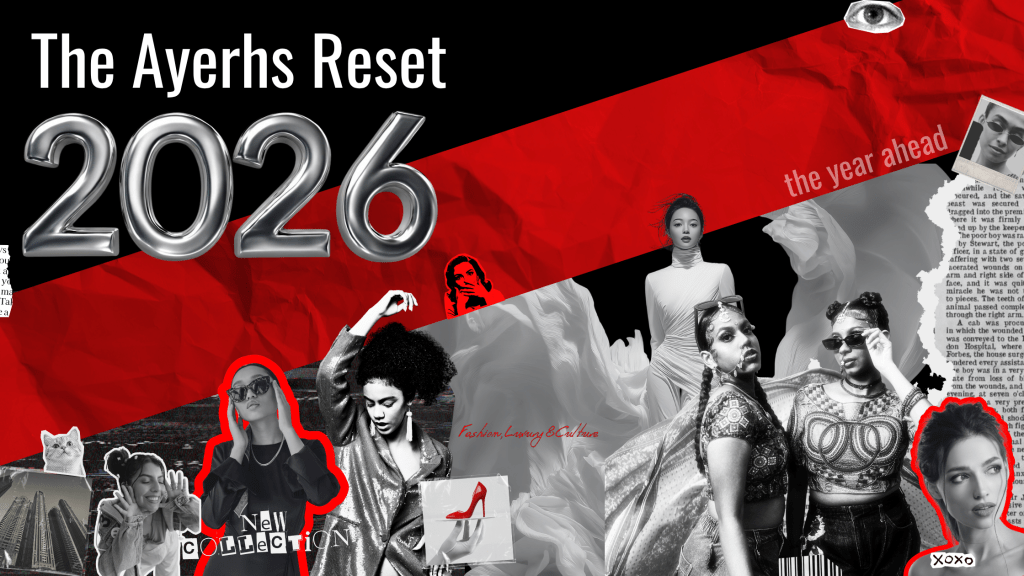
The way we dress has always said something about who we are—but in 2026, it’s saying even more. It’s not just about style anymore; it’s about substance. As conversations around sustainability, ethics, inclusivity, and personal identity grow louder, the clothes we wear are becoming reflections of what we care about most. Whether you’re rethinking your shopping habits, curating a closet that feels more “you,” or just tired of fast fashion’s chaos, aligning your wardrobe with your values is the move this year—and honestly, it feels good.
Step One: Figure Out What You Actually Value
Before you overhaul your closet or click “add to cart,” take a pause. What do you really care about? Is it sustainability? Supporting small designers? Reducing waste? Or maybe it’s about authenticity—wanting your wardrobe to mirror your real life, not a filtered version of it.
Values look different for everyone. For some, it’s about choosing clothes that are ethically made. For others, it’s about expressing individuality and resisting trend fatigue. The goal is clarity. When you know what matters to you, your choices—fashion included—start to feel less performative and more intentional.
Think of it like your personal style mission statement. Example: “I want my clothes to make me feel confident, comfortable, and conscious of their impact.” Once that’s clear, every purchase, outfit, or brand choice becomes easier to navigate.
Step Two: Do an Audit (Without the Guilt Trip)
Let’s be real—most of us have a few fast-fashion relics hanging in the closet. And that’s okay. The goal here isn’t to shame yourself into minimalism overnight. It’s to take stock of what’s working, what’s not, and what no longer fits your values.
Start simple: pull out your most-worn pieces. What do they have in common? Maybe they’re timeless silhouettes, neutral tones, or made by brands that align with your ethics. These are your anchors. Now look at the impulse buys—the ones that still have tags or never see daylight. Ask yourself why. Was it the trend? The sale? The brand hype? Understanding the why behind your choices is key to changing your habits.
The next step isn’t necessarily a clean-out—it’s a mindset shift. You don’t need to throw everything away. Instead, repurpose, restyle, or rehome. The most sustainable wardrobe is the one you already own.
Step Three: Redefine What “Sustainable” Means to You
In 2026, sustainability has evolved beyond buzzword status. But it’s also become personal. The reality is, not everyone can afford luxury “eco” brands or small-batch labels—and that doesn’t mean you’re excluded from conscious fashion.
For Gen Z especially, sustainability now includes accessibility, transparency, and creativity. It’s about how you engage with your clothes, not just where they come from. Thrifting, swapping with friends, upcycling, or simply wearing what you already own counts as sustainability too.
It’s also worth researching where your favorite brands stand. Many are now publishing impact reports or partnering with environmental organizations. Some are even integrating circular fashion models—resale, rental, or take-back programs. Aligning your wardrobe with your values might mean supporting brands that are transparent about their progress, not just perfect in their marketing.
Step Four: Invest With Intention
“Buy less, but better” isn’t just an aesthetic—it’s a strategy. In 2026, smart wardrobes are built on longevity, not volume. When you’re tempted to buy something new, ask:
- Will I wear this at least 30 times?
- Does it go with at least three things I already own?
- Does the brand’s mission align with mine?
Investment doesn’t always mean expensive—it means thoughtful. Maybe that’s a high-quality pair of jeans that actually fit, a handcrafted bag from an emerging local designer, or a versatile blazer that transitions across seasons.
The shift here is emotional. Clothes that carry meaning—whether it’s craftsmanship, story, or alignment with your beliefs—tend to stay in your wardrobe longer. They age well because they were chosen with intention.
Step Five: Make Personal Style Political (in the Best Way)
Fashion has always been tied to identity—and identity has always been tied to values. In 2026, aligning your wardrobe with your values is also about self-expression and cultural awareness.
Maybe your values are rooted in diversity and representation—so you consciously support designers from underrepresented communities. Or maybe you’re passionate about gender inclusivity—so your wardrobe leans toward fluidity and freedom.
Fashion has become one of the most visible forms of activism. Wearing clothes that reflect your beliefs isn’t performative; it’s powerful. It tells the world who you are without needing to say much. And when enough people dress with that mindset, fashion evolves—beyond aesthetics, toward empathy.
Step Six: Be Real About the Digital Influence
Let’s be honest: the pressure to buy, post, and stay on-trend has never been higher. Between Instagram drops, TikTok hauls, and microtrend cycles that reset weekly, even the most conscious shopper can feel overwhelmed.
But aligning your wardrobe with your values in 2026 also means rejecting that noise. You don’t need to buy something new every time you want to show up online. Outfit repeating isn’t just acceptable now—it’s cool. Fashion insiders, stylists, and even celebs are proudly rewearing their archives, proving that timeless > trendy.
Curation is the new consumption. Think of your wardrobe as an evolving collection, not a revolving door. The goal is to build consistency—so your outfits reflect you even when trends change overnight.
Step Seven: Learn, Unlearn, and Stay Curious
Fashion in 2026 moves fast, but values evolve even faster. Staying aligned with yours means keeping an open mind. Read up on new materials, like mushroom leather or regenerative cotton. Follow independent creators who spotlight lesser-known sustainable brands. Question greenwashing when you see it.
The more you learn, the easier it becomes to make decisions that feel authentic. It’s not about being perfect—it’s about being aware. Even small shifts, like supporting a transparent label or repairing your old sneakers instead of replacing them, count.
Step Eight: Build Emotional Connection With Your Clothes
Here’s something we don’t talk about enough: clothes carry memories. The dress you wore to your first big event, the vintage jacket you found in a thrift store on a random weekend—these aren’t just garments; they’re stories.
Aligning your wardrobe with your values means treating clothes as companions, not commodities. Take care of them. Mend, clean, and store them well. When something no longer fits your lifestyle, pass it on intentionally—to someone who’ll give it new life.
When you start to view fashion through this lens, it stops being about chasing the next big thing. It becomes a form of self-respect.
Step Nine: Keep It Fluid
Here’s the truth: your values will shift, and that’s okay. What feels important to you now might evolve in a few years. Maybe you’ll care more about minimalism later, or discover a passion for supporting local craftsmanship. The point is to stay flexible.
Aligning your wardrobe with your values isn’t a one-time project—it’s an ongoing relationship. The more you evolve, the more your style will too. The beauty of 2026 fashion is that there are no strict rules anymore. You get to define what authenticity looks like for you.
Step Ten: Lead by Example
Whether you realize it or not, your wardrobe choices influence people around you—friends, family, even your online community. When you show that it’s possible to look good and stand for something, you normalize mindful fashion.
Talk about where you shop, why you choose certain brands, or how you upcycle your clothes. Share your process, not just your outfits. This transparency creates ripple effects—because change in fashion doesn’t start with big brands; it starts with individuals who care.
In 2026, the new luxury is alignment.
Not in the sense of polished perfection, but in how your clothes, mindset, and values sync effortlessly. When you wear what you believe in—whether that’s sustainability, authenticity, inclusivity, or creativity—you’re not just dressing better. You’re living with intention.
And that’s the kind of style that never goes out of fashion.
 Ayerhs Magazine