
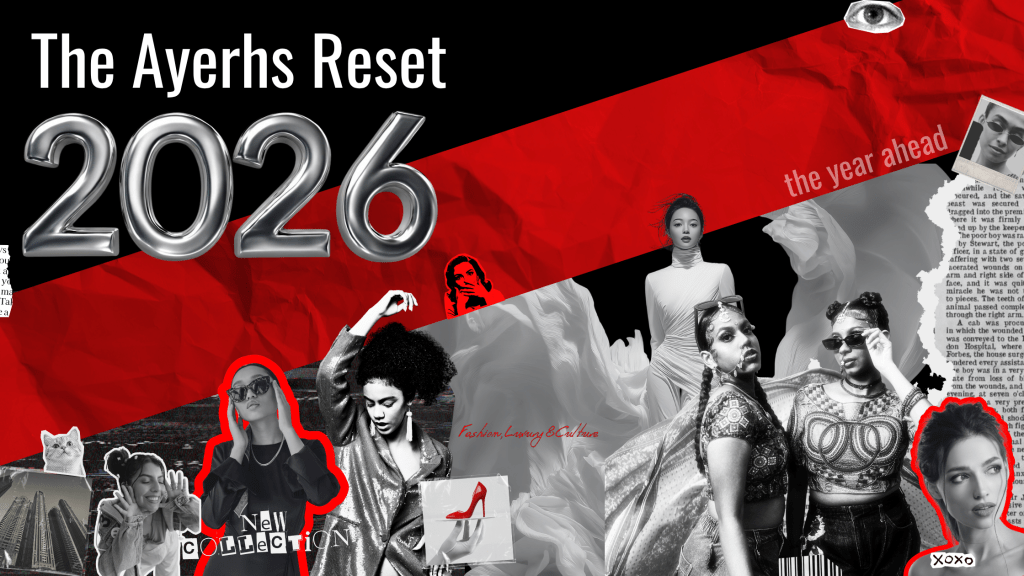
If 2025 was all about “quiet luxury,” then 2026 is the year fashion gets smarter—literally. The conversation has moved beyond who’s wearing what to what our clothes are made of, how they’re made, and what they mean for the planet. This is the era of materials that matter: where innovation, sustainability, and design collide in ways that feel less like compromise and more like progress.
The new luxury isn’t about more; it’s about better. It’s about clothes that don’t just look good but do good. And for Gen Z—the generation driving the fashion narrative right now—what’s inside the seams matters just as much as the label stitched on top.
The Rise of Conscious Craftsmanship
Let’s start with the obvious: people care more about fabric than ever before. Not just the texture, but the story behind it. The shift began a few years ago with the “sustainable fashion” wave—organic cotton, recycled polyester, upcycled denim—but 2026 is taking that to a new level.
Now, it’s about regenerative materials, bio-based innovations, and lab-grown textiles that are redefining what’s possible. Designers are experimenting not because it’s trendy but because it’s necessary. Fashion’s impact on the planet has been under a microscope for years, and the industry knows it can’t just talk about change—it has to wear it.
Regenerative cotton, for example, is no longer niche. Brands like Stella McCartney and Gabriela Hearst have been early champions of this farming method that restores soil health rather than depleting it. In 2026, it’s scaling up—think bigger brands adopting it as a baseline, not a brag. Even high-street players are testing regenerative blends, proving that responsibility and accessibility can coexist.
Then there’s mycelium leather, once seen as a futuristic fantasy, now becoming a commercial reality. Labels are partnering with biotech firms like Bolt Threads and MycoWorks to replace animal hides with lab-grown alternatives made from mushrooms. They feel luxurious, they’re biodegradable, and they remove the guilt from the leather equation.
Tech Meets Textiles
Fashion and technology have always had a bit of a love-hate relationship—one too emotional, the other too analytical. But in 2026, they’ve found their rhythm. Smart textiles are making a quiet entrance into the mainstream, not with flashing LEDs or gimmicky sensors, but with purpose.
We’re seeing the rise of adaptive materials that regulate temperature, wick moisture, or even monitor your body’s stress levels. Imagine your workout wear that cools itself when you start to sweat or your jacket that responds to shifts in humidity. These aren’t concepts—they’re already hitting production floors.
Luxury brands are also dabbling in “digital twins”—every physical garment paired with a digital counterpart embedded with traceability tech. That means you can scan a tag and know where the fiber came from, who made it, and how to recycle it when you’re done. For a generation raised on transparency, this is the ultimate green flag.
Nature as the New Lab
The more science advances, the more we seem to look back to nature for answers. Biomimicry—the practice of designing materials inspired by natural systems—is having a major moment. Researchers are studying spider silk to develop stronger yet lighter fabrics, seaweed to create breathable fibers, and orange peels to produce soft, sustainable leather alternatives.
One of the most exciting frontiers is algae-based textiles. Algae grows fast, absorbs CO₂, and can be processed into bio-yarns that biodegrade naturally. In 2026, several start-ups are scaling algae fabrics for activewear and accessories. It’s innovation that feels organic—literally.
Even dyes are going green. Natural pigment technologies are replacing toxic synthetic dyes with colors derived from plants, bacteria, and minerals. Imagine your lilac blouse tinted by actual lavender or your sky-blue jeans dyed using living microbes. Sustainability is no longer beige—it’s vibrant, diverse, and alive.
From Eco to Aesthetic
For a while, “sustainable” fashion carried a certain aesthetic—minimalist, neutral, and sometimes a little too plain. But 2026 is blowing that out of the water. Designers are proving that eco-friendly can be extraordinary.
Bottega Veneta’s experiments with paper-leather hybrids and Prada’s regenerated nylon are testaments to how luxury and sustainability can not only coexist but enhance each other. Marine Serre continues to blend upcycling with couture-like precision, while new designers are reimagining waste as raw material.
There’s also a growing appreciation for material longevity. People are craving clothes that age well, that gain character over time. The return of natural fibers like hemp, linen, and wool isn’t just nostalgic—it’s practical. They breathe, last, and biodegrade, aligning perfectly with Gen Z’s values of intentional consumption.
The Transparency Trend
Let’s be honest: words like “sustainable” and “eco-friendly” have been overused to the point of losing meaning. 2026 is calling out the greenwashing. Shoppers are smarter, platforms are stricter, and brands are finally being held accountable for their claims.
Transparency is no longer optional—it’s expected. Thanks to blockchain and digital product passports, brands can’t hide behind vague promises. Consumers can trace their clothing back to its origin, checking everything from water usage to worker welfare. This level of visibility isn’t just ethical—it’s empowering.
And it’s influencing how people shop. Gen Z doesn’t just buy a product; they buy into a philosophy. They’re asking, “What does this brand stand for? What does this fabric say about my choices?” The result? Fewer impulse buys, more considered wardrobes, and a growing secondhand and resale culture that values quality over quantity.
Materials as Identity
Fashion has always been a language. The textures, weights, and movements of fabric communicate mood and intent. But in 2026, materials have become identity markers. Wearing mycelium leather or recycled silk isn’t just a style choice—it’s a statement of alignment with innovation, ethics, and awareness.
This shift also extends to cultural materials. Designers are rediscovering indigenous techniques and local crafts, merging traditional knowledge with modern technology. We’re seeing natural dyes from rural India, woven grasses from Africa, and bark cloth from the Pacific make appearances on global runways. These materials carry stories—of heritage, of community, of sustainability rooted in history.
It’s a refreshing counterpoint to fast fashion’s homogeny. Every piece feels personal, purposeful, and alive.
The Future Is Textured
If you zoom out, the story of 2026 fashion isn’t just about sustainability—it’s about substance. For too long, materials were the silent foundation of design, hidden behind logos and silhouettes. Now, they’re stepping into the spotlight.
As the industry faces climate deadlines and cultural shifts, materials are the common ground where ethics, aesthetics, and innovation meet. It’s not about perfection but progression—choosing fabrics that make sense for both people and the planet.
In a world obsessed with trends, materials are the new timeless.
So, as we move through 2026, one thing’s clear: fashion’s future isn’t just about what’s seen on the surface. It’s woven into the very fabric of what we wear. Whether it’s mushroom leather, regenerative cotton, or seaweed silk, the materials that matter are redefining not just our wardrobes, but the way we think about fashion itself.
 Ayerhs Magazine