
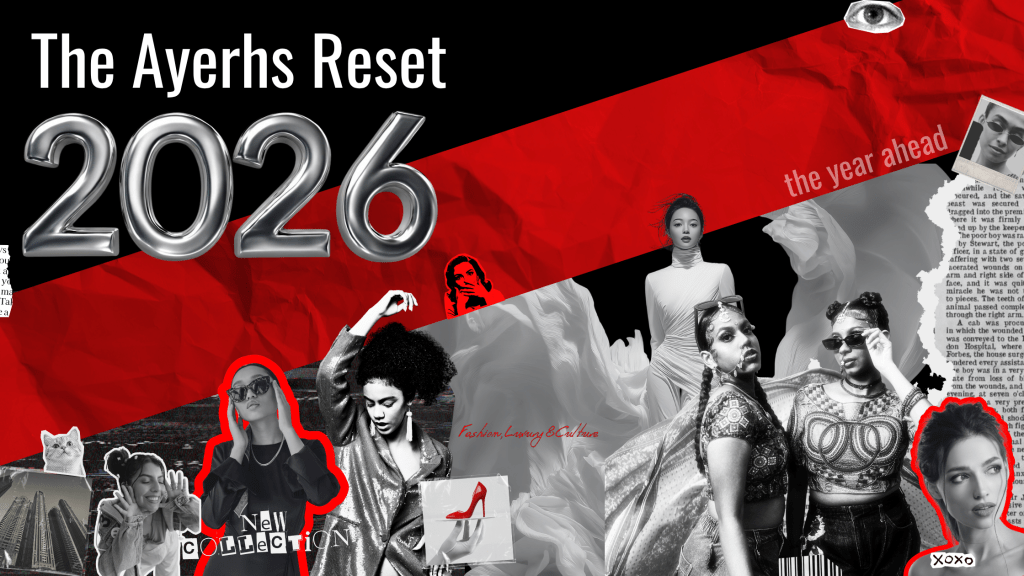
In 2026, fashion isn’t just about what you wear—it’s about why you wear it. The era of performative sustainability is slowly fading, replaced by something far more intentional and effortlessly stylish: ethical chic. This is not about dressing like an activist or an aesthetic purist. It’s about caring—quietly but deeply—about how your choices ripple through the world, and doing it with taste, individuality, and confidence.
Today, the modern wardrobe isn’t just curated—it’s considered. And that subtle shift is what’s making 2026 a defining year for conscious fashion.
From “Sustainable” to “Ethical Chic”
Over the past few years, we’ve seen every brand slap the word sustainable onto hang tags like a badge of honor. But by now, most of us know better. Greenwashing is out. Transparency is in. And 2026 is proof that fashion’s new language isn’t about labels—it’s about values.
The phrase “ethical chic” captures this beautifully. It merges two worlds that once felt at odds: the ethics of mindful consumption and the effortless allure of chic style. Think: a beautifully cut blazer made from upcycled wool, or a sleek dress crafted by artisans who are paid fairly. It’s about that quiet satisfaction of knowing your outfit didn’t come at someone else’s expense—or the planet’s.
For Gen Z, who now drive a huge chunk of fashion’s cultural momentum, being stylish and being ethical aren’t opposites anymore. They’re intertwined. You don’t have to sacrifice design for principles; the best designers today understand that ethics can be an aesthetic in itself.
Conscious Doesn’t Mean Boring
If “ethical fashion” once made you think of beige linen and shapeless silhouettes, 2026 is rewriting that narrative. Designers are proving that mindful production can coexist with strong visual storytelling.
Brands like Mara Hoffman, BITE Studios, and Mother of Pearl have mastered the art of subtle sophistication—creating clothing that feels good on your skin and your conscience. Meanwhile, new-gen labels like Mirror Palais and Gaia Collective are championing local craftsmanship and reimagined vintage with a contemporary edge.
Even luxury fashion is catching up. Stella McCartney continues to push innovation in plant-based fabrics, while Chloé has made social responsibility integral to its DNA under Gabriela Hearst’s influence. And Loro Piana—the ultimate symbol of understated luxury—is focusing on traceable cashmere and low-impact dyeing techniques.
The point is, ethical chic is no longer niche. It’s mainstream, and more importantly, it’s aspirational. Wearing an ethical piece isn’t about proving moral superiority anymore—it’s about taste, refinement, and modernity.
The Rise of “Fashion Minimal Activism”
2026 also marks a shift from loud advocacy to what could be called fashion minimal activism—a quieter, more personal approach to change. Instead of grand gestures, people are starting small: rewearing, repairing, reselling, and renting.
Platforms like Vestiaire Collective, Depop, and The RealReal are still booming, but what’s interesting is how Gen Z is reshaping the resale narrative. It’s no longer just about snagging a deal; it’s about curating a conscious closet. A pre-loved Prada skirt or a vintage Yohji Yamamoto jacket now carries cultural capital—proof that you know your fashion history and your values.
There’s also a growing appreciation for craft over consumption. Consumers are asking: Who made this? How long will it last? Is it adding something meaningful to my wardrobe—or just filling a gap? Ethical chic isn’t about owning less necessarily, but about owning better.
Digital Accountability Meets Real-World Style
One big driver of this shift is transparency—something that tech has made impossible to ignore. Social media has always been a space for fashion performance, but in 2026, it’s also a space for accountability.
TikTok creators are dissecting brand sustainability reports, calling out false claims, and celebrating small labels doing real work behind the scenes. Hashtags like #ConsciousLuxury and #EthicalChic are trending, often showing minimalist, timeless looks that merge digital aesthetic culture with real-world responsibility.
Fashion tech is also enabling better consumer choices. QR codes on garments now trace the entire journey—from the farm to the factory to the final product. Blockchain-backed supply chains are becoming common among mid-range and luxury brands alike. This level of visibility doesn’t just build trust—it builds connection. People want to feel good about what they wear, and information empowers that feeling.
The Luxury Shift: Ethics as the New Exclusivity
Luxury, in particular, is experiencing an identity refresh. For decades, luxury was defined by rarity, price, and craftsmanship. But in 2026, ethical production is becoming a new marker of exclusivity.
Consider the psychology: anyone can buy a logo, but not everyone takes the time to understand where it came from. Ethical luxury is slower, more intentional, and deeply rooted in story. A handmade bag by a local artisan or a capsule collection using regenerative wool now feels more special than a mass-produced “luxury” tote.
Brands like Brunello Cucinelli and Gabriela Hearst embody this ethos—offering understated, high-quality pieces backed by social responsibility. The appeal is emotional, not just aesthetic. Owning something ethical becomes a way of saying, “I know what I stand for.”
The New Wardrobe Mindset
The ethical chic mindset goes beyond brands—it’s about a new way of dressing altogether. Instead of chasing every micro-trend, people are building wardrobes that evolve with them. Capsule closets are no longer just a minimalist fantasy; they’re becoming the norm for people who want fashion that lasts.
But here’s the twist: “chic” doesn’t mean rigid. It’s playful, personal, and layered. You can pair a thrifted jacket with new-season designer trousers. You can rent a dress for an event instead of buying it. You can support small ethical designers without rejecting the occasional high-street find—if you genuinely love it and plan to wear it for years.
Ethical chic isn’t about guilt—it’s about balance. It recognizes that perfection isn’t possible, but progress is.
Why 2026 Is the Turning Point
There’s a sense that the fashion industry has finally hit a cultural reset. The years of overproduction, overconsumption, and influencer-driven excess have lost their shine. Gen Z and the younger millennials—the ones shaping what’s “cool” online—are embracing slower, more grounded ideals.
Searches for terms like “ethical fashion brands” and “sustainable luxury” have surged over the past year, while fast fashion giants are facing backlash for exploitative practices. Governments are even stepping in: the EU’s Green Claims Directive is cracking down on misleading marketing, and similar transparency laws are being discussed globally.
Ethical chic isn’t a fleeting aesthetic—it’s becoming infrastructure.
 Ayerhs Magazine