
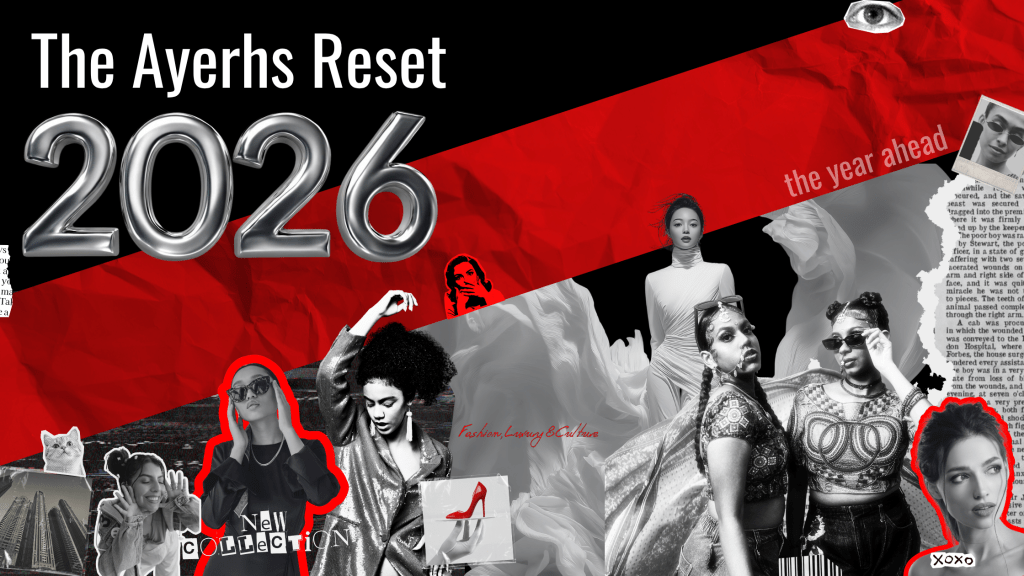
Rewearing isn’t just a quiet act of sustainability anymore—it’s a statement of personal style. In 2026, the fashion conversation has shifted from what’s new to how you wear what you already own. What was once dismissed as “outfit repeating” is now a mark of intention and taste. The best-dressed people today aren’t those who shop the most—they’re the ones who style the smartest.
So, how exactly are fashion insiders rewearing their clothes in 2026? Let’s break down the mindset, styling techniques, and cultural context behind this movement that’s redefining what it means to dress well.
The Shift: From Consumption to Curation
In the 2010s and early 2020s, fashion was all about the new. New drops, new collaborations, new aesthetics—every month felt like a reinvention. But as conversations around sustainability deepened, and as Gen Z became the driving force in fashion culture, the obsession with novelty started to lose its shine.
By 2026, the real flex is in curation. Fashion insiders aren’t flaunting massive wardrobes—they’re showcasing their ability to recontextualize what they already have. Think of it as the art of repetition: wearing something over and over but making it feel fresh each time.
Rewearing has become a creative act, not a compromise. It’s less “I have nothing to wear” and more “I know exactly how to make this piece work again.”
The Insider’s Mindset: Rewearing as Identity
Fashion insiders—stylists, editors, influencers, designers—have always known one truth: it’s not the clothes that make the person, it’s the way they’re worn. Rewearing in 2026 is rooted in that same philosophy.
People aren’t hiding their repeats anymore; they’re embracing them. An outfit worn twice on Instagram isn’t an embarrassment—it’s a style signature. Repetition communicates confidence, a kind of quiet assurance that you don’t need constant newness to look current.
Fashion editorials and street style now celebrate that. You’ll see someone re-wearing the same leather jacket across three different events—styled with a slip dress one day, slouchy trousers the next, and layered over a hoodie after that. Each look tells a story about adaptability and attitude.
The idea is simple: when you rewear intentionally, you reveal more of yourself. You move beyond consumption and into character.
Building a Rewearable Wardrobe
The foundation of rewearing like a fashion insider is a well-built wardrobe. Not necessarily a minimalist one, but a considered one.
Insiders curate pieces with versatility and longevity in mind. It’s not just about basics—it’s about balance. Every standout piece needs a supporting cast that can stretch across looks. Here’s how they approach it:
1. Buy with intent, not impulse.
Before buying something new, insiders ask: Can I style this three different ways? If the answer’s no, it’s usually not worth it.
2. Focus on quality and texture.
A beautifully cut blazer or a rich wool coat can anchor dozens of outfits. The better the fabric, the longer it holds its shape and character.
3. Mix high and low.
In 2026, fashion insiders aren’t chasing head-to-toe designer. They mix vintage with new, thrifted finds with luxury staples. That blend gives an outfit dimension—and it’s exactly what makes rewearing feel fresh.
4. Keep your wardrobe modular.
Pieces that layer easily—oversized shirts, slip dresses, wide trousers, structured outerwear—can be restyled endlessly. The goal is a wardrobe that moves with you, not one that sits untouched.
The Power of Styling: Reinvention Over Replacement
The real secret to rewearing like a pro lies in how you style, not what you buy. Insiders know how to make a single piece feel brand new through small, thoughtful shifts:
– Play with proportions.
That same white button-down can look completely different tucked into a pencil skirt, left open over a bralette, or layered under an oversized blazer. Change the silhouette, and you change the mood.
– Accessorize with intention.
Accessories are the quickest way to transform an outfit. A silk scarf tied differently, chunky jewelry instead of minimal, a bold shoe swap—these micro-adjustments create macro impact.
– Rework old favorites.
Fashion insiders aren’t afraid to alter or upcycle. Hem a pair of trousers, crop an old jacket, or dye a faded dress—it’s part of keeping pieces alive. The DIY mindset has gone luxe in 2026, merging creativity with craftsmanship.
– Use contrast.
Pairing opposites—like a sporty bomber with tailored pants or a sequined top with vintage jeans—creates that insider-level cool. It shows you know how to balance tension and ease.
Rewearing isn’t about restraint; it’s about reinvention. The best outfits often start with a piece you’ve owned for years, styled in a way you never thought to before.
Cultural Context: Why Rewearing Matters Now
There’s also a cultural undercurrent behind this shift. The post-pandemic years redefined people’s relationship with fashion. With growing awareness about climate change, production waste, and fast fashion’s ethical toll, consumers began demanding more from brands—and themselves.
But 2026 isn’t about guilt-based sustainability anymore. It’s about intelligent fashion. People want to feel good in what they wear without overconsuming. The rewearing movement reflects a collective maturity: we’re no longer dressing to impress algorithms but to express ourselves.
Celebrities and influencers are reinforcing that change. The “Rewear Challenge” trend—where stylists intentionally restyle old red carpet looks—has become a cultural moment. Zendaya rewearing a Valentino gown or Timothée Chalamet reviving a Haider Ackermann jacket isn’t just nostalgic; it’s aspirational. It signals that rewearing is the new refinement.
The Social Media Shift: Authenticity Over Aesthetics
Social media used to thrive on novelty—new fits, new drops, new hauls. But even that’s changed. Platforms like TikTok and Instagram have evolved into spaces where authenticity beats aesthetics.
The “Outfit Repeat Diaries” trend, where creators document how they restyle the same item multiple times, is proof that audiences are craving real fashion stories over one-time content. There’s an emerging sense that personal style is about evolution, not exhibition.
The new fashion insider knows that social credibility comes from consistency, not constant change. People are following those who make fashion liveable again—those who can show that a blazer from three years ago can still look entirely new today.
Designer Response: Collections Built to Last
Designers have taken note too. Luxury fashion houses are now building collections with longevity in mind. Modular designs, convertible silhouettes, and unisex pieces dominate the runway.
Take The Row’s seasonless approach, or Loewe’s structural tailoring—these aren’t made to expire next season. Even trend-forward brands like Miu Miu and Bottega Veneta are focusing on rewear value: pieces that evolve with styling rather than fade with fads.
Fashion insiders interpret these collections not as standalone moments but as part of an ongoing wardrobe narrative. It’s no longer “what’s new this season?” but “how can I extend what I already own into this new story?”
The New Definition of Luxury
Perhaps the biggest shift of all is what luxury means in 2026. It’s no longer about exclusivity or excess—it’s about endurance. Luxury is something you keep wearing, year after year, in new ways.
Fashion insiders talk less about the price tag and more about the cost per wear. A $2000 coat worn fifty times feels far more valuable than one worn twice. Luxury now lies in repeatability—in knowing that every piece earns its place in your closet.
In other words, luxury is now lived in.
Final Thought: Rewearing as the Future of Fashion
Rewearing like a fashion insider isn’t about being frugal or eco-perfect—it’s about being intentional. It’s a mindset that blends creativity, confidence, and consciousness.
The best style in 2026 doesn’t scream new season. It whispers personal evolution. Every outfit becomes a chapter in your story, every repeat a quiet assertion of who you are and how you see fashion.
 Ayerhs Magazine