
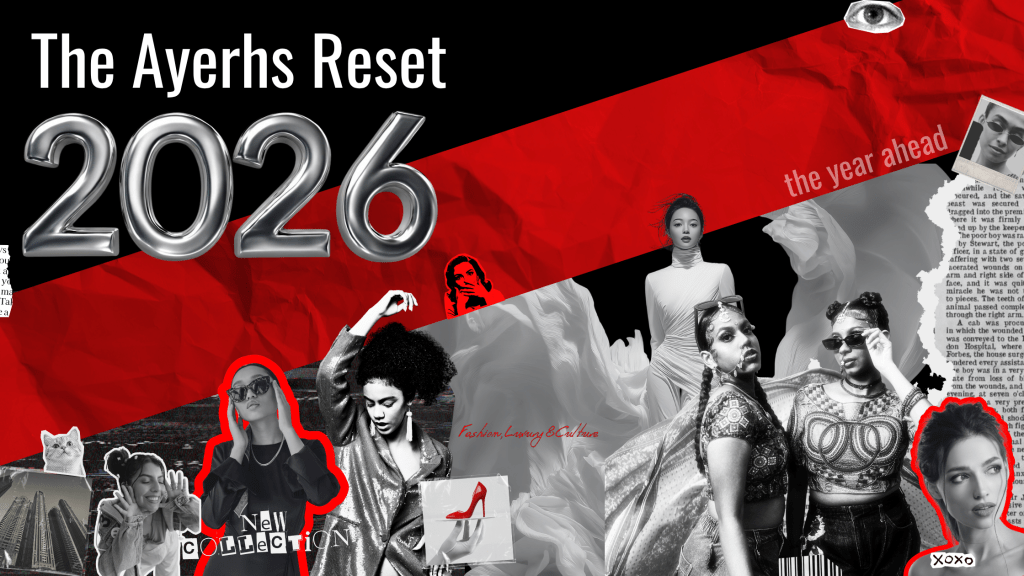
For years, fashion has been obsessed with the loud, the fast, and the fleeting. The glitz of viral red carpet moments, the buzz of microtrends, and the allure of “new drops” every week defined what it meant to be stylish. But as we step into 2026, the pendulum has swung in a calmer, more deliberate direction. This year, fashion’s most powerful statement isn’t excess — it’s ease. Welcome to the era of slow glamour: a quieter, richer, and more intentional kind of beauty.
The Return of Understated Opulence
Slow glamour is not about rejecting luxury — it’s about redefining it. It’s silk that feels like water, tailoring that doesn’t need a logo to announce itself, jewelry you wear every day because it means something, not because it matches an outfit. The aesthetic is steeped in refinement, but stripped of arrogance. Think Sofia Coppola’s Priscilla more than The Devil Wears Prada. Think FKA twigs in vintage Alaïa rather than a head-to-toe sponsorship look.
It’s a shift that feels natural in a world exhausted by maximalism. After years of dopamine dressing, fashion fatigue has set in. The new mood is introspective — it’s about quality over clout. The resurgence of quiet luxury in 2023 and 2024 laid the groundwork, but 2026’s slow glamour takes it further. It adds sensuality and soul. It’s not sterile minimalism; it’s confident simplicity that whispers, “I have nothing to prove.”
The Rise of the Anti-Red Carpet
Fashion’s obsession with speed has always been most visible on the red carpet. But lately, we’ve seen a shift. Gone are the overly structured gowns and high-shine looks meant for Instagram virality. In their place? Softer silhouettes, muted colors, and personal touches that feel like extensions of the wearer.
Celebrities like Zendaya, Tilda Swinton, and Greta Lee have mastered this new kind of glamour — one that’s intimate, thoughtful, and timeless. It’s no longer about wearing the most extravagant piece; it’s about looking composed. When Jennifer Lawrence wore a simple Dior gown in ivory satin earlier this year, it wasn’t the loudest look of the night, but it was the one that lingered in everyone’s mind.
Fashion critics have started calling this the “anti-red carpet” effect — where the power of a look lies not in its extravagance, but in its restraint. The kind of glamour that doesn’t try to capture attention, but inevitably does.
The Cultural Backdrop: A Craving for Slowness
Beyond the runway, slow glamour reflects a broader cultural mood. People are tired — tired of being overstimulated, overexposed, overconsuming. There’s a collective yearning for stillness, for space to breathe, for experiences that feel real.
In that sense, slow glamour is fashion’s answer to a deeper existential shift. Just as we’ve seen slow living, slow travel, and slow food movements gain traction, the same philosophy is entering our wardrobes. It’s about slowing down consumption, investing in fewer but finer things, and cultivating a relationship with what we wear.
We’re no longer dressing to keep up — we’re dressing to feel grounded.
The Craftsmanship Revival
A crucial part of slow glamour is craftsmanship. 2026 is seeing a revival of artisanal techniques that were once overshadowed by industrial speed. Designers are highlighting hand-finished hems, natural dyes, and age-old weaving traditions. There’s an appreciation for the imperfections that make a piece human — the irregular stitching, the subtle fade of a hand-dyed fabric, the weight of hand-blown glass in a piece of jewelry.
Brands like The Row, Lemaire, Khaite, and Gabriela Hearst have long been champions of this ethos. But even emerging designers are moving in that direction — focusing less on seasonal drops and more on long-term narratives. Small ateliers are finding their footing again, and the phrase “made slowly” is becoming a mark of prestige rather than inefficiency.
The fashion economy is subtly rewiring itself around these values. Consumers are more educated, more curious, and more patient. They want to know who made their clothes and why. And as AI, automation, and digital fashion rise, the human touch becomes the new luxury.
Glamour as a State of Mind
The word “glamour” has always been loaded — often associated with extravagance, unattainability, and excess. But in 2026, glamour is no longer about aspiration; it’s about authenticity. It’s about the quiet confidence of someone who knows their worth and doesn’t need embellishment to prove it.
Slow glamour embraces natural textures, soft fabrics, and subtle silhouettes. Think bias-cut satin skirts with worn-in knits, or linen suits paired with sculptural gold jewelry. It’s about balance — clothes that move with you rather than against you. It’s about dressing with intention, not impulse.
This is also reflected in beauty. The overdrawn lips, contour-heavy looks, and hyper-polished aesthetics of the 2020s are being replaced by what some editors are calling “undone refinement.” Think luminous skin, brushed brows, lived-in hair — a kind of beauty that looks like it took time, but not effort.
In short: glamour is slowing down to meet real life again.
The Influence of Film and Media
Cultural aesthetics don’t exist in a vacuum, and slow glamour’s rise has been quietly shaped by film and television. From Sofia Coppola’s Priscilla and Luca Guadagnino’s Challengers to HBO’s The Idol and The White Lotus, there’s been a visual shift toward a kind of dreamy, languid luxury — indulgent yet melancholy, sensual yet grounded.
Fashion is borrowing that cinematic sensibility — the soft-focus nostalgia, the natural lighting, the unhurried pacing. Even editorials are leaning into more analog moods: less high-gloss, more grain and emotion. Social media, too, is evolving — the new fashion It-girls are not influencers shouting trends, but quiet tastemakers curating timeless wardrobes and living slower lives.
The Consumer Shift: From “More” to “Meaning”
In 2026, being fashionable isn’t about having the latest; it’s about having the right things. The consumer psyche has matured. People are looking for longevity — pieces they can build their identity around.
Resale platforms like The RealReal and Vestiaire Collective are thriving not just because of sustainability, but because slow glamour encourages continuity. Rewearing is chic again. Buying vintage is a sign of discernment. A well-loved piece is more interesting than a brand-new one.
Even luxury houses are adapting. Brands like Gucci and Dior are offering heritage-inspired collections, while others are reissuing archival pieces to meet the demand for authenticity. The idea is simple: glamour is not what’s trending — it’s what lasts.
Why Slow Glamour Matters
At its core, slow glamour isn’t just about fashion. It’s about a mindset — a cultural correction to years of overstimulation. It asks us to notice again: the feel of good fabric, the craftsmanship of a well-made shoe, the intimacy of getting dressed slowly in the morning.
It challenges the industry to rethink what it means to be desirable. It encourages consumers to find confidence in subtlety. And it reminds everyone that style, at its best, has always been about restraint, not reaction.
In 2026, glamour doesn’t sparkle under a spotlight. It glows quietly in the background — steady, warm, and enduring. It’s the silk blouse that has aged beautifully. The perfume you’ve worn for years. The jewelry that tells a story. The confidence that doesn’t demand attention but inevitably gets it.
That’s slow glamour — a return to feeling over flaunting, presence over performance.
 Ayerhs Magazine