
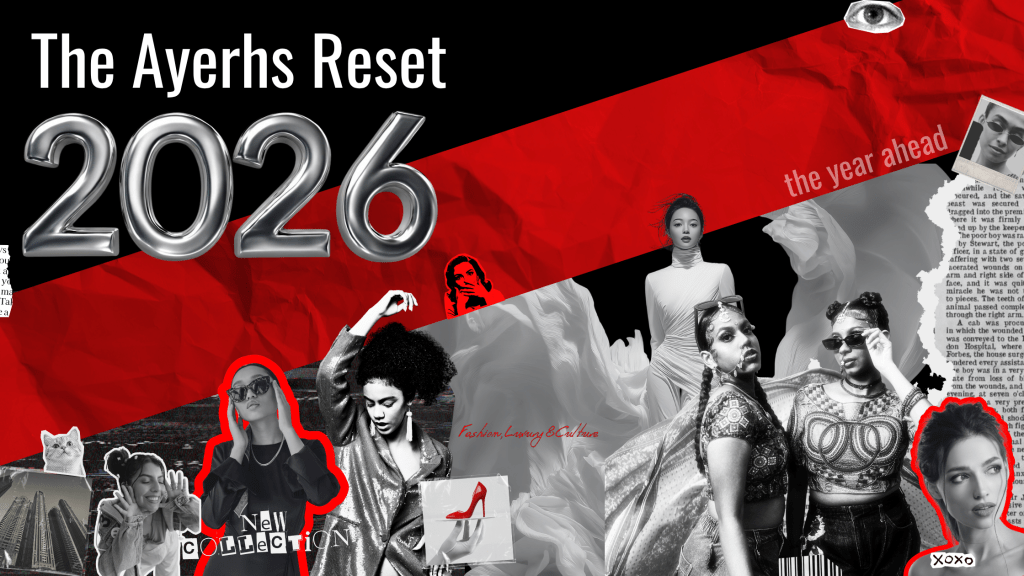
Luxury in 2026 looks and feels different. It’s no longer defined by price tags, exclusivity, or logo-heavy displays of wealth. Instead, it’s measured by thoughtfulness—how a piece is made, who made it, and why it exists at all. Welcome to the era of conscious luxury, where meaning matters as much as beauty, and elegance is rooted in awareness.
After years of quiet luxury and minimalism, the conversation around refinement has deepened. Conscious luxury isn’t about restraint for the sake of aesthetic—it’s about responsibility. It’s the natural evolution of a world that’s asking better questions: not just what we wear, but how and why.
A New Definition of Luxury
For decades, luxury was synonymous with exclusivity—limited editions, high price points, and status through ownership. But in 2026, that idea feels outdated. True luxury now lies in care: care for craftsmanship, for the planet, and for the people behind every piece.
Today’s luxury consumers don’t just want to look good; they want to feel good about what they wear. A $3,000 bag means little if it’s mass-produced with little regard for sustainability. But a beautifully made garment, crafted with ethics and longevity in mind—that’s where real value lies.
This shift has redefined what luxury brands stand for. The most forward-thinking houses—Stella McCartney, Gabriela Hearst, Loewe, and Chloé among them—are putting transparency, material innovation, and responsibility at the center of their identity. The message is clear: sustainability isn’t a side story anymore. It is the story.
Conscious Luxury Is Slow
2026’s luxury landscape is rooted in slowness. It’s a deliberate rejection of fast fashion’s frantic cycles and the constant chase for the “next new thing.”
Conscious luxury celebrates timeless design—pieces meant to last, not to trend. The focus is on craftsmanship over quantity, with collections designed for longevity rather than novelty.
This slower rhythm isn’t just sustainable—it’s sensual. There’s pleasure in patience, in waiting for something made with care. A handwoven coat that takes weeks to finish. A pair of shoes made by artisans who’ve honed their craft for decades. Conscious luxury values that process. It’s not instant—it’s intentional.
And perhaps that’s the most luxurious thing of all.
The Materials Matter
In 2026, fabric is storytelling. Conscious luxury celebrates materials that are both elevated and ethical—where innovation meets integrity.
Expect to see organic silks, traceable cashmere, recycled wool, and plant-based leathers becoming the new normal. Designers are moving beyond buzzwords and into real, measurable action: carbon-neutral production, closed-loop manufacturing, and traceable supply chains that ensure transparency from start to finish.
Material innovation has become a defining mark of modern luxury. Labels like Stella McCartney are experimenting with lab-grown alternatives, while Hermès has partnered with sustainable tech companies to develop mycelium leather that mimics the softness of calfskin without harming animals.
The fabrics of the future aren’t just beautiful—they’re responsible. And that, in 2026, is what makes them truly luxurious.
From Quiet to Conscious
Quiet luxury—minimal, logo-free, understated—dominated fashion in the early 2020s. It was a needed correction after years of excess. But conscious luxury takes that aesthetic and gives it depth.
Where quiet luxury whispered refinement, conscious luxury speaks with intention. It’s not just about how it looks; it’s about what it stands for.
It’s choosing a hand-tailored linen suit because it’s biodegradable. It’s investing in a minimalist handbag from a small, female-led brand because it was ethically sourced and fairly made. It’s about quiet power with purpose.
In 2026, we’re no longer impressed by exclusivity—we’re inspired by empathy.
The Emotional Side of Consciousness
Beyond sustainability and ethics, conscious luxury taps into something deeper—emotional connection. In a fast, digital world, we’re craving meaning. We want to feel something again.
Clothes are becoming more personal. Consumers are asking, Does this align with who I am? Does it tell my story? A piece of jewelry passed down, a made-to-measure coat that fits perfectly, a handmade pair of sandals—these carry emotional weight.
The new luxury is intimate, not intimidating. It’s about slowing down and engaging with the story behind what you wear. The more human a piece feels, the more valuable it becomes.
The Influence of Technology and Transparency
Interestingly, technology is helping luxury become more conscious. Blockchain authentication and digital passports are now standard across many fashion houses, allowing customers to trace a product’s origin and environmental footprint.
This level of transparency builds trust—a cornerstone of conscious luxury. Brands can no longer hide behind glossy campaigns; consumers want receipts, literally and figuratively. They want to know how something was made and what impact it left behind.
At the same time, technology is helping minimize waste through AI-based inventory systems, virtual fittings, and made-to-order production models. The result? A luxury ecosystem that’s both digital and deeply human.
Cultural Shifts Defining the Movement
The rise of conscious luxury isn’t happening in isolation—it’s part of a broader cultural moment. We’ve reached a point where awareness isn’t niche; it’s mainstream.
Celebrities and creatives are using their platforms to spotlight sustainability and mindful consumption. Zendaya, Emma Watson, and Leonardo DiCaprio have all championed ethical fashion. Even red carpets have evolved—re-wears and archival pieces are celebrated, not criticized.
This mindset has also influenced the resale and vintage markets, now seamlessly integrated into the luxury ecosystem. Wearing second-hand Dior or archival Prada isn’t just sustainable—it’s stylish. Conscious luxury recognizes that rewearing is the new status symbol.
Building a Conscious Luxury Wardrobe
If you want to step into this new era of refinement, think less but better. The conscious wardrobe is curated, not cluttered. Here’s what it looks like in 2026:
- Timeless Foundations: Tailored blazers, silk shirts, and clean trousers—pieces that last beyond seasons.
- Natural Materials: Organic cotton, linen, recycled wool, or plant-based leathers. Feel the fabric before you buy it—it should feel like quality, not compromise.
- Subtle Statements: Handcrafted jewelry, sculptural accessories, and texture-rich finishes that elevate without excess.
- Reworked Classics: Pieces with a story—vintage, upcycled, or from local designers redefining modern craftsmanship.
- Mindful Investment: Instead of buying five “just okay” items, invest in one great one. Conscious luxury is about choosing with care.
This isn’t a wardrobe that shouts—it breathes.
Conscious Luxury Is a Mindset
Ultimately, conscious luxury isn’t a trend—it’s a shift in perspective. It’s about valuing time, effort, and integrity over speed, noise, and novelty. It’s about dressing in alignment with your principles.
When you choose consciously, you’re participating in something bigger than style—you’re shaping culture. You’re saying that beauty and responsibility can coexist. That luxury doesn’t have to exploit to impress.
2026 is the year that luxury finally grows up. It’s more human, more aware, and infinitely more meaningful. The future of fashion isn’t louder, faster, or newer—it’s smarter, slower, and truer.
And maybe that’s the most luxurious thing of all.
 Ayerhs Magazine