
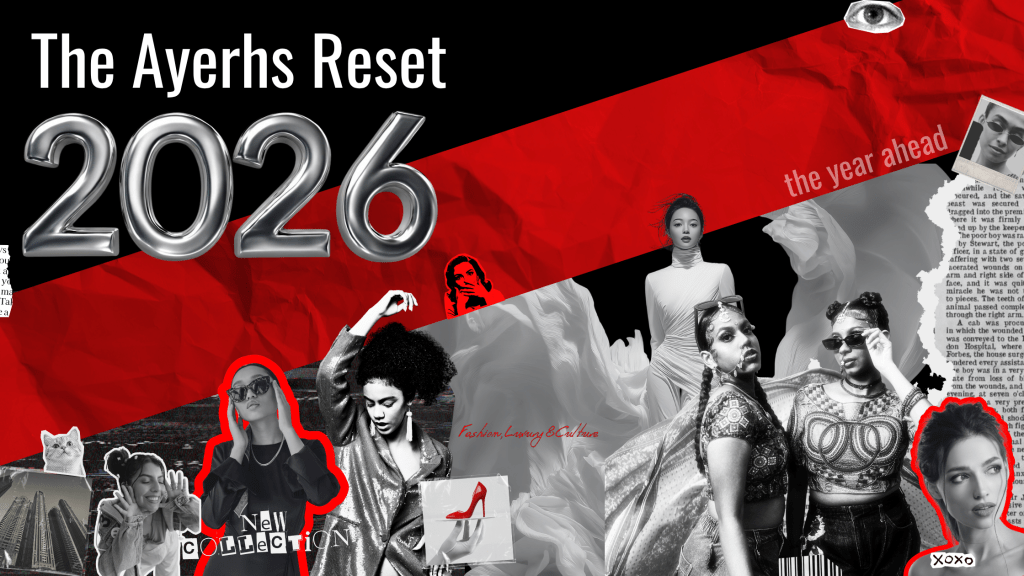
For the first time in a long time, fashion doesn’t feel like it’s telling us what to do—it’s asking who we are. The rules, the must-haves, the endless “what’s in and what’s out” lists? They’re losing power. In 2026, style has stopped being about following trends and started being about finding your own rhythm.
This year, individuality is the statement. Style is personal again. And that might just be the most refreshing shift fashion has seen in years.
The Great Reset
The past few seasons were filled with contradictions—micro-trends that came and went in months, entire “aesthetics” that lasted a week online, and the pressure to constantly keep up. It was exhausting.
So, 2026 is quietly rebelling. We’re done with fashion that feels like homework. The mood has changed from “What’s trending right now?” to “What actually feels like me?”
Designers, stylists, and consumers alike are embracing something more grounded: individuality. Not in a loud, performative way, but in a calm, confident, I-know-what-I-like kind of way.
From Trends to Truth
Fashion used to be about belonging—about wearing what everyone else was wearing so you didn’t fall behind. But now, belonging looks different. It’s not about fitting in; it’s about standing comfortably in your own lane.
The most stylish people in 2026 aren’t following the same Pinterest boards—they’re creating their own visual language. They’re mixing vintage with designer, high street with heirlooms, sneakers with suits, sequins with sweats. They’re not asking for permission—they’re dressing with intention.
This move toward individuality isn’t about rejecting fashion altogether—it’s about reclaiming it. You can still enjoy trends, but you wear them your way. You interpret, not imitate.
Why This Shift Matters
Fashion is deeply emotional. The clothes we wear influence how we move through the world—how we show up, how we express ourselves, how we feel. When we stop chasing trends, we give ourselves space to rediscover that emotional connection.
Individual style also happens to be more sustainable. When you’re not constantly cycling through what’s “in,” you buy less and wear more. You start investing in pieces that hold meaning and last. In a world that’s rethinking consumption, that’s real progress.
And beyond the environmental side, there’s something powerful about dressing with self-awareness. You’re no longer chasing an identity through clothes—you’re reflecting one.
Style in 2026 Feels Personal
This year’s runways—across Paris, Milan, and New York—showed less uniformity and more freedom. Designers leaned into personality: eclectic layering, unexpected pairings, and subtle nods to individuality. The result? Fashion that feels lived-in, human, and attainable.
Even street style has changed. Gone are the days of everyone wearing the same influencer-approved outfit. 2026’s street style looks are more spontaneous—less curated, more real. Someone’s vintage shirt, another’s reworked jeans, a hand-me-down jacket styled like a statement piece. There’s a charm in the imperfection, a beauty in the mix.
How to Build Individual Style in 2026
The good news? You don’t need to start over or spend a fortune. Building your own style this year is about awareness, creativity, and confidence.
1. Know What You Love (and Why)
Start by identifying the pieces that make you feel like yourself. Maybe it’s a certain silhouette, a fabric, or a color. Ask why you love it. When you understand that, you start building a wardrobe that reflects you, not the algorithm.
2. Keep What Feels Right, Let Go of the Rest
Go through your wardrobe with honesty. If something no longer feels like you—or never really did—let it go. Style is evolution. Holding onto clothes that belong to an older version of you only clutters your confidence.
3. Experiment, But Make It Yours
Trends aren’t the enemy—they’re just not the goal. If you like something that’s trending, find your version of it. Maybe balloon pants are everywhere, but yours are denim. Maybe everyone’s into preppy, but you mix it with streetwear. The point is to translate, not copy.
4. Play With Proportion and Texture
Personal style often shows up in the details. Mix structured with soft, casual with tailored, matte with shine. Pair opposites until something clicks. The best outfits feel slightly unexpected—but completely natural once you put them on.
5. Make Meaning Your Signature
Whether it’s a vintage piece, something handmade, or something you’ve had for years—give your style roots. Meaning adds weight to what you wear. It turns clothes into stories.
The End of “It”
2026 doesn’t have an “it” bag, an “it” shoe, or an “it” girl. It has individuality. The new aspiration isn’t sameness—it’s substance.
The most stylish people today aren’t trendsetters—they’re self-setters. They know what works for them and stick with it. They repeat outfits. They mix old and new. They care about how something feels, not just how it photographs.
And that’s what makes this new era of fashion exciting—it’s not about being first. It’s about being real.
Dressing as Self-Expression
Dressing for yourself doesn’t mean dressing without thought. It means dressing with your thoughts.
If fashion once encouraged us to fit a mold, 2026 is reminding us to make our own. Style is becoming less about external validation and more about internal connection. It’s what you reach for on instinct. It’s what makes you feel grounded. It’s what carries you through the day.
When you start dressing from that place, everything changes. Clothes stop being costumes and start being extensions of who you are.
The Freedom of Individual Style
What’s beautiful about this new direction is that it’s freeing. You no longer need to chase relevance—it’s already within you.
You can wear last year’s trends, your mother’s blazer, your favorite thrift find, or a custom piece no one else has. It doesn’t matter. The only thing that matters is that it feels true.
Because style, at its best, has always been about self-expression—not conformity. And in 2026, that truth has finally taken center stage.
So, wear what feels like you. Repeat the outfits you love. Dress for the life you’re living, not the one Instagram says you should have.
 Ayerhs Magazine