
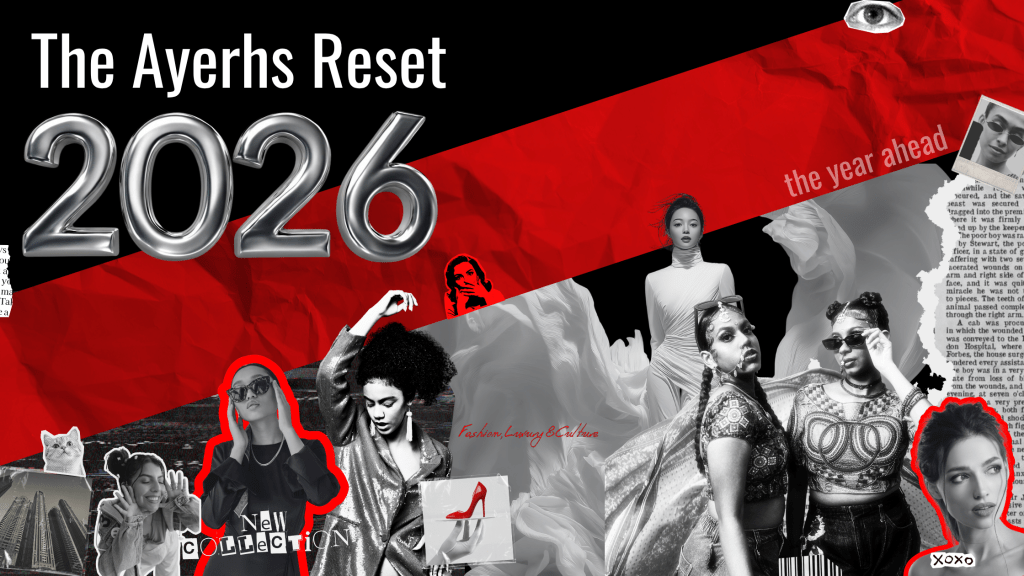
For a while, the fashion industry ran on algorithms. Designers, brands, and even creative directors seemed trapped in a cycle of viral trends, influencer collaborations, and internet-fueled micro-moments. The goal was visibility, not necessarily vision. But as we step into 2026, there’s a noticeable shift happening across the industry. The spotlight is swinging back to what truly built fashion’s cultural capital in the first place: integrity, craftsmanship, and ideas that outlive a trending sound.
This isn’t nostalgia for the “good old days” of couture or a rejection of digital culture. It’s a recalibration. After years of digital chaos, designer integrity is becoming the new metric of success.
The Burnout of Digital Hype
Fashion’s digital era exploded between 2018 and 2024, fueled by Instagram aesthetics and TikTok virality. Designers were forced to think like content creators. Clothes had to move fast, photograph well, and grab attention in less than ten seconds. The rise of “core” culture — from cottagecore to clean girl to mob wife — turned fashion into a hashtag economy.
But by 2025, audiences started tuning out. The fatigue was real. The same silhouettes, styling formulas, and influencer-led campaigns began to feel empty. The algorithm that once promised discovery began recycling the same looks over and over. Consumers, especially Gen Z, who were once the biggest drivers of this digital churn, began craving something slower, more sincere, and more connected to human creativity.
A quiet rebellion started forming. Instead of the next viral drop, people wanted to know the story behind what they wear. Instead of collaborations built for clicks, they looked for collections that felt cohesive, thoughtful, and rooted in a clear point of view.
The Designer’s Voice Returns
What’s happening in 2026 feels like a reassertion of authorship. Designers are taking back the creative steering wheel. After years of bending to market trends or content metrics, many are once again designing for emotion and expression rather than engagement.
This doesn’t mean going off-grid. It means using digital platforms more intentionally. Designers like Matthieu Blazy at Bottega Veneta, Marine Serre, and The Row have set the tone. They’ve shown that you can be relevant without being loud. Their work focuses on material innovation, timeless construction, and consistent storytelling that evolves season after season.
Even newer labels are following this ethos. The upcoming generation of designers isn’t chasing virality. They’re studying form, heritage, and sustainability, then blending those influences with contemporary ideas. Their goal is not to “go viral” but to “build longevity.”
It’s also why you’ll see smaller collections, quieter shows, and more studio-based storytelling taking over 2026. Creativity is being valued for its integrity again, not just its shareability.
Consumers Are Growing Up Too
One major reason behind this shift is consumer maturity. The same Gen Z audiences that once obsessed over micro-trends are now entering careers, earning their own money, and questioning what it really means to consume meaningfully. They’re tired of feeling like walking billboards for the internet.
A 2025 McKinsey report found that over 60% of Gen Z shoppers now prefer brands that reflect their personal values over those that dominate their feeds. That’s a huge cultural pivot. It signals that digital visibility no longer equates to cultural authority. What resonates now are consistency, ethics, and authenticity — things that can’t be faked through filters or sponsored posts.
This change is visible across all levels of fashion. The resale market is still thriving, but not for the same reasons it did in 2020. It’s no longer just about affordability or flipping limited-edition sneakers. It’s about owning pieces that tell a story or hold lasting value. Consumers are hunting for garments that represent artistry, not algorithms.
The Fall of the “Content-First” Brand
If 2020s fashion had a motto, it might’ve been “content is king.” But in 2026, that statement feels outdated. Many brands that built their entire identity on social media aesthetics are struggling to maintain relevance. Their storytelling often feels repetitive, and without creative depth, digital noise can only go so far.
Meanwhile, heritage brands that once seemed too slow or too traditional are suddenly back in favor. Houses like Hermès, Loewe, and Margiela are seeing a renewed cultural moment precisely because they’ve never compromised their core philosophies. They’ve adapted to digital tools but never surrendered their design language to them.
The success of brands that balance restraint with creativity is shaping the new business playbook. The industry is realizing that long-term brand equity is built through integrity, not internet traffic.
The New Definition of Influence
In the age of digital hype, influence was measured by numbers — followers, likes, reach. But in 2026, influence is becoming about depth. It’s not who shouts the loudest; it’s who shapes taste, sets new standards, and inspires thought.
Designers and brands with a clear philosophy are gaining quiet but powerful traction. The industry’s most influential figures today are often those who create from conviction. They aren’t trying to please everyone. They’re speaking to a smaller, more engaged audience that values creativity as a cultural contribution, not just as a commercial product.
This redefinition of influence also explains why fashion criticism is making a comeback. People want nuanced takes again. They want to read or watch content that dissects design choices, not just haul videos or trend lists. In this sense, 2026 feels intellectually alive — as if fashion is reclaiming its role as both art and dialogue.
Fashion’s New Relationship With Technology
Interestingly, this renewed focus on integrity doesn’t mean fashion is rejecting technology. Quite the opposite — it’s learning how to use it more mindfully. The rise of AI design tools, digital tailoring, and virtual prototypes has made production more efficient, but designers are setting clearer creative boundaries.
The new generation is asking, “Where does human intuition fit in?” AI might help optimize silhouettes or predict demand, but emotional storytelling still comes from lived experience. That’s what separates design from data.
We’re also seeing a push toward digital transparency. Blockchain-backed garment histories, for instance, are helping consumers trace where materials come from and how products are made. This tech-driven accountability actually strengthens integrity instead of diluting it.
The Role of Education and Mentorship
Another sign of fashion’s shift toward integrity is visible in design education. Top schools like Central Saint Martins, Parsons, and Istituto Marangoni are reframing how they teach creativity. The emphasis is now on critical thinking, sustainability, and storytelling instead of just trend prediction or brand-building.
Young designers are being encouraged to develop a personal philosophy, not just a portfolio. Mentorship is also making a comeback in a more modern form — senior designers collaborating with emerging voices to pass down both technique and mindset.
This cultural reset feels less like a rejection of progress and more like a grounding moment. The digital wave democratized fashion, but now, it’s being balanced by an appreciation for depth and discipline.
Why Integrity Wins in the Long Run
Integrity might not be as flashy as viral fame, but it builds something more powerful — trust. And in a world where consumers are increasingly skeptical, that trust is gold. Brands that remain consistent in their message and craftsmanship create emotional loyalty. They attract not just buyers but believers.
Moreover, designer integrity has become a competitive advantage. In a market flooded with content, authenticity cuts through the noise. It’s what gives a brand longevity when trends fade and algorithms change.
We’re entering a phase where quality will once again outlast quantity, and where artistry feels like the real currency of relevance.
Looking Ahead
As 2026 unfolds, fashion’s most exciting stories won’t come from viral moments or digital experiments. They’ll come from designers who are rediscovering their creative core. From brands that prioritize craftsmanship over content calendars. From consumers who are learning to value patience, purpose, and permanence in what they wear.
The industry is not abandoning the digital world — it’s maturing within it. The next era of fashion isn’t about choosing between creativity and technology, but about integrating the two in a way that honors human imagination.
In the end, designer integrity is not a trend. It’s a correction, a cultural response to years of digital overload. It’s the industry remembering that while hype fades, vision lasts.
 Ayerhs Magazine