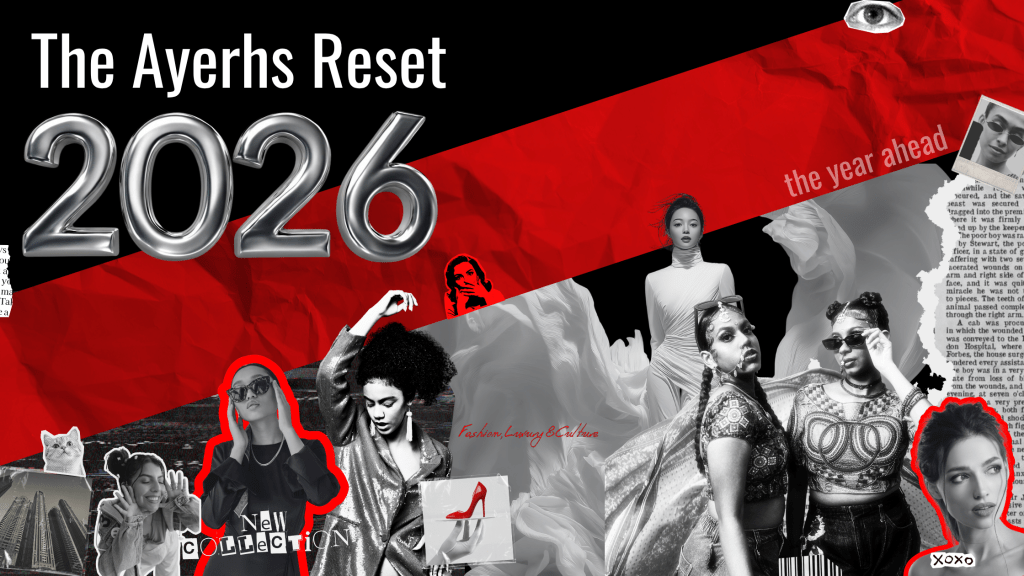
Influence has always been currency. But in 2026, it’s being revalued. The creator economy that once ran on likes, trends, and collaborations is being rewritten in real time. The algorithms are shifting, audiences are smarter, and the meaning of “influence” is no longer about who shouts the loudest but who shows up most authentically. The digital world is entering a new era of influence—one that’s quieter, more intentional, and deeply rooted in trust.
Let’s break down what’s changed, what’s working, and what it really takes to stay influential in 2026.
From Popularity to Purpose
Not long ago, influence was all about reach. The more followers you had, the more valuable you were. But the landscape has changed drastically. In 2026, brands and audiences have realized that big numbers don’t always mean big impact. Engagement has matured. Micro and niche creators are proving that smaller, more loyal communities outperform wide, passive audiences.
Creators who stand for something—social, creative, or cultural—are the ones leading conversations. It’s not about promoting everything; it’s about aligning with what feels real. The followers of 2026 are value-driven. They’re looking for voices that mirror their worldview or challenge it thoughtfully.
Think of it like this: the influencer is now part educator, part curator, part community-builder. It’s not just aesthetics anymore. It’s what you stand for, and how that translates into consistent, honest storytelling.
Authenticity Isn’t a Trend Anymore
“Be authentic” used to be an overused buzzword. Now it’s a baseline expectation. The difference is that in 2026, authenticity is measurable. With audiences using AI-powered discovery tools and platforms prioritizing genuine engagement over inflated metrics, fake followers and performative transparency have lost their edge.
Real stories, imperfect moments, and grounded opinions win. The most followed creators aren’t necessarily the most polished—they’re the most trusted. When a creator shows up consistently, shares how they really think, and creates content that feels alive rather than filtered, that’s what resonates.
The internet has grown allergic to over-curated narratives. That perfect morning routine with the matching ceramic mugs and sunlight filters? It feels dated. What’s fresh now is showing the mess behind the art, the work behind the vision. Digital influence is no longer about being aspirational—it’s about being relatable without losing aspiration altogether.
Influence Is a Two-Way Street
Gone are the days when creators spoke to their followers. In 2026, they speak with them. Audiences don’t want to be preached at; they want to participate. Community-led content is shaping this new phase. Creators are co-creating with their followers, taking feedback, running polls, and involving them in the creative process.
Even major brands have shifted toward this model. Campaigns now launch with pre-community involvement—crowdsourced designs, audience voting, and open product testing. People want to feel ownership in the brands and creators they support.
This two-way relationship builds emotional equity. When followers feel like they have a voice, loyalty becomes organic. They’re not just scrolling; they’re investing in something that feels personal.
The Platform Shift
Every major social platform in 2026 has evolved—or been disrupted. TikTok, after years of dominance, has become more creator-commerce focused. Instagram has rebranded its Reels ecosystem around credibility, not virality. And the fastest-growing platforms aren’t social media apps at all—they’re community networks.
Spaces like Geneva, Discord, and newer decentralized creator hubs are where loyal communities gather. These micro-environments are intimate, controlled, and free from algorithmic chaos. Here, influence is smaller in scale but higher in depth.
At the same time, long-form content is making a comeback. With short-form fatigue setting in, audiences are turning back to newsletters, podcasts, and thoughtful video essays. The attention economy is fragmenting, and creators who can sustain engagement over time—not just seconds—are becoming the true power players.
Algorithm-Proofing Your Influence
One of the biggest lessons from the last few years is that algorithms can’t be trusted. The unpredictable rise and fall of visibility has forced creators to diversify their digital homes. In 2026, successful creators don’t rely on one platform. They treat their digital presence like a portfolio.
Owning your audience—through newsletters, communities, or private channels—has become essential. It’s the difference between being platform-dependent and platform-independent.
Creators are realizing that control equals sustainability. If a platform changes its rules overnight (as they often do), their influence should still stand. That’s why we’re seeing more creators focus on building ecosystems instead of feeds. Think content that lives across formats: a video that becomes a blog post, which turns into a podcast snippet, which links back to a community discussion.
In short, influence is no longer about chasing algorithms—it’s about outlasting them.
The Commerce Connection
Influence and commerce have always been connected, but 2026 has turned it into a symbiotic relationship. The traditional influencer-brand partnership has evolved into creative collaboration. Instead of one-off deals, brands are co-building with creators—designing capsules, shaping campaigns, and sharing revenue.
The result is a more transparent and equitable model. Creators aren’t just marketing channels; they’re business partners. And audiences can sense that shift. They know when a collaboration is genuine and when it’s just transactional.
Social commerce has matured as well. The rise of direct-to-community sales means that creators are launching their own micro-brands, merch lines, and digital products directly within their networks. The creator of 2026 is both an artist and an entrepreneur. The future of influence is deeply tied to ownership.
Privacy, Ethics, and the “Quiet Influence” Movement
As much as 2026 is about visibility, it’s also about boundaries. Digital burnout, algorithm anxiety, and the constant demand to produce have pushed many creators to redefine what sustainable influence looks like.
Enter the “quiet influence” movement—creators who deliberately choose slower growth, smaller audiences, and healthier engagement. They prioritize depth over visibility and community over clout. Their power lies in intimacy.
At the same time, ethical influence is becoming a serious conversation. Creators are expected to disclose AI use, brand affiliations, and sustainability practices. Transparency is no longer optional—it’s foundational. Audiences are quick to call out inconsistency, and trust once broken is almost impossible to rebuild.
This shift has also sparked a new kind of digital minimalism. Fewer posts, more meaning. Less noise, more nuance. The creators who can master this balance are the ones defining the new digital ethos.
AI as a Creative Partner, Not a Threat
Artificial intelligence has changed how influence operates, but not in the way many feared. Instead of replacing creativity, AI in 2026 has become a tool for amplification. It’s helping creators analyze audience behavior, personalize experiences, and streamline production without losing authenticity.
Smart creators use AI to enhance storytelling, not automate it. They’re integrating data without letting it dictate every move. The human voice remains central.
What’s fascinating is how audiences are responding to this blend of tech and emotion. AI-assisted content creation is accepted as long as the creator’s intent is clear. The influence that matters is still built on human perspective—the algorithm can help polish it, but it can’t replace it.
The Rise of Digital Legacy
Perhaps the most overlooked part of influence today is legacy. In the fast-turning digital world, creators are beginning to think long-term. What does it mean to have a digital footprint that lasts? What happens when trends fade but values remain?
Influence in 2026 is about longevity. The creators who endure are the ones who think like cultural archivists—documenting, evolving, and creating bodies of work that hold meaning beyond likes. They understand that digital fame is fleeting, but digital legacy is built with intention.
This is why storytelling, not content, has become the cornerstone of digital influence. Creators aren’t just sharing updates—they’re building narratives that connect across time.
The Future of Influence Is Human
The rules of digital influence in 2026 aren’t about hacking growth or chasing virality. They’re about reclaiming creativity, building connection, and owning your digital identity.
The most powerful influencers of this era are the ones who blur the line between creator and community, brand and believer, digital and real. They’ve realized that influence isn’t something you earn once and keep—it’s something you maintain through honesty, adaptability, and empathy.
In a world saturated with content, the new power lies in meaning. The influencer who thrives in 2026 won’t be the loudest, richest, or trendiest. They’ll be the one who can make people feel something real in a space that often feels synthetic.
That’s the new rule of influence: stay human in a digital world that’s constantly evolving. And in that simplicity lies the new power.
 Ayerhs Magazine