
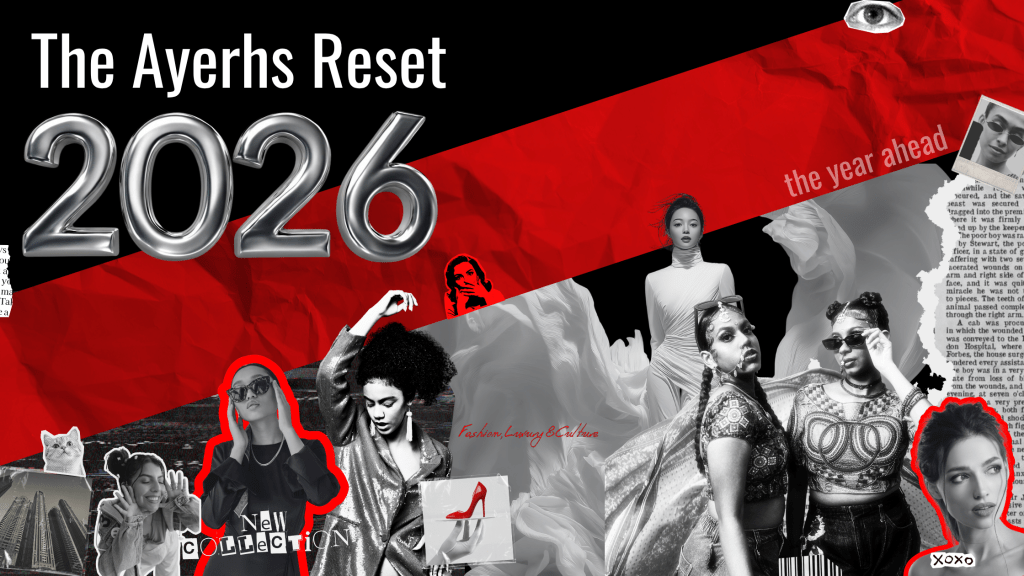
Luxury used to mean excess. Think private jets, glossy handbags, limited editions that screamed exclusivity, and experiences that felt designed to show off rather than slow down. But in 2025, the meaning of luxury is changing. The new luxury playbook is not built on logos or scarcity; it is built on craft, culture, and conscious growth. The next generation of consumers is rewriting the rules, redefining success for brands, and demanding something deeper from the industry.
The Shift: From Possession to Perception
Luxury has always been about signaling. In the past, it was about signaling wealth. Today, it is about signaling awareness. Young consumers no longer want to be seen as consumers of excess but as curators of meaning. A luxury purchase, then, becomes a statement of identity rather than indulgence.
Take how Gen Z approaches fashion. They care about the story behind a piece. Who made it? Where were the materials sourced? Is it timeless enough to last for years? These questions aren’t marketing talking points anymore—they are non-negotiables. Luxury brands are realizing that craftsmanship and conscience are the new currencies of desirability.
Even the biggest players are pivoting. Hermès and Loewe lean heavily into artisanal roots, where the tactile process of making feels as valuable as the product itself. Bottega Veneta’s rise under Matthieu Blazy shows how a brand can be both understated and aspirational—luxury without shouting.
Craft as the Core
In an age where everything feels automated, craft is rebellion. It slows time down. It values precision, patience, and human touch. This resurgence of craftsmanship is not just aesthetic; it is emotional. People want to connect with the process, not just the product.
Luxury brands are re-centering the maker as the hero. Dior’s “Ateliers” series, Loewe’s “Craft Prize,” and Bode’s focus on vintage techniques celebrate craftsmanship as art. These narratives restore authenticity at a time when digital sameness floods the market.
But there’s also a modern twist. Technology is becoming an ally to craft, not its enemy. Brands like Loro Piana and Brunello Cucinelli are experimenting with materials that merge nature and innovation—think biodegradable cashmere blends or traceable wool. Craft, in this context, doesn’t mean nostalgic tradition; it means refinement through evolution.
For younger audiences, this kind of craftsmanship feels like slow luxury. It is quiet, considered, and conscious. A handwoven textile, a hand-stitched loafer, or even a minimalist perfume formula can now embody the same allure once held by diamonds.
Culture as Context
Luxury today cannot exist in isolation. Culture gives it meaning, direction, and relevance. The most interesting brands are those that understand how to be part of cultural conversations without forcing it.
Consider how brands like Telfar or Jacquemus operate. They’ve built communities, not just customers. Their approach is cultural first, commercial second—and that’s exactly why it works. They blur the lines between art, lifestyle, and fashion. The result? A sense of belonging that traditional luxury brands are still trying to replicate.
Luxury’s relationship with culture is also becoming more diverse and decentralized. It’s not just Paris or Milan dictating what’s “in.” Seoul, Lagos, Mumbai, and Mexico City are equally influential in shaping global aesthetics. Brands are no longer looking down from ivory towers; they’re collaborating across geographies and genres.
A good example is Louis Vuitton under Pharrell Williams. His direction taps into global culture with confidence—music, art, streetwear, and heritage all collide to create something that feels modern yet deeply rooted. The message is clear: luxury is not about exclusivity anymore, it’s about cultural fluency.
Conscious Growth over Fast Expansion
Luxury once equated growth with expansion—more stores, more products, more collections. But that mindset doesn’t align with the sustainability and authenticity younger consumers value. Conscious growth is replacing fast expansion, where depth matters more than scale.
Brands like The Row, Gabriela Hearst, and Khaite embody this philosophy. Their approach is controlled and consistent. They release fewer products, maintain tight production lines, and prioritize quality over hype. Their growth is deliberate, not explosive.
This slower approach aligns with how consumers are thinking, too. There’s growing fatigue around trends and limited drops that vanish overnight. People are more interested in products that endure emotionally and physically. The “buy less but better” mentality is no longer niche—it’s mainstream.
Luxury brands that embrace conscious growth also have to rethink success metrics. Instead of chasing quarterly spikes, they are building for longevity—what LVMH’s Bernard Arnault once described as “permanence in relevance.” That means investing in storytelling, customer relationships, and sustainable innovation instead of sheer output.
The New Consumer Mindset
The new luxury consumer is not just younger; they are sharper, more informed, and more values-driven. They don’t want to be sold to; they want to be engaged with. They are digital natives who can spot inauthenticity instantly.
What they truly crave is coherence—when a brand’s message, materials, and mission align. They are comfortable mixing luxury with streetwear, vintage with couture, and sustainability with indulgence. In short, they don’t follow the old hierarchies of taste; they create their own.
This generation also sees luxury through an experiential lens. It’s not about owning the product but living the feeling. That might mean attending a niche exhibition, exploring a local craft studio, or participating in a creative community online. Brands that curate such experiences—rather than just products—are finding deeper loyalty.
Digital Luxury: Craft Meets Code
While luxury is returning to its artisanal roots, it’s also embracing technology in unexpected ways. Digital craftsmanship is becoming as respected as traditional artistry. Virtual experiences, limited NFT drops, and immersive storytelling aren’t gimmicks—they’re part of how the next generation interacts with brands.
But the key difference now is subtlety. The hype era of NFTs is over. Digital luxury today is about integration, not spectacle. Brands like Prada and Gucci are building quiet digital ecosystems that extend the experience without diluting it. From digital wardrobes in gaming to AI-assisted design processes, the future of craft might just be hybrid.
This merging of physical and digital has given rise to a new creative language. It values transparency and traceability, where blockchain tech can verify the authenticity of a luxury item, and AI tools help preserve ancient craft techniques digitally. The intersection of tech and tradition is no longer contradictory—it’s collaborative.
The Rise of Emotional Luxury
Luxury in 2025 isn’t just aesthetic—it’s emotional. It taps into how people want to feel: calm, grounded, connected. The chaos of the digital age has made serenity a new form of status. Quiet luxury reflects this emotional shift. It’s not just about minimalism but about emotional clarity.
You see this in fashion’s move toward tactile materials, soothing color palettes, and unbranded silhouettes. Brands are designing not just for appearance but for emotion. It’s a luxury that doesn’t need validation.
This emotional luxury extends to lifestyle too. From slow travel to wellness retreats to sustainable interior design, people are chasing experiences that restore them, not exhaust them. The luxury industry is responding by becoming softer, more introspective, and more attuned to the inner lives of its customers.
Rewriting the Luxury Code
If the old luxury was about aspiration, the new one is about alignment. It’s not about wanting what others have but choosing what resonates personally.
The next decade of luxury will be defined by how well brands balance three forces: craft, culture, and consciousness. Craft ensures authenticity, culture ensures relevance, and consciousness ensures longevity. Together, they form a sustainable ecosystem for modern desirability.
Luxury brands that thrive will not be the loudest but the most consistent. They will build with care, not speed. They will understand that scarcity is no longer about supply but about intention—creating fewer, better things that hold meaning.
Looking Ahead
The luxury playbook is no longer written by the few. It is co-authored by a global, hyper-aware audience that values purpose over price. As sustainability merges with creativity, and technology enhances craftsmanship, we are entering a new era where luxury feels more human than ever.
The new luxury isn’t about escaping reality; it’s about elevating it. It’s a conscious choice to value what is made well, what is rooted in culture, and what grows with purpose. That’s the kind of luxury that lasts—not because it’s rare, but because it’s real.
 Ayerhs Magazine