
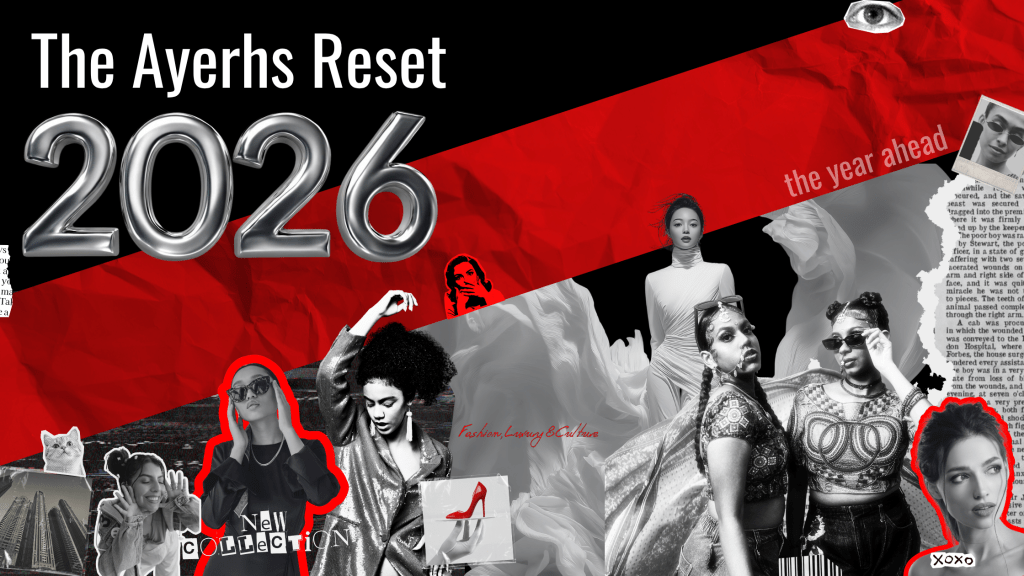
In a world oversaturated with options, aesthetics, and marketing noise, what makes a brand truly stand out? It’s no longer just a sleek logo, a clever slogan, or even a great product. The new cultural capital is identity. The brands shaping the 2026 landscape are those that know who they are, what they stand for, and how that identity connects to a generation that values meaning over perfection.
Identity has always mattered in branding, but never quite like this. Today, Gen Z and young millennials are rewriting the rules of what influence looks like. They’re not just buying into brands—they’re buying into belief systems, into reflections of themselves. Authenticity, transparency, and purpose have replaced prestige, mystery, and exclusivity as the new markers of desirability.
So what happens when a brand’s strongest selling point is its identity? Let’s break down why cultural capital has become the most valuable currency in modern branding—and how it’s reshaping the way brands, creators, and consumers interact.
The Shift from Products to Personalities
Once upon a time, brands were defined by what they sold. A perfume, a handbag, a sneaker. Now, they’re defined by who they are and what they represent. People no longer follow a brand for its latest drop; they follow it because its values align with theirs.
Nike doesn’t just sell athletic wear—it sells empowerment and perseverance. Glossier doesn’t just sell beauty products—it sells community and confidence. Patagonia doesn’t just sell outerwear—it sells environmental accountability.
In this new economy, identity has replaced exclusivity as the ultimate form of aspiration. Gen Z in particular seeks belonging through brands that reflect their worldview. According to McKinsey’s research, this generation sees consumption as a means of self-expression—the brands they wear, share, and support are extensions of their personalities.
This means a brand’s ability to connect emotionally and culturally matters more than its price tag or even its performance. It’s not about what you make anymore; it’s about who you are while making it.
The Rise of “Cultural Fluency”
To survive in 2026, brands must be fluent in culture—not just aware of it. Cultural fluency is about knowing when to speak, what to say, and how to contribute meaningfully to larger conversations.
The most successful brands today act like people. They understand the nuances of humor, timing, and social awareness. They can comment on pop culture, support causes without sounding performative, and collaborate with creators in ways that feel organic.
Think about how Jacquemus turns fashion shows into digital art performances or how Telfar redefines luxury through accessibility. Both brands have mastered the art of cultural fluency—they don’t chase trends; they create movements.
This fluency also requires humility. The internet moves fast, and authenticity is a fragile currency. Brands that try too hard to belong are quickly called out. Consumers can spot a disingenuous post or a forced partnership instantly. The new cultural elite are those who move intuitively with the times while staying true to their essence.
When Brands Become Mirrors
Identity-driven branding works because it reflects what people already believe or aspire to become. The modern consumer is no longer looking for a brand to tell them who they should be—they’re looking for a brand that understands who they already are.
This creates a mirror effect. People project their own narratives onto the brands they love, while brands reflect those identities back in their content, imagery, and collaborations.
Take Aime Leon Dore, for example. The brand’s storytelling feels deeply personal—nostalgic yet current, New York yet global. Its aesthetic mirrors a generation that values both heritage and reinvention. It’s not selling just clothes; it’s selling an emotion, a sense of belonging to a world that feels familiar yet aspirational.
In this new paradigm, a brand’s cultural power comes not from dictating trends, but from co-creating meaning with its audience. The line between brand and consumer blurs, forming communities rather than customer bases.
The Business of Belonging
Identity-driven branding isn’t just a creative movement—it’s a strategic advantage. Brands with strong cultural identities build loyalty that outlasts hype cycles. When your customers feel emotionally aligned with you, they become advocates, not just buyers.
In this sense, belonging has become a form of brand equity. The most successful companies in 2026 are building ecosystems of meaning where consumers feel seen, represented, and included.
Community-led marketing has become a central strategy. From Discord servers and niche TikTok circles to limited-edition collaborations and pop-up experiences, brands are creating spaces that feel intimate, human, and inclusive.
This is particularly true for emerging brands and independent creators. Without big budgets, identity becomes their biggest advantage. Being authentic, relatable, and culturally relevant can do what traditional advertising cannot: build trust.
And trust, in today’s economy, is priceless.
Identity as a Form of Innovation
We often talk about innovation in terms of technology—AI, materials, logistics—but identity is innovation too. The most interesting brands today innovate through culture, not just product design.
When a brand dares to tell a new story or challenge cultural norms, it expands the industry’s imagination. Think of how Marine Serre infused sustainability with subversive aesthetics, or how Fear of God blurred the lines between luxury and streetwear. Both didn’t just create products; they redefined what fashion could represent.
This is why identity has become the strongest brand asset—it drives creativity, dictates design, and builds emotional value that can’t be replicated. While products can be copied, identity cannot.
Brands that understand this shift are rethinking how they show up. They’re less focused on seasonal campaigns and more focused on long-term cultural impact. They build archives, not just collections. They think in eras, not seasons.
The Identity Trap
Of course, identity-driven branding isn’t without risk. When everything revolves around personality and values, misalignment can be catastrophic.
We’ve seen brands face backlash for performative activism or inconsistent messaging. Consumers today expect transparency, and when a brand’s actions don’t match its identity, trust evaporates quickly.
There’s also the challenge of constant reinvention. Culture moves fast, and staying relevant without losing authenticity is a balancing act. Brands that over-extend their identity risk becoming caricatures of themselves.
The solution lies in clarity. A strong identity doesn’t mean saying yes to every trend or conversation. It means knowing when to stand firm and when to evolve. Brands with deep-rooted values can adapt naturally because their core truth remains intact, even as the world shifts around them.
The Creator Economy’s Influence
Part of why identity matters so much now is because of the rise of creators. The influencer era evolved into the creator economy, where individuals themselves are brands—with distinct identities, aesthetics, and philosophies.
Creators have taught consumers to expect personality and transparency. They’ve also taught brands that authenticity can’t be manufactured. People engage with creators not because they’re perfect, but because they’re real, relatable, and consistent.
This has changed the standards for brands. Corporate voices now sound human. Marketing feels like conversation. The old separation between “us” (the brand) and “them” (the audience) is disappearing.
As creators increasingly collaborate with brands, the exchange goes both ways. Creators borrow credibility, while brands borrow cultural currency. The result is a new kind of partnership—one built not just on exposure, but on shared identity.
Building the Future: Identity as Legacy
So what does the future look like for brands that want to build with identity at the center? It means thinking beyond visuals and slogans. Identity is a living system—it shows up in how a brand hires, communicates, collaborates, and evolves.
It’s in the tone of voice, the consistency of values, the design language, and even the silence between product drops. It’s in the ability to adapt without losing self-awareness.
The brands that will last are those that approach identity as both art and strategy. They’ll treat culture as a collaborative process, not a trend report. They’ll understand that cultural capital isn’t bought through marketing—it’s earned through meaning.
The Takeaway
In 2026, the brands shaping culture aren’t the loudest, richest, or most polished. They’re the most self-aware. They know who they are, why they exist, and how they fit into people’s lives beyond the product.
Identity has become the new cultural capital because it humanizes commerce. It turns consumption into connection, marketing into meaning, and branding into storytelling.
When a brand knows itself deeply, it doesn’t just attract customers—it builds believers. And in a world of constant change, that kind of belief is the most enduring asset of all.
 Ayerhs Magazine