
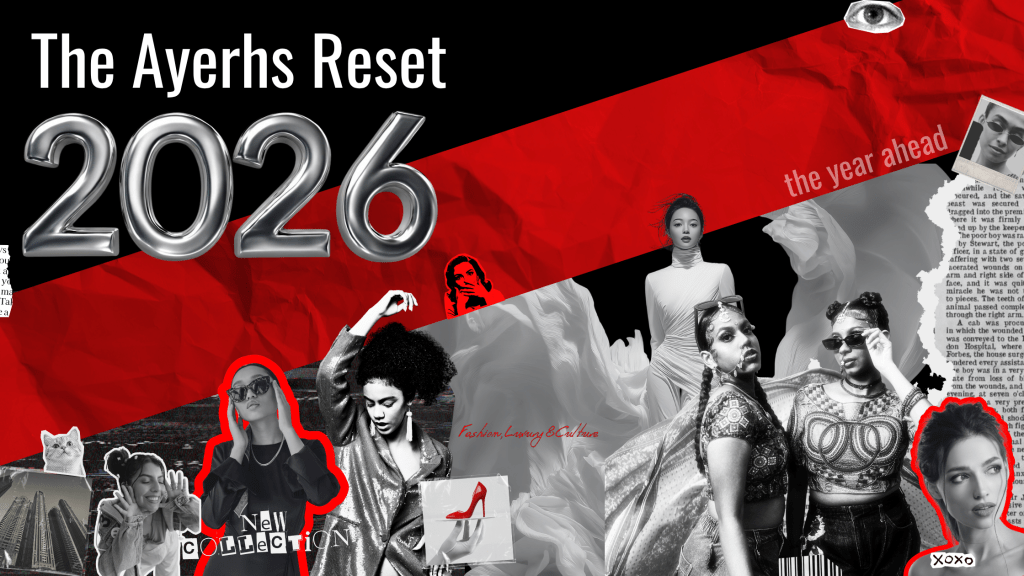
In today’s economy, connection has become the new currency. Brands are no longer just selling products or services—they’re selling belonging. The idea that companies can cultivate a community rather than chase customers is not only reshaping how businesses grow but also redefining what loyalty, identity, and influence mean in the digital age. The future of commerce isn’t about customer acquisition; it’s about emotional retention.
From Consumers to Participants
For years, marketing was built around the idea of the consumer as an end point—a person who buys something and leaves. But now, people don’t want to just consume; they want to participate. Gen Z, in particular, has grown up in a world where the lines between creator, customer, and community member are blurred. They expect brands to engage, listen, and evolve with them.
Think about how fandoms operate. Whether it’s skincare enthusiasts on Reddit or sneakerheads on Discord, these are not passive audiences—they are active ecosystems of shared identity. The same energy is now flowing into brand spaces. It’s no longer enough for a brand to say “buy from us.” The better question is: “Who do you become when you’re part of us?”
This shift marks a deep cultural change. Belonging gives people meaning, especially in a time when identity is constantly being redefined through digital spaces. Businesses that understand this aren’t just building customers; they’re building cultures.
The Emotional Economy
In the past, businesses competed on quality or price. Now, they compete on connection. The emotional economy is thriving because it offers something algorithms can’t replicate: human resonance.
Take brands like Glossier, Gymshark, or Liquid Death. None of them built their empires through traditional advertising. Instead, they cultivated communities that feel like collectives. Glossier didn’t just sell skincare—it sold the idea of “real people, real beauty.” Gymshark built an identity around fitness motivation and mutual support. Liquid Death built a cult around irreverence, proving that even canned water can feel like a rebellion.
These brands succeeded not because they had the best product, but because they made people feel part of something bigger. It’s belonging that keeps people coming back, not discounts or loyalty points.
When people feel emotionally connected to a brand, they become advocates rather than customers. They participate in the brand’s story. They create memes, start discussions, share experiences, and sometimes even defend the brand online. That level of engagement can’t be bought; it’s earned through authenticity and shared purpose.
The Rise of Micro-Communities
Community used to be about scale—more followers, bigger numbers, wider reach. But in 2026 and beyond, the real power lies in smaller, tighter micro-communities. These are intimate spaces where trust and conversation matter more than metrics.
Platforms like Geneva, Discord, and even Substack are fueling this transition. People want smaller, more meaningful interactions, away from the noise of traditional social media. They’re craving depth over reach, intimacy over virality.
For brands, this means thinking less like broadcasters and more like hosts. It’s about facilitating discussions, not dominating them. For example, brands like Parade (the inclusive underwear label) built loyalty by letting customers be part of product development discussions and brand direction. They invited people into the creative process. That sense of involvement turned regular buyers into collaborators.
Communities like these don’t just increase sales; they increase stickiness. When people invest emotionally in a community, they don’t just buy products—they buy into the purpose.
From Ownership to Participation
The traditional business model was transactional: money for goods. The new one is participatory: contribution for belonging.
This shift is visible in everything from the creator economy to Web3-inspired projects. People want to co-create with the brands they support, whether that’s through feedback loops, ambassador programs, or digital collaborations. The smartest brands are realizing that the best marketing doesn’t come from ads; it comes from members who feel seen.
This is why community-led brands often outperform traditional ones in retention and organic growth. They turn their audience into micro-influencers. When someone feels emotionally tied to a brand’s vision, they’re more likely to share it without being paid to. That’s the foundation of trust-based growth.
The Authenticity Factor
But let’s be honest: not every brand that claims to “build community” actually does. Many use the word as a marketing tactic without doing the real work. Building genuine belonging requires more than hosting events or creating online groups. It’s about consistency, transparency, and shared values.
Gen Z is especially good at spotting inauthenticity. They can sense when a brand’s “community” is just another way to collect emails or sell more stuff. True community-building requires vulnerability from the brand—it needs to show up as a participant, not a leader.
A good example of this is Patagonia. The brand doesn’t just talk about sustainability; it lives it. Its customers feel part of a mission that transcends clothing. The brand’s authenticity makes people feel proud to associate with it. That’s the kind of emotional capital that money can’t buy.
Community as a Growth Strategy
There’s a practical side to all this too. Communities are not just feel-good marketing—they’re strategic assets.
When brands invest in community, they gain real-time insight into customer needs. They can test ideas, get feedback, and identify trends faster than traditional market research ever could. Communities also drive retention and reduce churn, since people are less likely to leave something they feel emotionally connected to.
Moreover, communities create network effects. Every new member adds value to others, whether through shared knowledge, creativity, or energy. This makes the brand stronger without increasing marketing spend.
Nike’s running clubs are a great example. They turn individual runners into a global movement. Members don’t just buy sneakers—they join a lifestyle that reinforces Nike’s brand ethos. The result? Increased engagement, higher retention, and a self-sustaining ecosystem that keeps growing organically.
The Future of Community-Led Brands
Looking ahead, the business of belonging will define the next era of brand building. The future belongs to companies that act more like collectives than corporations.
In this model, leadership is distributed. The community drives the narrative. The brand becomes a facilitator of connection, not the center of attention. Success is measured in engagement, trust, and advocacy—not just sales.
This also means the future marketing team might look very different. Instead of focusing on campaign strategy, they’ll focus on community management, digital intimacy, and cultural listening. The most valuable skill won’t be content creation but connection cultivation.
Even luxury brands are catching on. The idea of exclusivity is being redefined—not as elitism, but as intimacy. Communities like those formed around Acne Studios or Jacquemus are built on emotional access rather than financial barriers. They make people feel like insiders, not outsiders. That’s the kind of subtle shift that changes how we define luxury altogether.
The Challenges of Building Belonging
Of course, belonging is not an easy business model. It’s slow, intentional work. Communities take time to build and nurture. They require openness to feedback and sometimes even criticism.
Brands also have to navigate the fine line between leading and listening. Too much control, and the community feels stifled. Too little, and it loses focus. The best communities thrive on co-creation—a balance where both the brand and its members shape the outcome.
Another challenge is scalability. The more personal a community feels, the harder it is to maintain as it grows. Many brands struggle to keep their community authentic once it becomes mainstream. The key is to preserve intimacy even at scale—through local chapters, private circles, or niche content experiences.
Why Belonging Wins
At its core, the shift from customers to communities reflects something deeply human. People are tired of being treated like metrics. They want to feel seen, valued, and connected.
In a world where loneliness is rising and trust in institutions is declining, communities offer a sense of stability. They fulfill an emotional need that transactions can’t. Belonging isn’t a side effect of business anymore—it’s the business itself.
The brands that will thrive in the coming years are the ones that understand this truth: people don’t just want to buy, they want to belong. They’re not searching for logos to wear; they’re searching for meaning to share.
And when a brand can offer that—a space where identity feels understood, where participation feels valued, and where belonging feels real—it no longer has to chase customers. The community will bring them in.
 Ayerhs Magazine