
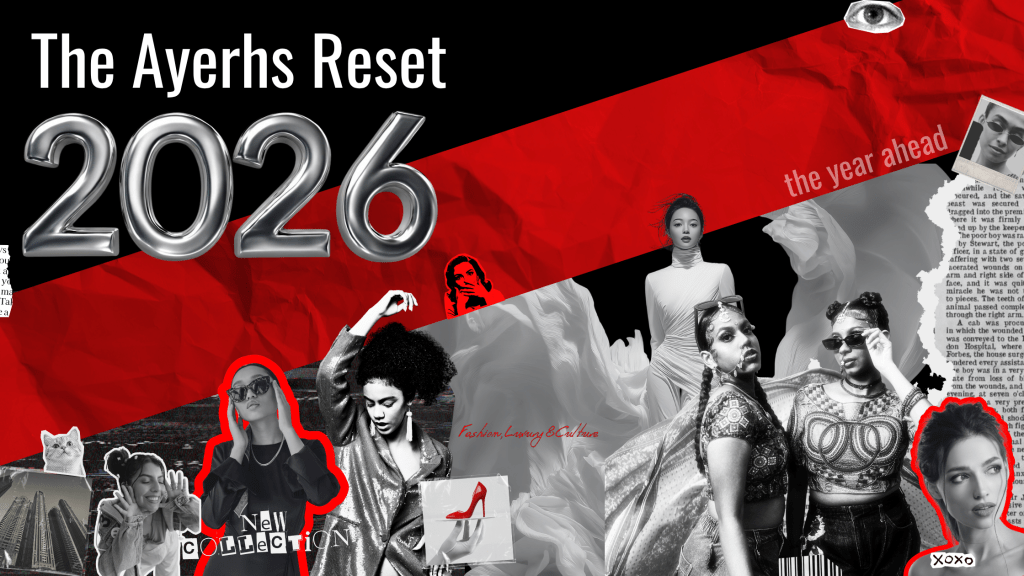
In 2026, having good taste is no longer just about knowing what looks good. It’s become an asset, a social differentiator, and a business tool. Taste has evolved from being a personal sensibility to being a kind of currency that determines who gets attention, influence, and even opportunity. The business of aesthetics has become a marketplace where cultural fluency, visual storytelling, and authenticity define value more than traditional metrics like money or fame.
From brands curating “vibes” instead of products to creators being paid for their ability to make things feel aspirational, aesthetics now shape how we consume, connect, and create. In an economy where content is infinite but attention is finite, taste is what filters the noise. It’s how we decide what’s worth our time.
Taste as a Social and Economic Signal
Taste has always carried social weight. Historically, it was tied to class and education—what you wore, what you read, what art you liked. But in 2026, taste has become more fluid, more democratized, yet paradoxically more powerful.
Platforms like Pinterest, TikTok, and Instagram have turned aesthetic taste into a kind of language. The rise of “core” culture—clean girl, indie sleaze, old money, coquette, quiet luxury—shows how aesthetics have become identity markers. What once took years to define (like subcultures or design movements) now forms and spreads in weeks.
For Gen Z, taste is a way of signaling not just what you like, but how you think. A well-curated feed, a subtle fashion choice, or even the way you photograph your morning coffee communicates a worldview. That worldview has market value. Brands aren’t just selling products anymore—they’re buying into the taste of people who know how to make things look and feel relevant.
This is the era where cultural taste is a form of capital. Someone’s ability to blend high and low culture, to remix references from niche internet aesthetics to luxury fashion, is now an economic advantage.
The Rise of the Taste-Maker Economy
We’ve entered the “taste economy,” where curators, creators, and even ordinary users can build influence through aesthetic judgment. This shift is visible everywhere—from fashion and design to tech and retail.
Consider how brands are hiring “aesthetic consultants” or “creative curators” to help them design digital presence and campaigns that feel authentic. These aren’t traditional marketing experts. They’re people who understand how aesthetics move through culture. They know what kind of lighting makes a video go viral, what colors feel “premium,” and how to evoke a mood that aligns with the zeitgeist.
In fashion, it’s the rise of creative directors who are less about sketching garments and more about curating worlds. Think of how brands like Miu Miu, Loewe, and The Row create visual ecosystems that define cultural aspiration. In tech, it’s why startups are obsessed with minimal interfaces and muted tones. In hospitality, it’s why boutique hotels design spaces around “Instagrammability.”
In every industry, aesthetic direction has become strategy. Businesses are realizing that what sells isn’t just functionality—it’s feeling.
The Monetization of Taste
Taste is no longer just a soft skill; it’s a sellable skill. Creators who know how to make things look good are monetizing that expertise across industries.
A TikTok user who can turn a thrift haul into a cinematic experience can get sponsorships. A graphic designer with a distinct color palette can land consulting gigs. Even micro-influencers with small followings are being paid for their “taste alignment” rather than follower count.
This has led to what some call the “aesthetic economy,” where visual coherence equals credibility. A photographer’s ability to make something feel elevated or a stylist’s knack for balancing vintage and modern can now directly translate into brand deals, creative collaborations, or jobs.
Taste is influence—but it’s also income.
The Commercialization of Authenticity
However, the aesthetic economy comes with a paradox. What happens when authenticity itself becomes a performance?
In the rush to monetize taste, many creators and brands risk falling into sameness. Everyone’s feed starts to look like the same beige minimalism or polished imperfection. The same fonts, tones, and compositions circulate endlessly, creating what cultural critics call “aesthetic fatigue.”
The irony is that as people chase originality, they often replicate trends. The internet has flattened creativity to a point where “good taste” can start to feel algorithmic. Aesthetics become formulaic rather than expressive.
This is why the conversation around aesthetics in 2026 is shifting toward intentionality. Taste that feels earned, grounded, or personally meaningful stands out more than what’s perfectly curated. People crave distinction again—something that cuts through the noise not by being louder, but by being more honest.
Brands are responding. You can see this in the resurgence of tactile branding, slower visual storytelling, and the re-embrace of imperfection. The new aesthetic currency is not polish but perspective.
From Luxury to Literacy
Luxury brands, once the ultimate gatekeepers of taste, are also evolving. The definition of luxury in 2026 isn’t exclusivity—it’s discernment. Knowing where something comes from, who made it, and why it matters is now the ultimate flex.
This shift has given rise to what some call “aesthetic literacy.” It’s the ability to read and interpret visual culture, to know the reference behind a design, or to spot when something feels derivative. It’s a skill that allows consumers to navigate a world of visual overload with clarity.
In this context, taste becomes a form of education. People are teaching themselves about design history, cultural symbolism, and art direction not through textbooks but through TikTok, digital archives, and creative communities. The person who knows why a certain silhouette feels nostalgic or why a certain shade of beige signals wealth is navigating culture with fluency.
Aesthetic literacy isn’t about elitism. It’s about awareness. In an era defined by visuals, knowing how to decode them is power.
The Aestheticization of Everyday Life
Everything has become aesthetic now—from finance apps to grocery stores to productivity tools. The way a brand looks and feels has become part of its value proposition.
Apple understood this years ago, but now it’s happening everywhere. Neobanks use warm typography to appear human. Cafes use minimalist interiors to attract “taste-led” customers. Even AI tools are designed with moodboards and pastel palettes to feel accessible.
Consumers are drawn to products that feel right, not just those that function well. This is what makes aesthetics a business advantage—it creates emotional trust. A brand that looks thoughtful is assumed to be thoughtful. A product that looks premium is assumed to work better.
But this aestheticization of everything also raises questions. If everything looks beautiful, what happens to meaning? When every brand uses the same calming tones and serif fonts, differentiation becomes difficult. The next phase of aesthetics might be less about beauty and more about substance that looks like style.
The Future of Taste: Substance Over Style
As aesthetics saturate culture, taste in 2026 is becoming more about context than appearance. People are drawn to visuals that tell a story, design that reflects values, and creators who use style to communicate thought, not just aspiration.
The most interesting brands and creators today are those who understand why something looks good, not just how to make it look good. They use taste as a framework for meaning.
The next evolution of aesthetics won’t be about trends like quiet luxury or normcore. It’ll be about what taste represents. Does your aesthetic say you care about sustainability? Does it show cultural respect? Does it invite curiosity? Taste becomes a reflection of ethics as much as style.
This shift suggests a more mature kind of aesthetic economy—one that values taste as awareness, not just appearance.
Closing Thoughts
In 2026, taste is currency because it defines what feels relevant in an oversaturated world. It’s the lens through which we navigate identity, creativity, and commerce. But the real power of taste lies not in how it looks, but in how it communicates values, thought, and individuality.
The business of aesthetics is no longer about who can design the prettiest visuals or shoot the most cinematic reels. It’s about who can connect ideas, history, and feeling into something that resonates.
Good taste, in its truest form, isn’t about perfection. It’s about perspective. And in a world obsessed with aesthetics, perspective is the rarest luxury of all.
 Ayerhs Magazine