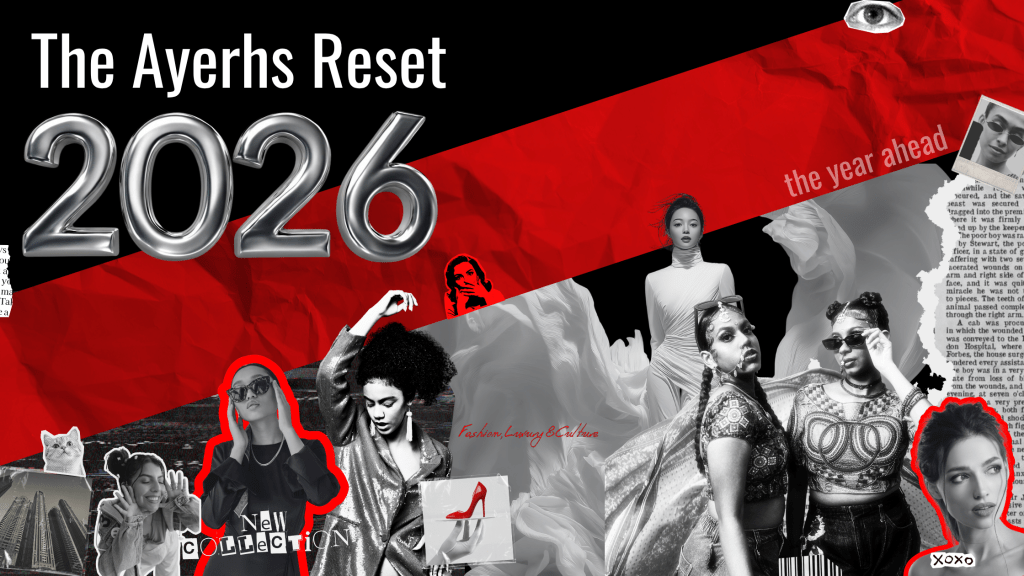
Somewhere between the chaos of constant connection and the quiet hum of burnout, something interesting is happening in 2026: people are learning how to do nothing again. Not in a lazy or apathetic way, but in a deeply intentional, quietly rebellious one. Doing nothing has become the new luxury, the new mindfulness, and maybe even the new productivity.
For years, “grind culture” told us that rest was weakness. That time was something to fill, not feel. But as the world hurtles faster into digital saturation—where every second is monetized, optimized, or shared—more people, especially Gen Z and younger millennials, are realizing the value in stillness. The art of doing nothing has returned, not as nostalgia for slower times, but as a conscious cultural shift against overconsumption, overstimulation, and overperformance.
The Return of the Unproductive Hour
One of the most surprising shifts in 2026 is how unapologetic people have become about resting. Social media once rewarded output and hustle; now it’s rewarding stillness and slowness. Videos of people sitting quietly in sunlight, reading for hours, or just lying in bed doing absolutely nothing are racking up millions of views on TikTok and Instagram.
What used to be called “wasting time” is now a quiet kind of protest. It’s an antidote to the performance of wellness that has taken over social platforms. Instead of tracking their sleep, timing their meditations, or sharing productivity hacks, people are opting out. They’re reclaiming unstructured time, giving themselves permission to be unproductive.
This isn’t new, of course. Philosophers, artists, and thinkers have long celebrated idleness as essential to creativity and self-awareness. But what’s different now is that we’re collectively remembering it, after years of forgetting how to stop. Doing nothing in 2026 isn’t about avoiding responsibility—it’s about escaping the constant demand to be visible, measurable, and improving.
The Burnout Hangover
The cultural fatigue driving this shift is real. The pandemic may have introduced the “slow life” vocabulary, but the post-pandemic years reaccelerated everything. Remote work turned into “always-on” work. Leisure became monetized through influencer culture. Even hobbies got commercialized through content creation.
By 2025, the burnout rate among Gen Z professionals had reached alarming levels. A Deloitte survey found that 46% of Gen Z respondents felt consistently stressed or anxious, largely due to work and social expectations. The same generation that popularized “quiet quitting” also found itself longing for peace—real, uninterrupted peace.
So in 2026, doing nothing has become a necessary reset. It’s the human equivalent of clearing browser tabs. It’s not about disconnecting forever, but about reconnecting with your own rhythm. People are finally learning to differentiate between being idle and being intentional.
Rest as a Creative Resource
What’s often overlooked in discussions about productivity is that rest fuels imagination. When you do nothing, you create space for your mind to wander—and wandering is where ideas live. Artists, writers, and innovators have always known this.
In 2026, the idea that “downtime” leads to creative breakthroughs is being backed by neuroscience. Studies show that the brain’s default mode network—active when we daydream or relax—is responsible for insight and problem-solving. Essentially, doing nothing isn’t empty; it’s generative.
This explains why some of the most original creators today are embracing rest as part of their process. The creative pause is no longer something to feel guilty about; it’s a tool. Musicians are taking sabbaticals to “listen to silence.” Designers are talking about “creative incubation” instead of “hustle seasons.” Even tech founders are encouraging their teams to build “white space” into their calendars.
The Digital Detox, Evolved
Of course, the art of doing nothing can’t really exist without confronting our relationship with screens. We live in a world where attention is currency, and everything—from news to friendships—is designed to capture it. The average person checks their phone about 150 times a day, and Gen Z averages over seven hours of screen time daily.
But unlike the detox movements of the past, the new version isn’t about cutting off technology entirely. It’s about changing how we use it. The “do nothing” culture of 2026 isn’t anti-digital; it’s digitally aware. People are setting micro-boundaries—like no scrolling before breakfast, no phone in bed, or even “silent Sundays” where they let messages wait.
It’s not about deleting apps. It’s about choosing when and how to engage. Digital minimalism has evolved into digital mindfulness. The point isn’t to escape the online world but to make it smaller, quieter, and less consuming.
Doing Nothing as Emotional Reset
Doing nothing is also deeply emotional. It’s a kind of therapy for a generation raised on constant stimulation. For many, silence feels uncomfortable because it forces introspection. When you stop distracting yourself, you start hearing yourself.
That’s why this movement isn’t just about rest; it’s about emotional literacy. It’s about sitting with boredom, sadness, confusion, or emptiness instead of scrolling them away. In that sense, doing nothing becomes a mirror—it shows you what’s really going on underneath the noise.
In 2026, more people are turning toward solitude as a form of emotional hygiene. They’re going on “solo dates,” taking walks without podcasts, journaling without aestheticizing it. These aren’t productivity hacks; they’re ways to reintroduce depth into daily life.
Capitalism’s Response: Monetizing Nothing
Of course, the moment something becomes culturally valuable, capitalism finds a way to sell it back to us. There’s already a booming industry around “intentional rest.” Brands are marketing expensive retreats where people can “do nothing” in curated nature settings. Wellness companies are selling rest-tracking devices and minimalist journals.
There’s irony in having to pay to unplug, but it also reflects a real desire for guided stillness. The challenge is to remember that the art of doing nothing doesn’t require an aesthetic or a purchase—it’s free. It’s found in the in-between moments: watching light shift through a window, sitting on a park bench without earbuds, letting yourself get bored.
The commercialization of rest is a reminder of how difficult true stillness has become in an attention economy. It takes effort to be effortless now. But that’s also what makes it powerful—it’s an act of resistance.
The Rise of “Slow Influence”
Interestingly, this new appreciation for nothingness is even changing influencer culture. A new wave of “slow influencers” is redefining what it means to share online. Instead of rapid posting, constant updates, and polished aesthetics, these creators are embracing imperfection, long pauses, and authenticity.
They film less, talk slower, and often take digital breaks without announcement. Their followers don’t expect content on a schedule—they expect presence when it happens. The shift reflects a growing desire for creators who model balance instead of burnout.
It’s no coincidence that “cozy,” “quiet luxury,” and “soft life” aesthetics have evolved into something more stripped-down. People don’t just want aspirational calm—they want actual peace. And they’re learning that peace often comes from subtraction, not addition.
Doing Nothing Together
Paradoxically, doing nothing has also become communal. “Silent hangouts” and “companionable idleness” are on the rise, especially among Gen Z friend groups. The idea is simple: hang out, but without pressure to talk, perform, or do anything. Just exist together.
These gatherings reflect a deeper social shift. As more people grapple with loneliness, they’re seeking connection that doesn’t rely on constant conversation or shared activity. Doing nothing together feels more intimate than small talk—it’s a kind of mutual presence.
It’s also influencing how workplaces and communities think about collaboration. Instead of back-to-back meetings, teams are experimenting with “collective quiet time,” acknowledging that innovation often happens in silence, not in Slack threads.
The Philosophy of Enough
At its core, the art of doing nothing in 2026 is about redefining “enough.” It’s a cultural correction to years of “more.” More productivity, more content, more experiences, more validation.
People are finally asking, “What if I don’t need more? What if what I have is enough?” That question has become a guiding principle for how many are approaching work, creativity, and self-worth. The art of doing nothing isn’t about idleness for its own sake—it’s about finding balance in a world addicted to acceleration.
A Quiet Revolution
In the end, doing nothing is not a retreat from life—it’s a return to it. It’s a reminder that our value isn’t measured by our output, our attention isn’t infinite, and our minds need stillness as much as stimulation.
2026 is teaching us that rest is not the opposite of progress. It’s the foundation of it. The art of doing nothing is really the art of being: of letting the world slow down long enough for you to notice it again.
So if you find yourself staring out the window for too long, or lying on the floor just existing, don’t rush to fill the silence. That pause you’re feeling? That’s life returning to its natural rhythm. And in a world that’s constantly demanding motion, choosing stillness might be the most radical thing you can do.
 Ayerhs Magazine