
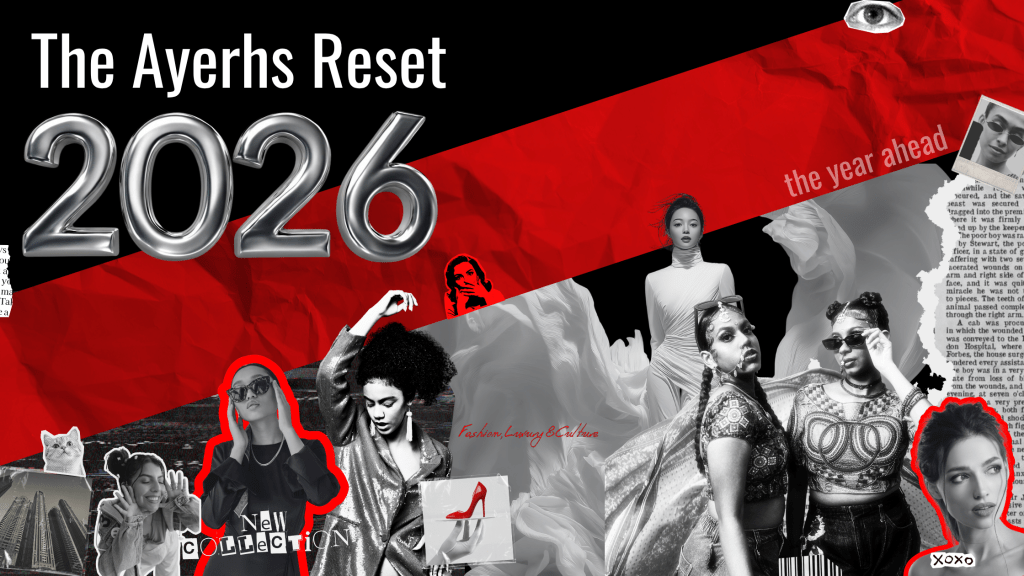
There’s a quiet shift happening in 2026. It’s subtle but powerful. After years of scrolling, swiping, and surface-level everything, there’s a collective craving emerging—a desire for depth. It’s showing up in the way we talk, the way we date, the way we consume media, even in the way we approach work and self-growth. The vibe is clear: people are tired of living at the surface.
The pandemic years rewired our sense of time, connection, and identity. Then came the overcorrection—the dopamine-driven chaos of hyperproductivity, hustle culture, short-form content, and constant reinvention. Everything became faster, louder, and shallower. We started optimizing our lives like algorithms, chasing aesthetics, not meaning. But in 2026, that’s changing.
This isn’t just another cultural trend. It’s a recalibration. A generation that once celebrated curation is now reaching for authenticity—not the buzzword version of it, but the kind that takes time, introspection, and discomfort. Depth is becoming the new luxury.
The Burnout of Shallow Living
For years, the internet told us we could have it all: access, exposure, opportunity, community. And in many ways, it delivered. But it also flattened experience. When everything is condensed into a 15-second video or a 280-character post, nuance disappears. You can know a thousand things and understand none of them.
We’ve been conditioned to consume more but feel less. The more we scroll, the less we sit with anything. The more we express, the less we reflect. Even relationships became optimized for speed. “Talking stages” replaced slow-burning connection. Friendships started feeling like mutual content partnerships. Careers became personal brands.
By 2026, it’s catching up to us. The collective burnout isn’t just about work or screens—it’s emotional and existential. People are realizing that constant stimulation doesn’t equal fulfillment. The craving for depth isn’t nostalgia for a simpler time. It’s an instinct for survival.
The Return of Long Attention
Attention has become one of the scarcest resources in the digital age. Yet, there’s a growing rebellion against short attention spans. Podcasts are getting longer. Book sales—especially nonfiction and essays—are climbing again. Even video creators are experimenting with 30-minute formats that dive deeper than viral clips.
Gen Z, the generation accused of killing attention itself, is ironically leading the charge toward long-form content. They want depth not because it’s trendy, but because it feels grounding. After years of overstimulation, focus feels like peace.
This shift isn’t about rejecting technology. It’s about using it more intentionally. The “digital minimalism” wave of the early 2020s was about detoxing from the internet. The 2026 version is about redefining our digital habits so they serve curiosity instead of chaos. People are unsubscribing from influencers who only post product hauls and following thinkers, writers, and creators who make them feel something real.
Depth is becoming aspirational again. Reading a book cover to cover, taking a long walk without music, or having a three-hour conversation with a friend now feel like quiet acts of rebellion.
The Depth Movement in Relationships
The desire for depth is showing up in how we relate to one another too. After years of hookup culture, soft-launches, and relationships built on aesthetics, people are craving something slower and more intentional. There’s a growing disillusionment with performative intimacy.
We no longer want relationships that look good online. We want ones that feel good in real life. Emotional literacy is finally being seen as a form of maturity. Vulnerability, once dismissed as oversharing, is now respected as courage. People are learning to sit in discomfort, to actually talk about feelings, to heal instead of ghost.
Even friendships are changing. The group chat energy of the early 2020s—constant updates, constant connection—is being replaced by quieter, deeper bonds. Fewer friends, more substance. There’s a collective understanding that real intimacy doesn’t always require visibility.
And that’s part of the depth revival too—privacy as a form of self-respect. People are realizing that not everything needs to be posted or shared. Some moments can just belong to you.
Career Depth: Beyond Titles and Trends
The same shift is unfolding in how we think about work. The hustle era made success look like constant motion—new projects, new brands, new streams of income. But many are realizing that chasing everything leaves you with nothing solid.
In 2026, there’s a quieter kind of ambition emerging. People want mastery, not just momentum. They’re choosing depth over diversification. That might look like staying in a role long enough to actually grow, building something meaningful instead of something viral, or choosing purpose over prestige.
This “slow career” mindset doesn’t mean rejecting success—it means redefining it. Work is no longer just about productivity; it’s about alignment. It’s about creating something that has emotional and intellectual weight. People are trading constant rebrands for long-term evolution.
Even companies are catching on. The culture of constant launches and high churn is losing appeal. Brands with longevity and integrity are winning over those that burn bright and fade fast. Sustainability now applies not just to fashion or the environment, but to personal and professional lives too.
The Emotional Depth Renaissance
Emotional awareness is becoming the foundation of modern identity. After years of self-diagnosing through TikToks and labeling every feeling with a buzzword, there’s a move toward actual emotional depth—understanding, not just naming.
Therapy talk is evolving. Instead of surface-level self-care, people are engaging with emotional realism. They’re asking harder questions: What do I actually want? Why am I performing happiness? How do I create meaning beyond validation?
This is the era of feeling deeply, not performatively. The “main character energy” trend of 2023 has matured into “inner character development.” It’s less about crafting a persona and more about cultivating a sense of self.
Even online, content that explores complexity—grief, purpose, self-worth—is thriving. People don’t want another highlight reel. They want conversations that go beyond the surface tension of aesthetics and tap into something real.
Cultural Depth: The Anti-Trend Era
The desire for depth is also changing how we consume culture. The microtrend cycle—where something was “in” one week and “out” the next—is slowing down. People are tired of disposable aesthetics. They want things that last.
Fashion, for instance, is seeing a return to timelessness. Consumers are drawn to design and storytelling that reflect care and craftsmanship. Music, too, is leaning toward introspection—artists writing lyrics that feel human, not algorithmic.
Even social media aesthetics are changing. The polished perfection of influencer culture is being replaced by something rawer and more grounded. Grainy photos, long captions, slower posting habits—it’s all part of the same instinct to move deeper, not faster.
The culture of virality is being replaced by the culture of meaning. Instead of “what’s trending,” people are asking, “what matters?”
Why Depth Matters Now
The desire for depth isn’t about rejecting modern life. It’s about reclaiming it. We’ve learned that connection without meaning feels hollow, success without fulfillment feels empty, and information without reflection feels overwhelming.
Depth gives context. It slows things down. It reminds us that living well isn’t about constant motion but conscious engagement. It’s about being fully present in the experiences that shape us, rather than rushing through them.
The shift toward depth is also a sign of maturity. It reflects a generation coming to terms with its own burnout and realizing that happiness doesn’t come from novelty, but from understanding. It’s about learning to be with yourself long enough to actually know yourself.
And that’s the real transformation of 2026—not the next viral trend, but a deeper relationship with the world and ourselves.
Living Deeply in a Shallow World
Living with depth in 2026 doesn’t mean retreating from the digital or fast-paced world. It means choosing what deserves your time, energy, and attention. It’s asking what deserves to be felt fully.
It’s choosing to read the whole article instead of the headline. To actually listen when someone speaks. To slow down when everything tells you to speed up.
Depth is quiet, but it’s magnetic. It’s not loud or flashy, which is why it’s so easy to overlook. But those who are chasing it know its value. It’s what makes life feel textured, not templated.
So maybe this is what 2026 is really about: rediscovering the art of being deep in a world that’s built for distraction. It’s about seeking meaning where it’s easy to skim, building connection where it’s easy to scroll, and remembering that feeling deeply—thinking deeply—is still the most radical act in a shallow age.
Because beneath all the noise, what people want most isn’t more content or more speed. It’s more substance. And in 2026, depth is finally making a comeback.
 Ayerhs Magazine