
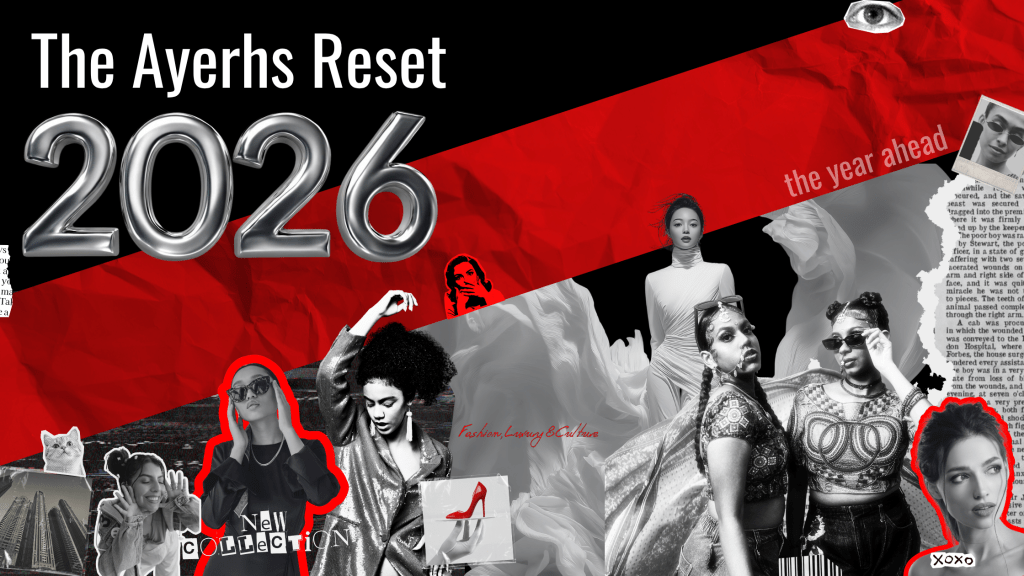
There’s something quietly powerful about looking put-together without looking like you tried too hard. In 2026, that’s the mood — effortless sophistication, comfort with intention, and personal style that feels lived-in rather than styled. We’re moving away from loud trends and toward dressing that feels like a reflection of who we are, not what’s trending on TikTok.
So how do you make your everyday outfits — the ones you wear to work, brunch, errands, or just while sitting at a café — feel more elevated this year? It’s not about buying a new wardrobe. It’s about learning how to style the one you already have in smarter, more intentional ways.
Here’s how to elevate your everyday dressing in 2026.
1. Focus on the Fit, Not the Label
Before anything else — fit is everything. You can wear an inexpensive piece and make it look expensive if it fits you perfectly. In 2026, silhouettes are leaning toward relaxed tailoring: think trousers that skim your legs, blazers that are structured but soft, shirts that drape rather than cling.
If something doesn’t fit quite right, don’t hesitate to tailor it. A simple nip at the waist or adjustment in length can completely transform an outfit. Think of tailoring as a small investment in longevity. The most stylish people aren’t necessarily wearing designer labels — they’re wearing clothes that fit them just right.
Tip: When shopping, don’t just look at size tags. Try different fits, lengths, and proportions. The best outfit upgrades often start with understanding your shape and dressing to complement it, not hide it.
2. Master the Art of Layering
Layering is what takes an outfit from basic to editorial. It’s one of those style skills that, once you understand, changes everything. The trick in 2026 is to make it look organic — not forced.
Try mixing textures: a cotton tee under a linen blazer, a silk slip dress with a knit cardigan, or a structured vest over a crisp white shirt. The balance of materials and proportions adds depth without trying too hard.
Outerwear remains a big part of the everyday look this year. Lightweight trenches, cropped bombers, and modern blazers are having a moment. Don’t shy away from styling them in unconventional ways — a blazer over a hoodie, a trench belted over jeans and sneakers, or a bomber paired with tailored pants.
The key is contrast: something casual balanced with something polished.
3. Embrace Elevated Basics
Capsule dressing isn’t going anywhere. But in 2026, basics aren’t boring — they’re the foundation of quiet luxury. Think crisp poplin shirts, neutral knits, perfectly cut jeans, and tailored trousers. These are pieces you can style a hundred different ways, and they still feel refined.
The difference lies in the details: a slightly structured shoulder on a tee, the perfect cropped length on your trousers, a hidden zip that makes a silhouette cleaner. These small touches separate “just simple” from “stylishly minimal.”
If you want your everyday outfits to feel more elevated, start by upgrading your go-to basics. Replace anything stretched out or faded, and look for fabrics that hold their shape — cotton blends, wool knits, or linen mixes that breathe and move well.
4. Pay Attention to Texture
Texture is the secret styling element most people overlook. In 2026, we’re seeing a lot of visual texture — matte against shine, soft knits with crisp cotton, smooth leather paired with rough denim.
Adding contrast gives your outfit more personality. Try a silky blouse with structured trousers, or wear a wool vest over a satin dress. Even accessories can bring in texture — a suede bag, a patent leather shoe, or a chunky knit scarf.
The goal is to create visual interest without relying on color or print. When your outfit has texture, it automatically feels richer and more layered.
5. Rethink Your Accessories
Accessories are where personal style really shines. In 2026, we’re moving toward intentional accessories — fewer, but better. Instead of piling on jewelry or wearing every trend, choose pieces that complement your outfit’s tone.
Gold and silver jewelry are being mixed more freely now, so don’t worry about matching metals. A sculptural earring, a chunky ring, or a simple watch can make your outfit feel instantly elevated.
Belts are also making a big comeback, especially with tailored pieces. A structured belt over a blazer or cinching a dress can change your entire silhouette.
And let’s not forget bags — in 2026, slouchy shapes, half-moon styles, and small structured totes dominate. Go for clean designs in neutral colors; they work with almost everything.
6. Step Up Your Footwear Game
Shoes are often what make or break an outfit. Even the most minimal look feels intentional when paired with good shoes.
In 2026, the focus is on comfort with design — loafers, mules, ballet flats, and sneakers that are sleek rather than sporty. Think of footwear as the “finishing mood” of your outfit: are you going for polished, playful, or understated?
If you’re wearing something super casual like jeans and a tee, try elevating it with pointed flats or structured loafers. For something more tailored, white sneakers or chunky sandals can soften the look.
7. Mix Casual and Polished Pieces
One of the best ways to elevate your everyday style is to mix worlds — casual with tailored, sporty with refined. It’s the balance that keeps your outfits interesting.
Think a silk shirt with denim, a hoodie under a tailored coat, or sneakers with a midi skirt. These combinations make your style feel intentional rather than accidental.
In 2026, that’s the sweet spot — not overdressed, not underdressed, just effortlessly balanced.
8. Lean Into Monochrome and Neutrals
There’s something instantly sophisticated about wearing one color head-to-toe. Monochrome dressing doesn’t have to mean black or beige — it could be soft greys, muted blues, or earthy greens.
The trick is to play with shades and textures within the same color family. A cream shirt with ivory trousers and a tan belt, for example, feels layered yet cohesive.
Neutrals are still reigning supreme in 2026, but with warmer undertones and richer hues. Think caramel browns, olive greens, muted blues, and soft whites. They’re timeless, seasonless, and always chic.
9. Invest in Statement Outerwear
If you want a quick shortcut to elevation, invest in great outerwear. A well-cut coat or jacket can instantly pull your outfit together — even if you’re just wearing a t-shirt and jeans underneath.
This year, trench coats, structured blazers, cropped leather jackets, and oversized wool coats are the go-tos. Pick one that feels like you — something that adds structure but still flows with your lifestyle.
You don’t need many; just one or two statement outerwear pieces can completely transform how your wardrobe works.
10. Curate Your Color Story
One thing that makes everyday outfits feel cohesive is having a defined color palette. You don’t need to wear color to have one — even a mix of neutrals can be your “signature look.”
Try this exercise: pull out your favorite pieces and notice what colors you naturally gravitate toward. Build around those. When your wardrobe speaks the same visual language, everything feels more elevated, even when it’s simple.
11. Confidence Is the Best Styling Tool
You can have the most carefully curated outfit in the world, but if you don’t wear it with confidence, it loses its impact. The real secret to elevating your style is owning it.
2026 is the year of quiet confidence — of dressing for yourself, not for validation. When you feel comfortable in what you’re wearing, it shows. That’s why the best-dressed people always seem effortlessly stylish — they’re not trying to impress; they’re just being themselves.
If something makes you feel like you, it’s worth wearing.
12. Less Perfection, More Personality
Finally, remember that elevated doesn’t mean perfect. It means intentional. It’s about showing up as your best, most comfortable self.
In 2026, perfection is out; personality is in. It’s okay if your shirt isn’t perfectly tucked, or your shoes don’t match your bag. What matters is that it looks lived-in and authentic — not like you spent hours planning it.
Everyday style should feel like an extension of you — a quiet reflection of what you value and how you see yourself.
 Ayerhs Magazine