
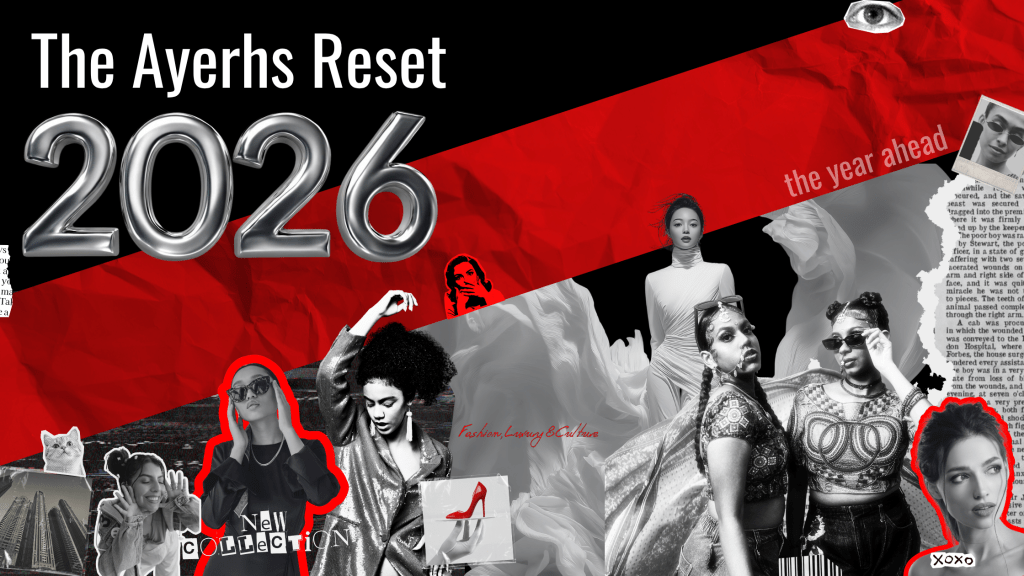
There’s something powerful about opening your closet and feeling like every single piece in there belongs. Not because it’s trendy, or because someone on Instagram wore it first—but because it feels like you.
As we step into 2026, fashion is shedding its obsession with excess and performance. Instead, it’s becoming more personal, grounded, and intentional. We’re finally moving past the idea that style has to be about keeping up—and leaning into the idea that it’s about tuning in.
This year, it’s not about having more clothes. It’s about having the right ones. Pieces that fit your lifestyle, reflect your mood, and evolve with you. Curating a wardrobe that feels like you isn’t about perfection—it’s about honesty.
So, let’s talk about how to build one that truly does.
1. Start by Asking the Right Questions
Before you even think about buying new pieces, take a step back. Ask yourself:
- What do I actually wear most days?
- How do I want to feel in my clothes—comfortable, confident, creative, powerful?
- Whose style inspires me—and why?
- What doesn’t feel like me anymore?
These questions help you get real about your lifestyle and your energy. Maybe you’re entering a calmer phase and want your clothes to reflect that. Or maybe you’re feeling bolder, ready to experiment with shapes and textures.
Your wardrobe should mirror your current chapter—not a past version of you or a future fantasy. Once you’re clear on where you are right now, curating becomes easier.
Think of it like editing your life through clothing. You’re not just building a wardrobe—you’re defining your visual language.
2. Revisit Your Closet (and Be Brutally Honest)
The truth is, most of us already own enough clothes. What we lack is clarity. So before adding anything new, take inventory of what you already have.
Go through your closet piece by piece. Try everything on. Ask yourself, Would I wear this today? If the answer is no, ask why not?
- If it’s a fit issue—can it be tailored?
- If it’s a style issue—does it reflect an old version of you?
- If it’s an emotional attachment—does it still serve you, or is it just taking up space?
Let go of pieces that carry guilt. The jeans that never quite fit. The dress you “might wear someday.” The shoes that look great but hurt too much. Your wardrobe should feel light, not heavy.
Curating starts with clearing. You can’t discover your true style if it’s buried under clothes that don’t belong in your life anymore.
3. Identify Your Signature Elements
Every great wardrobe has anchors—those repeating elements that make it feel cohesive. Think of them as your personal trademarks.
It could be something simple like always wearing gold jewelry, favoring clean silhouettes, or gravitating toward earth tones. Or maybe it’s a recurring detail—structured blazers, oversized shirts, or wide-leg pants.
These consistencies are what make your style recognizable. They form the through-line between everything you wear.
In 2026, personal uniforms are making a comeback—not in the boring sense, but as a form of self-assurance. When you know what works for you, dressing becomes effortless. You can mix, layer, and experiment within your own framework.
Fashion shouldn’t feel like reinvention every morning—it should feel like refinement.
4. Invest in Fewer, Better Pieces
This year, the focus is shifting from fast to forever. The idea of “buy once, buy well” is resonating more deeply than ever.
It’s not about spending more—it’s about choosing smarter. A well-made white shirt, the perfect pair of jeans, or a timeless trench can serve you for years. The key is to prioritize quality, comfort, and longevity.
When shopping, ask yourself:
- Does this piece go with at least five things I already own?
- Will I still love it a year from now?
- Is it made to last—or made to sell?
It’s okay to invest in pieces that cost more if they’re truly versatile and durable. A great coat, tailored trousers, or classic loafers will always have a place in your wardrobe.
But also remember that investment doesn’t have to mean luxury price tags. It’s about emotional value, too. Maybe that vintage jacket from a thrift store or that handmade piece from a local designer speaks to you in a way no big brand ever could. That’s investment, too—just a more personal kind.
5. Embrace the Power of Repetition
Here’s something fashion doesn’t talk about enough: wearing the same thing again and again is a good thing.
In fact, repetition is the backbone of personal style. The more you repeat the pieces you love, the more they become yours. They start to carry your energy, your stories, your moments.
So stop saving your favorite pieces for “special occasions.” The clothes you love deserve to be lived in. Style them differently, layer them, reimagine them—but don’t be afraid to repeat.
When you stop dressing for novelty and start dressing for connection, your wardrobe naturally becomes more you.
6. Balance Statement and Simplicity
A wardrobe that feels authentic always has balance. You need the grounding pieces—the ones you reach for without thinking—and the expressive ones that keep things interesting.
If your base wardrobe is full of neutrals, add color through accessories or textures. If your closet is already full of bold prints, introduce a few minimalist staples to anchor it.
The trick is harmony, not uniformity. You want your clothes to talk to each other, not compete.
And in 2026, this balance is everything. We’re entering the era of subtle statement dressing—where the impact comes from small details, not loud trends. It’s the quiet curve of a sleeve, the softness of a fabric, or the perfect proportion that makes an outfit memorable.
7. Dress for Your Present, Not Your Past
One of the biggest style blocks people face is holding onto clothes that represent who they used to be. Maybe it’s your “party era” outfits, your corporate uniforms, or the trends that once defined you.
But fashion, like life, evolves. Curating a wardrobe that feels like you means giving yourself permission to change.
Let your clothes reflect your growth. Maybe your definition of “stylish” looks different now—less about impressing and more about expressing. Maybe you want comfort to take the lead, or maybe you’re rediscovering your love for structure and polish.
Whatever it is, embrace it. You can’t move into your next phase if you’re dressing for the last one.
8. Personalize Everything
In 2026, individuality is the new luxury. Everyone’s chasing authenticity—and that means personal touches matter more than brand names.
It could be as small as adding a vintage brooch to a modern jacket, layering jewelry with meaning, or customizing your clothes through tailoring. Maybe you repurpose an old piece into something new. These details create emotional depth in your wardrobe.
You’ll start to notice that the more personal your wardrobe becomes, the less you care about trends. Your clothes start to tell your story, not fashion’s.
9. Think Seasonless, Not Trend-Driven
We’re in a time where seasons are blurring, both in fashion and in life. The idea of “spring” or “fall” collections feels outdated when people live across climates and lifestyles.
Your wardrobe should be seasonless, too. Build it around versatile layers that work year-round. A good pair of trousers, breathable knits, cotton shirts, and transitional outerwear can carry you through most situations.
When you stop chasing seasonal drops and instead invest in timeless pieces, your wardrobe starts to feel cohesive—and so much more sustainable.
10. Let It Breathe and Evolve
Finally, remember: your wardrobe is a living thing. It’s allowed to change as you do.
Curating a wardrobe that feels like you isn’t a one-time project—it’s an ongoing conversation between who you are and how you show up in the world. Some pieces will come and go, some will stay with you forever. The goal isn’t perfection—it’s alignment.
So give yourself space to grow into your clothes, and let them grow with you.
The Bottom Line
In 2026, true style isn’t about following trends—it’s about self-connection. A curated wardrobe isn’t a display of wealth or fashion knowledge; it’s a reflection of understanding yourself deeply enough to know what fits your body, your lifestyle, and your story.
When your clothes align with who you are, something shifts. You move differently. You show up more confidently. You stop overthinking what to wear because every piece already feels right.
That’s the kind of quiet power fashion can have—the kind that doesn’t shout, but simply feels like you.
 Ayerhs Magazine