
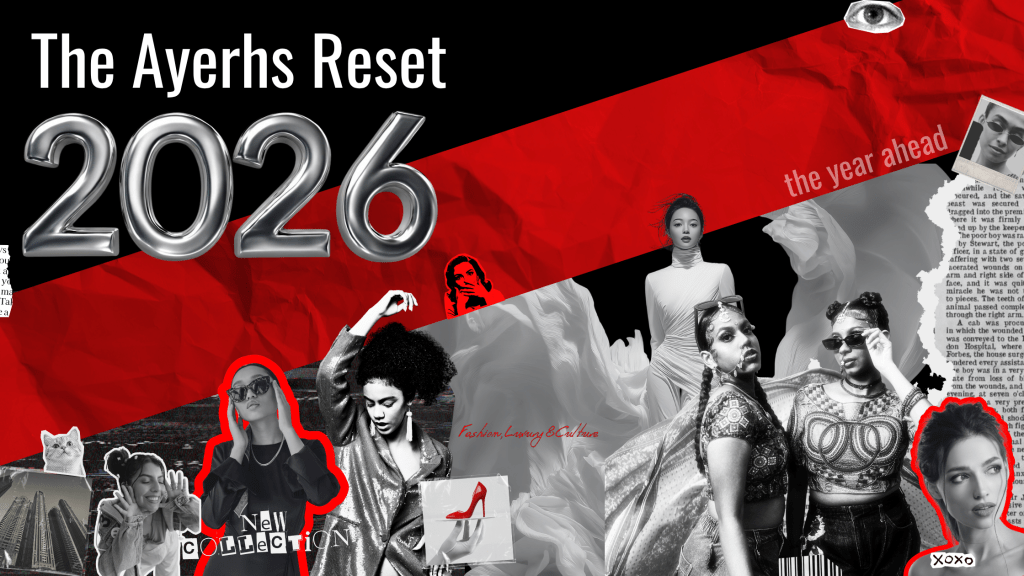
For years, the idea of “It” style has been synonymous with the shiny and the momentary — the dress that broke the internet, the influencer look that dominated feeds for weeks, or the handbag that defined an entire era. But as we step into 2026, that narrative is shifting. The obsession with viral aesthetics is fading, replaced by something quieter, more intentional, and deeply personal. This year, the new “It” style isn’t about what’s trending. It’s about what feels true.
The Fall of the “It Girl” Era
For the longest time, the “It” girl ruled fashion. She wasn’t just someone who wore the clothes; she was the moodboard, the muse, the microtrend in human form. Think of the early 2010s — street style blogs, paparazzi shots, Tumblr edits, and celebrity closets that shaped global taste. The “It” girl was the face of desirability and the blueprint of cool.
But fast forward to now, and something has shifted. In the age of endless access, everyone has become a curator. The magic of exclusivity has diluted, and the sameness of online aesthetics has become impossible to ignore. Scrolling through Instagram or TikTok often feels like flipping through different versions of the same outfit, styled by different people. The “It girl” is no longer an individual — she’s an algorithm.
That realization has sparked a quiet rebellion. People are growing tired of fashion that’s performative, of dressing for validation instead of connection. The new generation of style is rejecting the idea that being “It” means being seen by everyone. In 2026, being “It” means being understood — even if only by yourself.
The Rise of Signature Style
What’s replacing the chase for the next viral outfit is a return to the personal — signature style. More and more, people are building wardrobes that tell a story instead of chasing the next drop. It’s not about reinventing yourself every season anymore; it’s about refining yourself.
Designers have caught on, too. Across recent runway seasons, we’ve seen collections that prioritize wearability, longevity, and quiet impact. Brands like The Row, Bottega Veneta, and Toteme continue to define this shift, offering timeless silhouettes that feel luxurious but understated. Even labels once known for maximalism are paring back, opting for depth over noise.
In the same way, consumers are becoming editors of their own aesthetics. We’re seeing capsule wardrobes reimagined not as minimal, but as meaningful — built around color, shape, or texture that resonates personally. Someone’s “It” might be a perfectly worn leather jacket, another’s a stack of vintage rings, or a pair of trousers that fit so well they’ve become part of their identity.
The point is: in 2026, the “It” piece isn’t the item everyone wants. It’s the one that feels like you could never replace it.
The Power of the Everyday
A major part of this evolution is how we’re rethinking what “fashion moments” look like. Once upon a time, they happened on red carpets and runways. Now, they happen in the everyday — in the way someone ties their scarf, layers their jewelry, or styles their hair. The small details matter more than ever.
TikTok and Instagram may still be where style lives, but the energy has changed. The “get ready with me” videos that once centered on glam and transformation are now quieter, focusing on the ritual of dressing rather than the final look. There’s intimacy in showing how clothes make us feel, not just how they look.
This softer form of style storytelling is powerful. It’s about being grounded in your reality — whether that means rewearing your favorite jeans three times a week or mixing high-end with thrifted pieces. The new “It” style doesn’t demand constant reinvention; it celebrates consistency and confidence.
Fashion’s Cultural Reset
The redefinition of “It” style in 2026 is part of a much larger cultural reset. We’re moving away from trend cycles driven by hype and heading toward a slower, more thoughtful rhythm. The pandemic years started this shift, pushing us to reconsider what we wear and why. But now, it’s evolved into a collective consciousness — a desire for authenticity over aesthetics.
Luxury, too, is being redefined. The new markers of taste aren’t logos or limited editions, but craftsmanship and emotional connection. A designer bag might still be aspirational, but what makes it “It” isn’t its resale value — it’s the story behind it. Maybe it’s vintage, maybe it was passed down, or maybe it was bought after years of saving. Meaning is the new currency of style.
Even fashion media is changing. Editorials now spotlight individuality over conformity, and street style photographers are more drawn to people who dress for themselves than those dressed for attention. In this climate, “It” has become an attitude — subtle, confident, and deeply aware.
Subtle Statement Dressing
One of the biggest manifestations of this shift is what many are calling “subtle statement dressing.” It’s a phrase that perfectly captures where fashion is headed in 2026 — clothes that speak softly but powerfully. Think muted tones with interesting structure, classic tailoring with an unexpected twist, or simple silhouettes made striking through texture and proportion.
The appeal lies in the duality: standing out while blending in. It’s not about rejecting fashion, but refining it. Wearing something that looks effortless yet intentional. Designers like Peter Do, Proenza Schouler, and Khaite have mastered this balance — crafting pieces that don’t scream for attention but still command it.
It’s a style philosophy that rewards patience. Instead of asking, “What’s new?” we’re asking, “What feels right?” And that simple question is transforming not just closets, but the very culture of dressing.
The End of Comparison
The digital world has made it nearly impossible not to compare — bodies, clothes, careers, lives. But as more people start embracing their individuality in how they dress, that comparison trap is loosening. 2026 is the year people stop dressing to “fit in” and start dressing to “feel at home.”
You see it in how influencers talk about fashion now — the conversation is shifting from “look what I bought” to “this is why I love it.” From outfit hauls to styling re-wears. From polished perfection to personal stories. Even brands are moving toward real representation and authenticity, realizing that the modern consumer connects more deeply with honesty than with aspiration.
It’s not about trying to be the “It” girl anymore — it’s about being the “only.” The one who knows herself, dresses for herself, and doesn’t need validation to feel stylish.
What “It” Means Now
So what does “It” actually mean in 2026? It’s not a label or a look. It’s a mindset. To be “It” today is to be self-aware, not self-conscious. It’s about presence — knowing what works for you, standing by it, and letting that quiet confidence speak louder than any outfit ever could.
Maybe your “It” is an oversized blazer you wear everywhere. Maybe it’s your natural hair. Maybe it’s the way you pair sneakers with tailored pieces, or the fact that you always choose comfort without losing edge. “It” is whatever makes you feel like yourself, fully and unapologetically.
And that’s the beauty of this new era — there’s no single definition. Fashion has finally loosened its grip on hierarchy. There’s no one person, brand, or aesthetic dictating what’s in. Instead, there’s a collective understanding that “It” style lives within everyone — as long as they have the courage to express it.
The Takeaway
2026 isn’t about chasing relevance. It’s about realizing you already have it — the moment you choose authenticity over approval. The “It” of this era isn’t fleeting or loud; it’s built to last. It’s in the confidence of wearing the same coat for years because it still feels perfect. It’s in choosing what speaks to you, not what speaks for you.
 Ayerhs Magazine