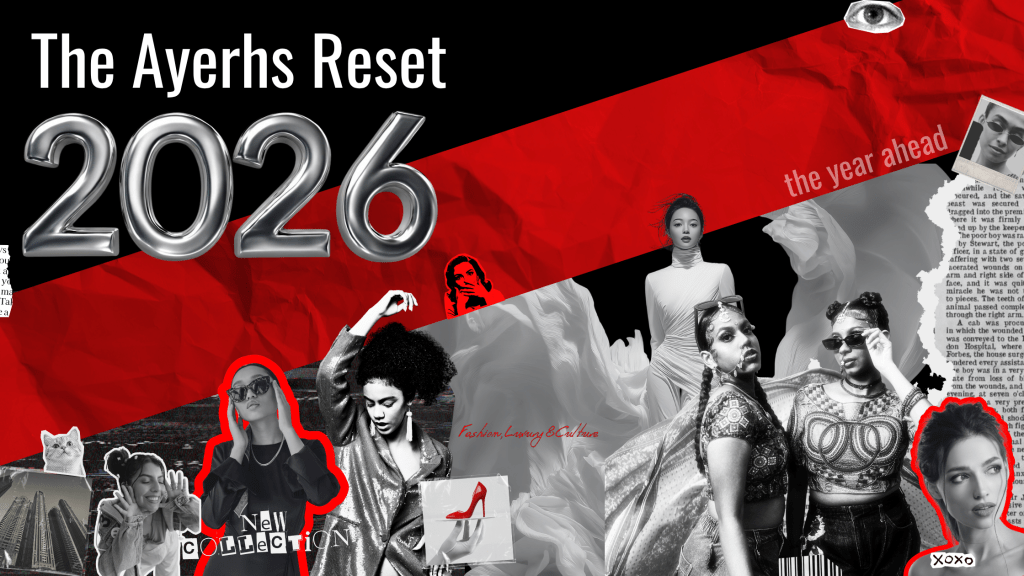
If there’s one thing that never goes out of fashion, it’s self-expression. And in 2026, style is less about chasing trends and more about understanding yourself—what you want to feel, communicate, and embody through clothes. A moodboard is one of the simplest yet most powerful ways to do that. Think of it as your personal fashion compass: part inspiration, part reflection, and part roadmap for your wardrobe.
Here’s how to build a style moodboard for 2026—something that feels intentional, inspiring, and deeply you.
Start With the “Why”
Before you even start pulling pictures, pause for a second. Ask yourself: Why am I building this moodboard? Maybe you want to refresh your wardrobe, define your personal aesthetic, or just get clearer about what feels authentic to you.
A moodboard isn’t just a collage of pretty photos—it’s a visual diary that helps you see your taste clearly. When you gather images, colours, and textures you love, you start to notice patterns. Maybe you always gravitate toward clean lines, neutral tones, or bold accessories without realising it. A good moodboard makes those preferences visible and helps you make smarter, more aligned style choices later.
It also becomes your reference point. The next time you’re about to make an impulse purchase, a quick glance at your board can remind you whether that neon bag or overly trendy top really fits the vision.
Define Your Intention for 2026
What kind of energy do you want to bring into the new year? That’s your starting point.
Ask yourself a few honest questions:
- Do I want to feel more confident, calm, bold, or playful this year?
- How do I want to dress for the life I’m building?
- Am I leaning toward minimalism or maximalism—or somewhere in between?
- What parts of my current wardrobe do I actually love, and what feels outdated?
Your answers will shape the overall tone of your moodboard. For example, if your goal is “elevated ease,” you might focus on relaxed tailoring, muted colours, and effortless silhouettes. If it’s “rebellious confidence,” you might be drawn to graphic prints, unconventional layering, or sharp statement accessories.
2026 is shaping up to be a year of subtle statement dressing—where emotion, intention, and personality drive style more than trends. So let your board reflect the version of you that feels the most real, not just what’s “in.”
Choose a Clear Theme
The most effective moodboards have a clear visual direction. You don’t need to overthink it, but choosing a theme helps you stay focused. Try framing it like this:
- Quiet Luxury with Character: Elevated basics with one unexpected detail.
- The Modern Minimalist: Sleek silhouettes, tone-on-tone layering, everyday polish.
- City Wanderer: Neutral wardrobe with global touches—texture, print, movement.
- Soft Power: Tailored yet fluid pieces, strong but not loud.
Once you settle on a theme, define your scope. Are you focusing only on clothing, or also shoes, accessories, and colours? The narrower the scope, the more intentional the board will feel.
Collect Your Inspiration
This is the fun part. Open your Pinterest, old magazines, saved Instagram folders, or lookbooks. Pull anything that visually resonates with the vibe you’re after.
Gather:
- Outfit shots – full looks that capture your desired energy.
- Fabric textures – knit, leather, silk, linen, suede.
- Colour palettes – your base tones, highlights, and accents.
- Details – accessories, makeup, hair, nails, or even furniture that match your style mood.
- Mood words – short descriptors like “effortless,” “layered,” “understated boldness,” “timeless edge.”
Don’t censor yourself yet. Collect freely; the editing comes later.
If you prefer digital boards, use Canva or Notion—they make layout easy. If you love something tactile, go old-school: print your images, cut them out, and pin them to a board. There’s something grounding about working with your hands and actually seeing your ideas in physical form.
Layout and Composition
Now that you’ve gathered your inspiration, start arranging it. You don’t need design skills—just balance.
Place your strongest images at the centre. These are the ones that define your vision. Build around them with supporting elements like textures, details, and colours. Add breathing space; not every corner needs to be filled.
Keep a visible colour palette somewhere on your board. It anchors the entire mood. For instance:
- Core Neutrals: Warm beige, charcoal, ivory.
- Accent Colours: Burnt terracotta or olive green.
- Metallic Touches: Soft gold or muted silver.
If you’re building digitally, stick to one or two fonts for any words or phrases so it doesn’t look chaotic. The goal is cohesion, not perfection.
Edit Ruthlessly
Once you’ve placed everything, step back. Does it feel like you?
Edit with intention. Remove anything that feels random or out of sync with your theme. Ask yourself:
- Does each image reflect how I want to dress and feel in 2026?
- Are my colours harmonious?
- Is there a clear emotional through-line?
Editing is where your personal style sharpens. A cohesive moodboard isn’t about having the most images—it’s about having the right ones.
Let Trends Guide, Not Dictate
Of course, it’s smart to stay aware of what’s trending for 2026. Forecasts point toward emotional dressing, sustainability, and tactile luxury—think texture-heavy looks, earthy colour palettes, and pieces that balance softness with structure. But trends should complement your moodboard, not control it.
Maybe the “playful minimalism” trend fits your vibe; maybe it doesn’t. That’s okay. The goal is to make your board timeless enough to guide you all year, not just for a season.
Bring Your Moodboard to Life
Now, what do you do with this finished masterpiece? You use it.
- Display it where you’ll see it—save it as your phone wallpaper, keep it in your closet, or pin it above your desk.
- Let it guide your purchases—ask, “Does this align with my board?” before buying anything new.
- Use it for content planning—if you’re creating fashion or lifestyle content, it helps maintain visual consistency.
- Revisit it quarterly—as seasons and moods change, update it. A moodboard should evolve with you.
The beauty of this process is that it’s not fixed. You can refresh it as you grow, but it remains rooted in your personal style DNA.
A 2026 Example
Let’s imagine your 2026 style vision is “Refined Ease.”
Your board might include:
- Colour Palette: Taupe, ivory, forest green, and deep plum.
- Silhouettes: Relaxed suiting, structured knitwear, high-waist trousers.
- Textures: Brushed wool, matte leather, soft cotton poplin.
- Mood Words: Collected. Grounded. Understated.
- Key Pieces: Tailored blazer, mid-length trench, chunky loafers, minimal gold jewelry.
The overall feeling? Effortless sophistication—dressed up, but never trying too hard.
Final Check-In
Before you call it done, take one last look and ask:
- Does this board reflect the person I’m becoming in 2026?
- Does it make me excited to get dressed?
- Would someone else instantly understand my vibe by looking at it?
If yes—congratulations. You’ve just created your personal style blueprint for the year ahead.
In Closing
Building a moodboard is like having a conversation with yourself through visuals. It helps you understand your instincts, refine your aesthetic, and dress with more intention. 2026 is a year where individuality matters more than trends, where “quiet confidence” replaces “loud labels,” and where self-expression is the new luxury.
So take your time. Gather images that feel like you. Edit them down until you see your vision clearly. And when you’re done, you’ll have something far more valuable than inspiration—you’ll have direction.
Because the truth is, great style doesn’t just happen. It’s built, piece by piece, on the foundation of knowing who you are—and a good moodboard is where that begins.
 Ayerhs Magazine