
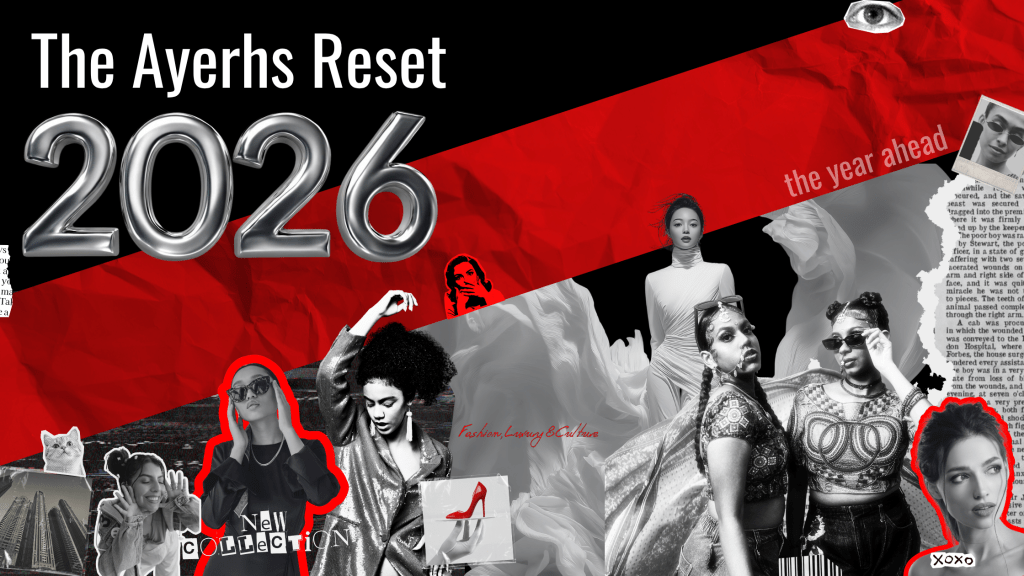
It’s 2026, and we’ve reached a fascinating point in fashion and culture. The world isn’t just talking about sustainability anymore—it’s wanting it. Craving it. Designing for it. Wearing it. The shift isn’t performative or PR-driven like the “eco-friendly” buzzwords of the late 2010s. It’s personal now. People desire sustainability the same way they desire beauty, status, or belonging. It’s no longer an act of responsibility; it’s an act of self-expression.
The phrase “sustainable desire” might sound contradictory at first. Desire, by nature, is about wanting more. Sustainability, on the other hand, asks us to slow down and want less. But 2026 is teaching us that the two can coexist. We don’t have to suppress our desire; we just have to redirect it. And that’s exactly what this new era of fashion, consumption, and consciousness is doing.
From Guilt to Glamour
For years, sustainability was wrapped in guilt. We were told to stop shopping, stop consuming, stop wanting. The message was clear: caring for the planet meant sacrificing pleasure. But guilt is not a sustainable motivator—it exhausts people. What’s happening now is a reframing. Sustainability has become aspirational. It’s about taste, longevity, and emotional connection.
Luxury houses and independent designers alike are rebranding sustainability as the new status symbol. Owning something timeless and well-made—crafted from traceable materials, designed with intention—feels far more luxurious than chasing trend cycles. A 2026 consumer doesn’t want excess; they want excellence. They’re proud to invest in fewer, better pieces. Wearing something that lasts is no longer just practical—it’s powerful.
The rise of “quiet luxury” over the last few years was the prelude. But 2026 is taking it further. We’ve entered the age of sustainable luxury: quiet, thoughtful, emotionally intelligent design. The kind of fashion that satisfies your desire for beauty and your conscience at the same time.
The Shift in What We Crave
What’s interesting is how consumer desire itself has evolved. We’re no longer seduced by logos and labels, but by stories. The story behind a garment—the who, where, and how—matters as much as the cut or color. A silk shirt is not just a silk shirt; it’s a narrative of craft, community, and values.
We’re witnessing a collective craving for connection. For meaning. For something real in an industry that often feels superficial. This is why brands built around authenticity, repairability, and emotional value are thriving. It’s not that consumers stopped desiring things—they’ve just become more selective about what they desire.
That’s the essence of sustainable desire. It’s desire with depth. It’s beauty that’s conscious of consequence.
Fashion’s New Value System
In 2026, value looks different. We’re less impressed by volume and more by vision. Capsule wardrobes, bespoke tailoring, and rental models aren’t niche experiments anymore—they’re mainstream ways of dressing. Rewearing no longer signals lack of access; it signals taste.
Designers are embracing this shift, too. The best collections of the year so far have leaned into subtlety, not spectacle. They’re designed for longevity—architectural silhouettes, convertible pieces, modular details that adapt to changing lifestyles. It’s fashion that respects your investment and the planet’s resources.
And perhaps most importantly, it’s fashion that acknowledges time. That’s what makes sustainable design so powerful—it slows you down. It reminds you that good things take time to make, and to appreciate.
Sustainability as Sensuality
There’s something undeniably sensual about this new approach to fashion. The textures are richer, the cuts more deliberate, the intention palpable. Sustainable design has matured beyond hemp and beige minimalism. It’s luxurious, tactile, emotionally intelligent. It feels good—literally and metaphorically.
You can sense the care in every stitch, the respect for the fabric, the mindfulness of waste. Wearing something sustainably made in 2026 isn’t about virtue-signaling—it’s about pleasure. The pleasure of knowing where your clothes come from. The pleasure of knowing they’ll last. The pleasure of aligning your external choices with your internal values.
This is sustainability as seduction. The allure is quiet but magnetic.
Desire as a Driving Force
For a long time, the sustainability conversation was built on fear—fear of climate change, fear of scarcity, fear of guilt. But fear doesn’t inspire innovation. Desire does.
When people want sustainability—not because they should, but because they truly find it beautiful—that’s when real change happens. Designers, brands, and consumers are all leaning into that energy now. They’re not just asking “how do we reduce harm?” but “how do we create desire responsibly?”
This is showing up across industries. In fashion, it’s material innovation—recycled cashmere that feels like new, plant-based leathers that are actually desirable. In beauty, it’s refillable packaging that looks like jewelry. In architecture and interiors, it’s spaces built to last, not to impress for a moment. Everywhere you look, sustainability is no longer a compromise—it’s a calling card for good taste.
The Emotional Economy
The rise of sustainable desire also connects to a bigger cultural shift: we’re moving from a material economy to an emotional one. Experiences, memories, and meaning are now more valuable than possessions. Fashion reflects this change beautifully—it’s becoming more emotional, more personal, more human again.
People are forming deeper bonds with their clothes. They repair them, restyle them, repurpose them. A garment becomes a living archive of moments and moods. There’s an intimacy to that, a sense of continuity in a world obsessed with newness.
In 2026, the chicest thing you can do is care. Care about what you wear, who made it, and how long it will last. That’s not just sustainability—it’s emotional intelligence expressed through style.
Designers Leading the Way
Many designers are embodying this new mindset. Brands like The Row, Bode, and Gabriela Hearst continue to define the aesthetic of slow elegance, while newer names are exploring sustainability through experimentation—upcycled couture, digital samples, made-to-order collections.
Emerging labels are reimagining what desire looks like: sensual but grounded, modern but timeless. They’re designing for people who love beauty, but love responsibility too. The collections feel like conversations between craft and consciousness.
Even the big fashion houses are adapting. The spectacle of the runway hasn’t disappeared, but it’s being redefined. There’s more emphasis on craftsmanship, on legacy, on pieces that feel intimate rather than excessive. The most memorable looks of 2026 aren’t loud—they’re quietly powerful.
The Desire to Belong
At its core, sustainable desire isn’t just about things—it’s about belonging. We want to belong to a world that’s evolving, to communities that care, to a culture that creates without destruction. Sustainability is becoming an aesthetic of belonging. It says, “I care, I know, I choose better.”
Socially, this is reshaping status itself. The new luxury is mindfulness. The new exclusivity is knowledge. The most desirable thing you can possess in 2026 is awareness—of self, of the planet, of what truly matters.
The Future of Sustainable Desire
As we move through 2026, this merging of sustainability and desire will continue to shape not just fashion, but identity. We’re rewriting what it means to consume, to express, to want.
The future of desire isn’t about restraint; it’s about refinement. It’s about wanting better, not more. It’s about choosing things that feed your soul as much as they serve your style. It’s about finding beauty that lasts—not just in fabric, but in feeling.
We used to think sustainability was about limitation. Now, we’re realizing it’s about liberation. The freedom to desire differently. To find pleasure in purpose. To live with less, but love it more.
 Ayerhs Magazine