
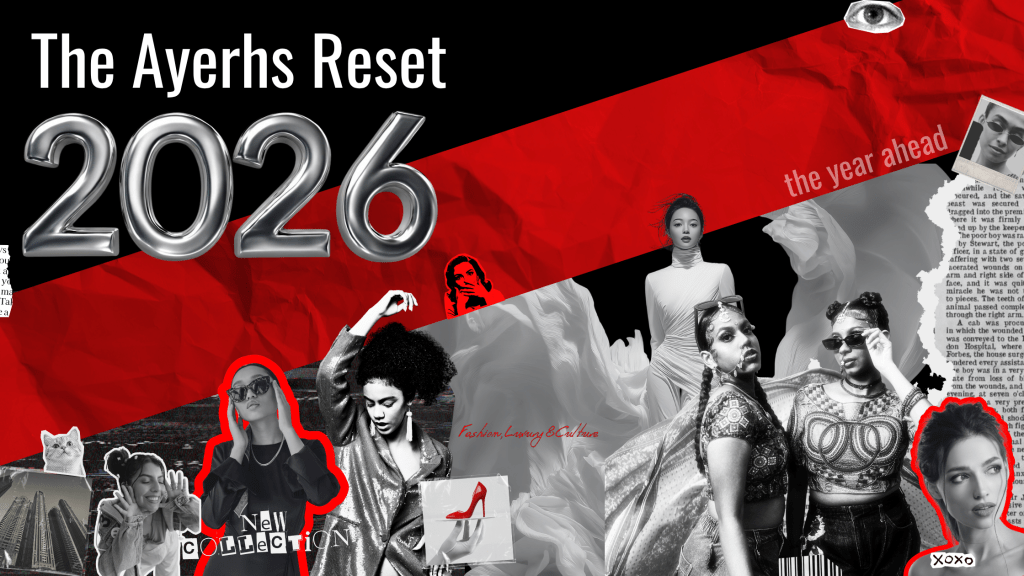
There’s something quietly revolutionary about getting dressed in 2026. Not performative dressing, not curated-to-perfection looks for the algorithm, not the kind of “relatable” style that still costs a small fortune—but real dressing. The kind that feels honest, lived-in, instinctive. The kind that’s more about how you move through your day than how you look in a mirror.
After years of micro-trends, maximalist phases, and viral aesthetics, fashion in 2026 is coming back down to earth. We’re seeing a shift toward authenticity—not as a marketing buzzword, but as a genuine movement. People are tired of overthinking what to wear. The question now is simpler: What do I actually want to wear today?
The End of “Aesthetic Dressing”
Let’s be honest: the past few years were all about the aesthetic era. We dressed like clean girls, tomato girls, vanilla girls, office sirens, and downtown cool girls—each trend lasting just long enough for our carts to fill with impulse buys. But the algorithm fatigue has finally set in.
In 2026, there’s a collective sense of rebellion against this kind of prescriptive dressing. The fashion crowd has grown wary of trends that dictate personality through outfit formulas. People are rejecting the idea that your style has to fit neatly into a viral box. Instead, they’re blending, breaking, and bending aesthetics—building wardrobes that feel more human and less “content-ready.”
The most stylish people right now don’t look like they tried to follow a trend. They look like they got dressed from instinct. A bit of old Céline mixed with Uniqlo, a vintage jacket over a slip dress, worn sneakers with tailored trousers. It’s not chaotic—it’s personal. And that’s the energy defining the year.
The Return of the Uniform
There’s power in repetition. In 2026, the fashion uniform is making a comeback—but this time, it’s not about minimalism or monotony. It’s about self-definition.
People are rediscovering the comfort of having a personal formula—a few silhouettes and pieces they love and wear on repeat. Think: black tailored trousers, a great knit, a structured bag. The quiet confidence of knowing your style so well that shopping becomes easier and decision-making lighter.
Designers have picked up on this shift too. Many collections this year are focused on timeless, modular pieces—garments designed to be worn and reworn. You can feel it in brands like The Row, Toteme, and Khaite, who continue to perfect simplicity without losing emotion. Even fast-fashion labels are rethinking their approach, offering fewer, higher-quality staples instead of endless drops.
The new “it look” isn’t a look at all—it’s consistency.
Dressing for the Life You Actually Have
For years, fashion has been aspirational. We dressed for the fantasy version of ourselves: the one going to rooftop parties, attending art shows, or casually vacationing in Tuscany. But in 2026, people are dressing for the life they actually live.
Maybe that means leaning into comfort without feeling guilty about it. Maybe it means buying that blazer you’ll wear three times a week instead of that glittery dress you’ll wear once. Real dressing doesn’t mean boring—it means practical, thoughtful, intentional.
There’s also a newfound respect for clothes that work hard—the kind you can wear to meetings, errands, and dinners without needing a full outfit change. The modern wardrobe is fluid, adaptable, and deeply rooted in how people spend their days.
Social media plays a role here too. As users grow weary of overly curated content, we’re seeing a rise in “unstyled styling.” Influencers and editors are showing outfits as they are—wrinkled shirts, old shoes, imperfect fits—and people love it. It feels more human, more attainable, more real.
The Rise of Emotional Wardrobes
Real dressing is also deeply emotional. In 2026, fashion is being redefined as an extension of mood, not a projection of status.
It’s about wearing your favorite shirt because it makes you feel grounded. Choosing your grandmother’s cardigan because it smells like nostalgia. Pulling on jeans that have softened perfectly over the years. The value of clothing now comes from connection rather than cost.
Luxury, too, is being reinterpreted. Quiet luxury had its moment, but this year, the focus is shifting toward intimate luxury—pieces that hold meaning rather than simply exude wealth. Think: custom tailoring, heritage materials, small-batch craftsmanship, and clothes you can truly live in.
Fashion houses are responding in kind. Instead of chasing loud trends, many are re-examining their archives, reissuing classics, and emphasizing longevity. Consumers aren’t just buying labels—they’re investing in pieces that tell a story.
The Influence of the “Real Girl”
Forget the polished influencer aesthetic. The new fashion icons of 2026 are the ones who feel relatable—the ones who post unfiltered outfit photos, talk about outfit repeats, and don’t pretend to have it all figured out.
This wave of authenticity has made its way from TikTok to the runways. Models are styled in ways that feel believable—less about fantasy, more about function. We’re seeing lived-in textures, scuffed boots, undone hair. Even high-fashion editorials are leaning into realism, capturing people in natural light, real environments, and everyday moments.
There’s beauty in the ordinary again. The cool girl of 2026 isn’t the one trying to stand out. She’s the one who feels grounded in who she is, whether she’s wearing old denim or a crisp white shirt.
From “Statement Pieces” to “Steady Pieces”
For a while, fashion thrived on extremes—oversized silhouettes, bold prints, exaggerated proportions. And while those elements still exist, there’s a growing appreciation for clothes that stay.
The steady pieces are the backbone of real dressing: the perfect coat that elevates everything, the knit that feels like a second skin, the loafers that get better with time. These are not items that shout—they whisper. And in a world oversaturated with noise, that whisper feels powerful.
Investing in these kinds of pieces has also become a form of mindfulness. Consumers are more aware of where their clothes come from and what they represent. Buying less but better isn’t just a sustainability slogan anymore—it’s a lifestyle choice.
The Future of Real Dressing
Real dressing doesn’t mean anti-fashion. It’s fashion evolved. It’s what happens when the noise dies down and individuality takes center stage.
Designers in 2026 are responding with collections that merge ease with sophistication. We’re seeing elevated basics, imperfect tailoring, soft fabrics that move with the body, and silhouettes that feel familiar yet fresh. The focus is on realism—what people want to wear, not what looks good on a runway.
There’s also a cultural shift happening. Real dressing aligns with broader movements toward mental health, slower living, and conscious consumption. Clothes are no longer just aesthetic objects—they’re part of a larger conversation about identity and intention.
As the line between online and offline life continues to blur, the clothes we wear are becoming a reflection of how we want to feel—not how we want to appear.
Why It Matters
Because dressing should be freeing, not performative. Because real style isn’t about how much you have, but how well you know yourself.
In a world constantly asking us to define, categorize, and display who we are, there’s something liberating about simply getting dressed for you.
2026 isn’t about trends, aesthetics, or algorithms. It’s about ease, honesty, and emotion. It’s about stepping away from what’s expected and leaning into what’s real.
And maybe that’s the quiet revolution fashion has been waiting for.
 Ayerhs Magazine