
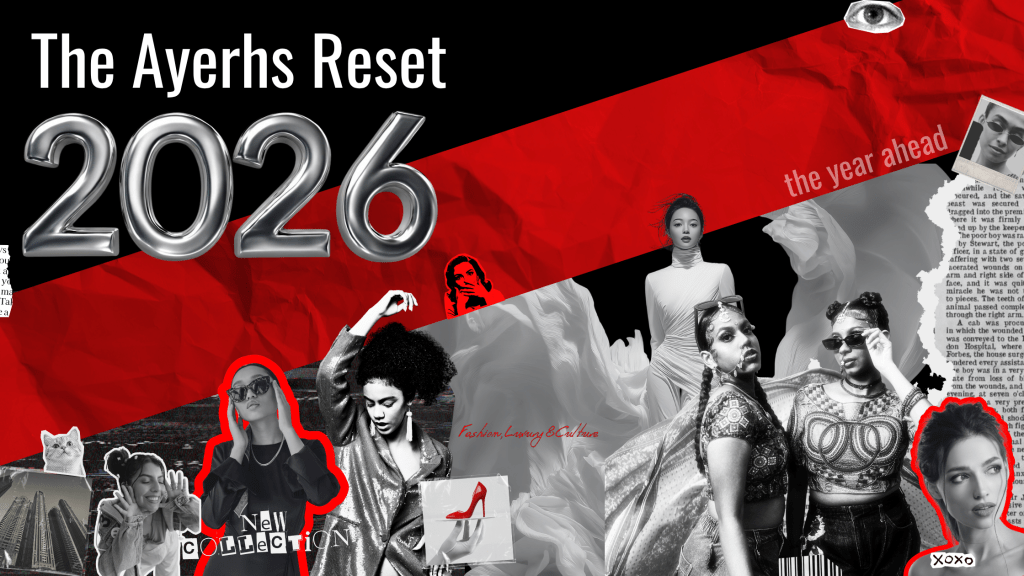
n 2026, fashion feels different. Not in the way trends once dictated what to wear next season, but in how people are starting to treat their closets — with more purpose, more thought, and more clarity. We’ve moved past the chaos of impulsive shopping and endless decluttering hacks. Instead, this new era of dressing is about building wardrobes that make sense for you — your lifestyle, values, and the person you’re becoming.
Editing your closet with intention isn’t just about organization. It’s about redefining your relationship with clothes. It’s the difference between a closet that overwhelms you and one that reflects your energy, your rhythm, and your goals. Let’s break down how to approach it thoughtfully in 2026.
1. Start by Understanding Who You Are Now
The first rule of editing your closet intentionally is simple: don’t start with your clothes. Start with yourself.
Who are you dressing for? What does your daily life actually look like? What do you want it to look like? Many people cling to old versions of themselves through clothes — the blazer from that job you left three years ago, the dress you wore before your style evolved, the jeans you keep “just in case.”
In 2026, personal style is deeply tied to self-awareness. The goal isn’t to create a “capsule wardrobe” or chase minimalism for aesthetic’s sake. It’s to build alignment between who you are and what you own.
A good exercise: write down a few words that describe your current lifestyle and how you want to feel in your clothes. Maybe it’s “confident,” “relaxed,” “elevated,” or “creative.” Then, as you go through your closet, ask: Does this piece help me feel that way?
2. Audit Your Closet Like a Stylist, Not an Organizer
A stylist looks at a closet differently. They see potential, cohesion, and energy — not just clutter.
So when you edit your wardrobe, think like one. Pull everything out, categorize by type, and assess patterns. Do you notice an overload of neutral pieces but nothing exciting to wear out? Too many trendy items but not enough basics? Or maybe you’re holding onto duplicates because you never took the time to compare what actually fits and feels best.
Stylists often work around three questions:
- Does it fit your current body and lifestyle?
- Does it make you feel something when you wear it?
- Can you style it at least three different ways?
If the answer is “no” to two or more, it’s probably time to let it go. But the key here isn’t guilt — it’s awareness. Clothes are meant to be worn, not hoarded. Every piece you keep should earn its space by serving a real purpose or bringing you joy.
3. Edit by Energy, Not Just Aesthetics
This might sound abstract, but it’s one of the most transformative ways to rethink your closet.
Clothes carry energy. Some remind you of an old phase you’ve outgrown. Some make you feel powerful and aligned instantly. Editing with intention means tuning into that — how your body and mood react when you touch or wear something.
In 2026, more people are leaning into emotional intelligence when it comes to fashion. We’re realizing that how we feel in our clothes often dictates how we show up in the world. So instead of just keeping something because it “looks fine,” pay attention to your body’s cues. Do you relax when you wear it? Do you walk differently? Does it inspire confidence or comfort?
Keep what feels right — not what simply looks right.
4. Reassess the Functionality of Your Wardrobe
Your wardrobe should work for your life. Not the other way around.
Ask yourself practical questions:
- Do I have clothes that match my actual routine?
- Are there gaps (like workwear, travel basics, or evening outfits)?
- What pieces are collecting dust because they don’t fit my current lifestyle?
For example, if you’ve transitioned to remote or hybrid work, you might need fewer formal pieces and more elevated basics. If you travel often, investing in wrinkle-free, versatile items makes more sense than chasing micro-trends.
2026 fashion has moved toward smart practicality — where pieces are functional, easy to layer, and adaptable to different settings. That means editing your closet with an eye on usefulness. Keep the pieces that simplify getting dressed, not complicate it.
5. Define Your “Uniform”
The idea of a personal uniform used to sound boring. But now, it’s the ultimate style power move.
Think of it as your signature — the reliable core of your wardrobe that always feels like you. Maybe it’s wide-leg trousers and crisp shirts. Maybe it’s slouchy knits with gold jewelry. Or maybe it’s tailored denim and blazers.
When you identify your uniform, you reduce decision fatigue and create consistency without being repetitive. It gives your wardrobe structure, which makes editing much easier.
Here’s how to find it: look at your most-worn outfits and note common threads — silhouettes, colors, or textures. That’s your foundation. Build around it and let go of the rest.
6. Rethink What “Letting Go” Means
One of the hardest parts of editing your closet is saying goodbye to things. But in 2026, there are more mindful ways to do it.
Instead of tossing or donating blindly, consider these:
- Resell: Platforms like The RealReal, Depop, or Vestiaire Collective make it easy to pass on pieces to someone who’ll actually wear them.
- Swap: Host a clothing swap with friends or attend local ones — it’s a sustainable and social way to refresh your wardrobe.
- Repurpose: Turn worn-out items into loungewear or textiles for DIY projects.
- Donate consciously: Find organizations that accept specific items and distribute them responsibly.
Intentional editing means being just as thoughtful about where your clothes go as you were when buying them.
7. Buy Less, But Better
Editing your closet is only half the equation. The real change happens when you become more mindful about what you add next.
In 2026, we’re seeing a stronger shift toward slow consumption — buying fewer things that last longer and align with personal values. Think: small designers over mass retailers, quality materials over viral trends, craftsmanship over logo obsession.
Before making a purchase, ask yourself:
- Will this still excite me next year?
- Does it fill a real gap in my wardrobe?
- Can I imagine at least five ways to wear it?
Intentional wardrobes grow slowly. The beauty of editing your closet thoughtfully is that it trains you to buy consciously, not impulsively.
8. Revisit and Refine Seasonally
A well-edited closet isn’t a one-time achievement — it’s a living system. As your life evolves, so should your wardrobe.
Set aside time every few months to reassess. Not necessarily to declutter, but to reconnect. Maybe something you stored away feels right again, or maybe a piece you loved no longer fits who you are. The goal is to stay current with yourself.
Some people find it helpful to do this at the start of every season. Others do it twice a year. Whatever your rhythm, consistency keeps your wardrobe intentional and fresh — never stagnant.
9. Make Your Closet a Space You Enjoy
When you edit with intention, the space itself matters.
Organize your closet so it invites calm, not chaos. Display your most-worn items visibly. Group clothes by color or category. Invest in hangers and storage that make your clothes feel valued.
When your closet feels curated and cared for, getting dressed becomes a ritual — not a rush. You start to enjoy the process again.
10. The Bigger Picture: Dressing as a Reflection of Growth
At its core, editing your closet with intention is about more than fashion. It’s about identity, evolution, and self-respect.
In 2026, personal style has become a language of authenticity. People aren’t dressing to impress as much as they’re dressing to express. A well-edited wardrobe helps you move through the world with clarity — knowing that everything you wear supports your story, not distracts from it.
When you open your closet and every piece feels like you, that’s not just good styling — that’s alignment. And that, truly, is what fashion in 2026 is all about.
 Ayerhs Magazine