
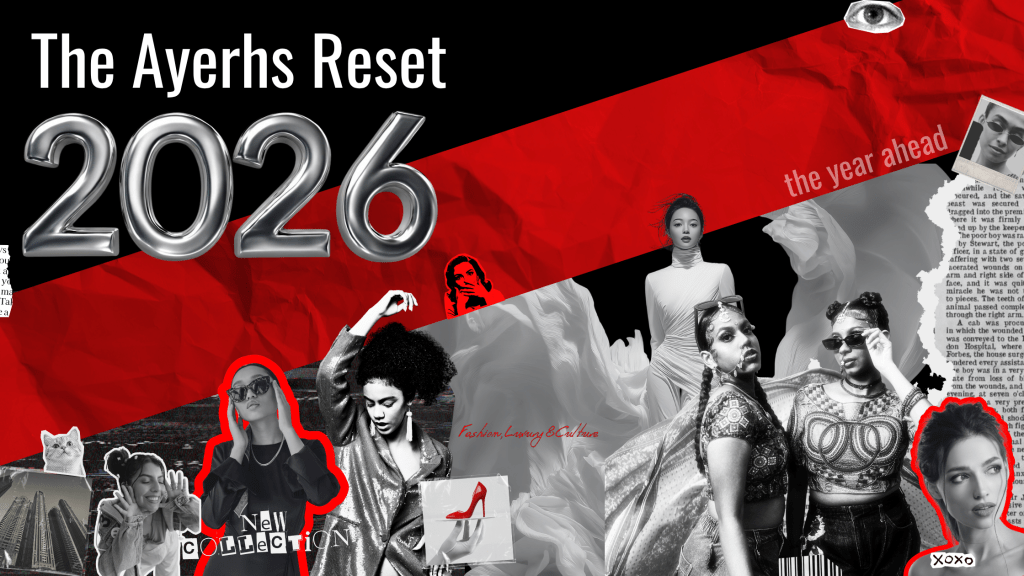
There’s a quiet kind of rebellion happening in fashion right now — one that doesn’t need loud slogans or shocking silhouettes to make a point. After years of overstimulation, digital chaos, and trend fatigue, people are turning inward. They’re choosing authenticity over approval, subtle defiance over performance. It’s not about dressing to protest — it’s about dressing to reclaim. That’s what makes 2026 the year of soft rebellion in style.
This isn’t rebellion for attention. It’s rebellion through intention. It’s about rejecting the constant pressure to fit into a narrative, to be trend-forward, or to wear something “relevant.” It’s the kind of rebellion that happens when you stop asking what’s in and start asking what feels right.
The End of the Loud Era
The fashion landscape of the past few years has been noisy. The rise of TikTok-driven aesthetics made every month feel like a costume change — from Barbiecore to Mob Wife, Clean Girl to Indie Sleaze. Every scroll came with a new set of rules. It was thrilling for a while, but it also left people burnt out and confused about what their style even was.
Now, the pendulum is swinging the other way. Consumers aren’t looking for shock value or dopamine dressing anymore; they’re craving meaning. The “quiet luxury” wave that defined 2024 and 2025 was just the beginning — it wasn’t about wealth, but about subtle rebellion against excess. In 2026, that sentiment has evolved into something deeper: the soft rebellion.
It’s about breaking away from the noise without rejecting expression. It’s anti-try-hard. It’s choosing gentleness over spectacle. It’s fashion with a heartbeat.
The Rise of the Individual
Soft rebellion isn’t one aesthetic — it’s an attitude. It shows up differently for everyone because it’s rooted in individuality. For some, it means ditching logo-heavy luxury for smaller, local designers. For others, it’s wearing vintage as a quiet protest against fast fashion. It’s about taking back control from the algorithm that’s been dictating how we look for too long.
Fashion has always been cyclical, but this moment feels personal. There’s a collective desire to rediscover self-expression — not as a performance, but as a reflection. We’re seeing more people approach fashion as self-therapy rather than self-marketing. Outfits are becoming softer, more intentional, less about visibility and more about identity.
Even street style looks different now. Gone are the overly curated, over-accessorized looks meant for the front row. The new style codes are lived-in, layered, and deeply intuitive — the kind of outfits that feel thought-through but effortless.
Minimalism with an Edge
Minimalism is back, but not in its pristine, rigid form. The 2026 version is raw and human — minimalist with personality. Think: perfectly imperfect tailoring, worn-in fabrics, clean lines softened by texture. The idea isn’t to look polished, but to look real.
Designers like The Row, Jil Sander, and Lemaire continue to lead this refined rebellion, but even newer names are bringing emotion into simplicity. Brands like Toteme, Peter Do, and Khaite are showing how restraint can be expressive. This soft minimalism speaks volumes precisely because it doesn’t scream.
There’s power in subtlety — in an outfit that doesn’t need validation to be understood. That’s what soft rebellion looks like: saying more with less.
Femininity as Power
Another layer to this rebellion is how femininity is being redefined. For a long time, fashion equated power with androgyny — strong shoulders, sharp suits, darker tones. Now, women are reclaiming softness as strength. Lace, satin, bows, and flowy silhouettes aren’t symbols of fragility anymore; they’re tools of defiance.
Designers like Simone Rocha, Cecilie Bahnsen, and Sandy Liang have proven that romanticism can be radical. The return of ballet flats, delicate draping, and pastel tones isn’t regression — it’s rebellion. It’s a statement that softness and strength are not opposites.
2026’s soft rebellion challenges the notion that to be powerful, one must appear hard. The new kind of power dressing is emotional. It’s vulnerable, thoughtful, and quietly confident.
The Anti-Trend Movement
The most rebellious thing you can do in fashion today? Refuse to be trend-driven.
2026 marks a cultural shift away from microtrends and toward longevity. People are tired of chasing new aesthetics that fade by the time their online carts are delivered. Instead, they’re refining their personal style — building wardrobes that feel grounded and coherent.
This anti-trend sentiment is showing up everywhere: capsule wardrobes are back, thrift culture is thriving, and “archival fashion” has become a modern obsession. Wearing last season’s pieces isn’t seen as outdated anymore — it’s considered intelligent. The statement isn’t “I’m wearing the latest drop”; it’s “I’m wearing what matters to me.”
Soft rebellion, at its core, is about thoughtful consumption. It’s about buying less but choosing better. About rejecting impulse and embracing intention.
Texture Over Trend
In 2026, sensory design is the new status symbol. Texture has taken center stage — mohair knits, crushed silk, suede, and handwoven fabrics are dominating collections. There’s something deeply human about these tactile choices, especially in an age of digital detachment.
People want clothes that feel good — physically and emotionally. A slightly wrinkled linen shirt. A pair of jeans that actually age with you. A vintage coat with visible wear. These details tell stories that can’t be replicated by fast fashion or AI-generated design.
The shift toward tactility is a subtle act of rebellion against digital perfection. It’s about reconnecting with the sensory experience of dressing, reminding ourselves that fashion is something to live in, not just to post.
The Return of Emotional Dressing
If the 2010s were about looking cool and the early 2020s were about looking curated, then 2026 is about feeling connected. Emotional dressing — choosing clothes based on how they make you feel — is at the center of soft rebellion.
This could mean wearing your grandmother’s cardigan to feel grounded. Or reaching for a tailored jacket because it helps you feel in control. It’s about emotion as the new aesthetic filter.
In a world that’s constantly trying to flatten individuality into a scrollable format, emotional dressing brings depth back into fashion. It’s rebellion through sincerity — the decision to wear something because it feels true, not because it fits an algorithm.
The Cultural Undercurrent
Fashion doesn’t exist in isolation, and soft rebellion reflects a broader cultural mood. People are tired of polarization, of extremes, of always having to “take a side.” This new wave of style is about nuance — the middle ground between loud rebellion and passive conformity.
It mirrors how people are redefining success, identity, and authenticity. The “main character” mentality of early 2020s culture has softened into something more collective, more real. People are moving away from spectacle and toward substance — and fashion, as always, is following suit.
You see it in how people are engaging with art again, buying handmade objects, supporting small designers, and romanticizing slowness. Style has become a space for self-connection — an antidote to digital burnout.
How Soft Rebellion Looks in Practice
On the streets, this rebellion manifests in contrasts. Sharp tailoring paired with ballet flats. Structured coats over flowy dresses. Monochrome looks interrupted by a pop of texture or a hand-painted accessory.
It’s not minimalist or maximalist — it’s balanced. It’s the kind of style that looks effortless but intentional, quiet but memorable.
And it’s deeply personal. Someone’s version of soft rebellion might be going makeup-free in a culture of filters. Another’s might be wearing bold jewelry with an otherwise pared-down outfit. For some, it’s a refusal to chase newness; for others, it’s embracing softness in a world that prizes hardness.
The key isn’t how it looks — it’s what it means.
Where Fashion Goes Next
If 2026 is the year of soft rebellion, then 2027 might be the year of full reclamation. We’re in a transition — moving from chaos to consciousness, from overexposure to introspection. The style landscape ahead looks more human, more emotional, and more open-ended.
This shift isn’t just changing how we dress; it’s changing how we think about fashion altogether. The idea that rebellion has to be loud is being rewritten. The new revolution is quieter — it’s in the fabrics we choose, the designers we support, and the ways we show up as ourselves.
Because in a world that constantly tells you to be louder, faster, and more visible — choosing to be calm, clear, and true might just be the most radical thing you can do.
 Ayerhs Magazine