
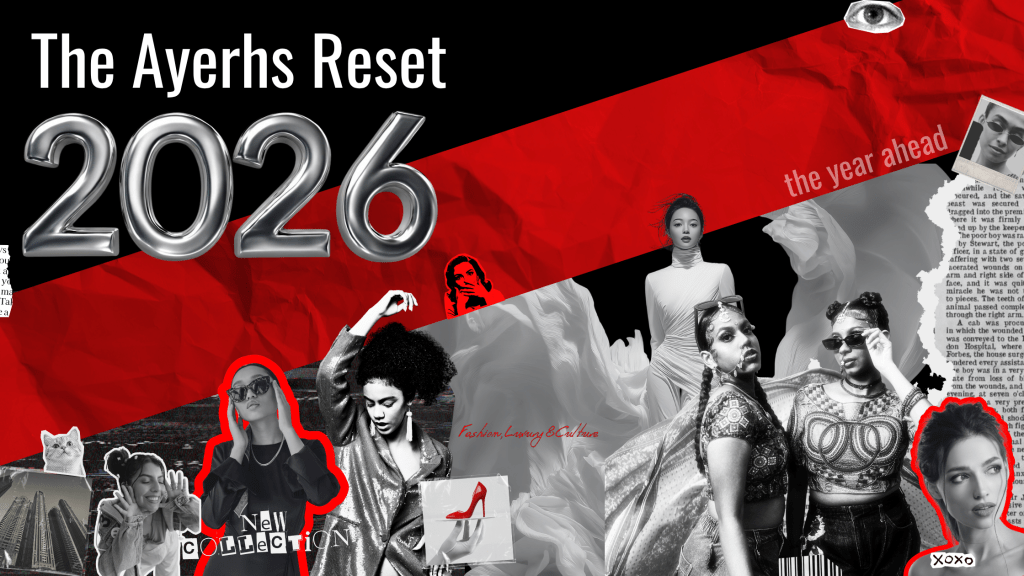
If 2025 was the year fashion finally started to slow down, 2026 is the year it starts to truly let go—of labels, of binaries, and of outdated definitions of what glamour “should” look like. Fashion has always flirted with androgyny, but in 2026, genderless glamour is no longer a subversive niche; it’s the new normal. The lines have blurred, not just in silhouettes or styling, but in the very intention behind what we wear and how we define beauty.
The Shift from Androgyny to Glamour Without Gender
Genderless fashion isn’t new. The 2010s gave us unisex basics, oversized streetwear, and minimalist fits that leaned masculine. But those early expressions of androgyny often stripped away sensuality, polish, and drama—qualities long coded as “feminine.” What’s different in 2026 is that this new wave of genderless fashion is embracing glamour. Think fluid tailoring in sequins, lace on a power suit, a hint of pearl detailing on a sharply cut blazer. The energy is not about neutralizing gender expression—it’s about expanding it.
Designers like Ludovic de Saint Sernin, Harris Reed, and Robert Wun have been building this movement for years. But now, major houses like Gucci, Saint Laurent, and even Dior are all leaning into fluid collections that refuse to define who they’re “for.” There’s a collective understanding that glamour doesn’t belong to anyone—it’s an attitude, not an aesthetic reserved for one gender.
Fashion houses aren’t designing for “men” or “women” anymore—they’re designing for the moment. For the wearer who wants to be seen, who plays with their identity like it’s an accessory, and who views style as a reflection of emotion, not expectation.
From Red Carpet to Real Life
Genderless glamour isn’t confined to the runway. You can see it everywhere—from the red carpet to TikTok to your local boutique.
On the red carpet, Bradley Cooper might show up in a sheer shirt and pearls, while Zendaya wears a sharply tailored tuxedo dress, and neither choice feels performative or radical anymore. The “genderless” part of this movement isn’t about shock value—it’s about comfort in authenticity. Stars like Timothée Chalamet, Hunter Schafer, and Emma Corrin have made fashion a playground rather than a battlefield for gender expression.
But what’s truly shaping 2026 is how this aesthetic has seeped into everyday dressing. Street style in cities like Seoul, Paris, and New York has become a visual conversation about fluidity—think satin skirts with sneakers, corseted shirts paired with denim, or pearls worn with cargos. The glamour of 2026 is not about being polished or “dressed up” in the traditional sense—it’s about intentional expression.
The Cultural Context: Why Now?
Fashion doesn’t exist in a vacuum. The rise of genderless glamour mirrors a broader social shift. Gen Z, and the even younger Gen Alpha, are redefining gender itself. They’re rejecting the idea that you must fit into one box or another. For them, gender is a spectrum, not a structure—and fashion is one of the most visible ways to express that freedom.
But it’s not just about rebellion—it’s about realism. People are tired of rigid categories. The same way we blur lines between work and leisure, online and offline, we’re also blending what it means to dress “masculine” or “feminine.” In 2026, those terms feel less relevant.
Social media has accelerated this shift. Platforms like TikTok and Instagram are filled with creators styling everything from ballgowns to biker jackets without any thought to gender norms. The visual storytelling of fashion is now about emotion, narrative, and personal truth—not conformity.
And let’s not forget the influence of music and entertainment. The aesthetics of artists like Troye Sivan, Billie Eilish, and Bad Bunny—who play with silhouettes, shine, and softness—have reshaped what mainstream masculinity or femininity even look like. Their visuals say: glamour isn’t gendered; it’s human.
The New Language of Glamour
So, what does genderless glamour look like in 2026? It’s sensual but not sexualized, powerful but not aggressive. It lives in fabric choices—silks that drape instead of restrict, metallics that shimmer rather than shine, tailoring that celebrates the body’s form without defining its gender.
Designers are experimenting with hybrid aesthetics—lace meets leather, corsetry meets cargo, chiffon meets pinstripes. The contrasts create a tension that feels fresh and relevant.
Accessories are also playing a big role. Jewelry has become one of the easiest and most visible forms of fluid expression. Men in pearls, women in chunky chains—it’s all a mix now. Bags, makeup, and even fragrance are part of this movement too. Brands like Byredo, Tom Ford, and Maison Margiela have leaned into scent profiles that are less about gender and more about mood: smoky, soft, complex.
The new glamour isn’t about femininity or masculinity—it’s about visibility, confidence, and artful self-awareness.
The Industry Response
Luxury fashion is adapting fast. Many brands are rewriting their marketing playbooks. Runways are now casting models based on energy and personality, not gender. Styling campaigns mix pieces across lines that once separated “menswear” from “womenswear.”
Gucci’s 2026 collections, for instance, have been described as “emotionally androgynous.” They feature romantic lace shirts, sculpted jackets, and layered textures that speak to whoever wants to feel both strong and soft. Meanwhile, Saint Laurent’s current aesthetic—sleek, sharp, but with delicate fabrics—feels like the embodiment of this balance.
Retail spaces are following suit. Stores are moving away from gendered sections altogether. Instead of “men’s” and “women’s,” there are now zones categorized by mood, color, or silhouette. Even online platforms like SSENSE and Farfetch are introducing “fluid” filters, making it easier to shop without being boxed in by labels.
The Beauty Parallel
Beauty has also gone genderless. Makeup is no longer a tool of concealment—it’s one of self-expression. Foundations, lip glosses, and eyeliners are being marketed to everyone. Brands like Fenty Beauty, Haus Labs, and Rare Beauty have normalized inclusive language and imagery.
Even luxury skincare has moved away from “for men” or “for women.” The focus is on skin, not gender—on results, not roles. In many ways, the beauty industry has led fashion into this new era of neutrality with intention.
Beyond Aesthetic: The Emotional Core
Underneath the sequins, the tailoring, and the aesthetics, genderless glamour is really about liberation. It’s about being comfortable in fluidity, proud in individuality, and unbothered by external definitions.
2026’s version of glamour doesn’t require approval. It doesn’t scream rebellion—it whispers confidence. It’s inclusive, open, and alive with possibility. The new generation isn’t asking permission to express themselves anymore—they’re building a new visual language that everyone can speak.
Genderless glamour is also deeply emotional. It’s rooted in self-love and acceptance, in the quiet confidence of being seen exactly as you are—or as you want to be. The clothes are just the medium; the message is authenticity.
What Comes Next
If we’ve learned anything from the trajectory of fashion, it’s that once a cultural shift takes hold, it rarely reverses. The industry might evolve, aesthetics might change, but the idea of clothing beyond gender is here to stay.
In 2026, genderless glamour isn’t about erasing identity—it’s about expanding it. It’s about saying that you can be as sparkly, sharp, or soft as you want to be, all at once.
The next step will be deeper integration: schools teaching design without gender divisions, brands hiring creatives who live fluidly, and audiences expecting authenticity rather than marketing buzzwords. The conversation will move from “genderless fashion” to simply fashion.
 Ayerhs Magazine