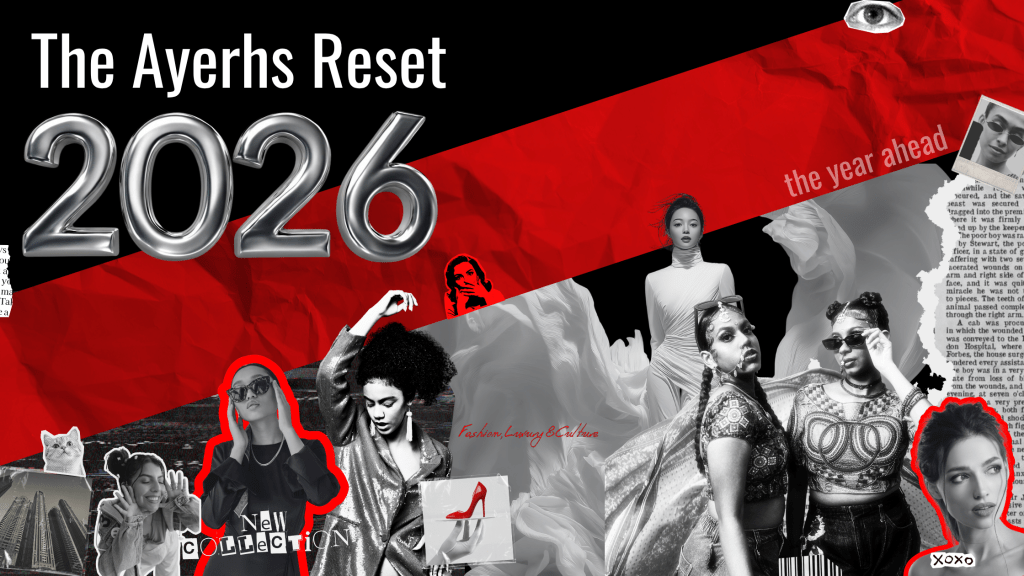
If the past few years were all about chasing trends, 2026 feels like the year people finally stopped caring about them. The fashion cycle has been hinting at this shift for a while — the quiet luxury wave made people crave subtlety, normcore made “boring” cool again, and the internet’s obsession with aesthetics made everyone look oddly the same. But something different is happening now. Something louder, more specific, and definitely more personal. Subcultures — the heart and soul of fashion rebellion — are making their return.
We’re seeing the rise of individuality again, and this time, it’s not about following a new label or “core.” It’s about owning your world — your taste, your references, your tribe. The messy, expressive, DIY energy that once defined underground culture is resurfacing in fashion, music, and even the way people express themselves online. Welcome to the era of the subculture revival.
Why Subcultures Are Making a Comeback
Subcultures have always thrived in moments of social fatigue — when people get tired of sameness and conformity. Think about it: punk in the 70s came after a decade of polished perfection. Grunge exploded in the 90s when pop music became too glossy. Y2K cyber-goth and emo scenes were a response to the hyper-commercialized world of early internet capitalism.
Now, after years of curated aesthetics and algorithm-driven fashion, we’re collectively exhausted. Everyone’s tired of dressing for the feed. 2026 is the year people are dressing for themselves again — not for virality, not for clicks, not to “fit” into something.
Subcultures are how people make meaning when the mainstream stops inspiring them. And right now, the mainstream feels oversaturated — trends die within a week, aesthetics go viral and fade out by the weekend, and style has become so algorithmic it’s hard to tell who’s genuinely expressing themselves and who’s just performing taste.
That’s why subcultures feel refreshing again. They’re slower, deeper, and built around shared identity — not just shared content.
The Digital Underground
Interestingly, this revival isn’t happening offline the way it used to. It’s happening online, in corners of the internet that feel like throwbacks to the old Tumblr days. Discord servers, Reddit threads, TikTok micro-communities, and niche fashion accounts are becoming the new hangout spots for subculture kids.
People aren’t just consuming fashion anymore — they’re archiving it, remixing it, and reinterpreting it. There’s a huge wave of interest in early-2000s goth, 90s ravewear, cyberpunk, and DIY street fashion, but it’s not nostalgia-driven. It’s contextual.
Gen Z and Gen Alpha are taking pieces from the past and infusing them with modern relevance. They’re wearing mesh tops with vintage cargo skirts, referencing old club kid looks while pairing them with futuristic sneakers. It’s not about accuracy; it’s about attitude. It’s not revivalism — it’s reinterpretation.
Subcultures today are less about strict codes and more about fluid belonging. You can be into dark academia one day and streetwear minimalism the next. It’s no longer about fitting a label — it’s about mixing what speaks to you.
The Fashion Industry Finally Caught Up
What’s fascinating is how designers are tapping into this energy too. The Spring/Summer 2026 runways were filled with subcultural nods — not as costumes, but as lived-in energy. Miu Miu brought back punk-inflected layering, Diesel leaned into unapologetic clubwear, and emerging designers like Chopova Lowena, KNWLS, and Stefan Cooke continued to bridge the gap between underground and high fashion.
Thom Browne’s eccentric tailoring, Rick Owens’ dystopian glam, and Marine Serre’s moon print universe all feed into this broader narrative: fashion isn’t about perfection anymore; it’s about perspective. The industry is realizing that authenticity sells better than algorithmic relevance.
Even luxury brands are paying attention. Gucci’s latest direction under Sabato De Sarno has been quietly hinting at a post-trend world — one that celebrates personality over polish. Balenciaga’s raw, eerie, undone silhouettes feel like a nod to early-2000s internet grunge. The runway is no longer about spectacle; it’s about emotion.
The Return of DIY Culture
If 2025 was the year of quiet minimalism, 2026 is about loud individuality. People are cutting, sewing, and customizing again. Vintage is no longer just sustainable — it’s subversive. Thrift stores are cultural goldmines, and reworking your clothes has become an act of creative self-definition.
The “buy less, make more” mindset is catching on fast. You’ll find TikTok tutorials on distressing denim, painting sneakers, or even reimagining wedding dresses into everyday pieces. It’s fashion democratized in the truest sense.
DIY isn’t just about saving money; it’s about reclaiming control. In a world where fast fashion cycles dictate taste, crafting your own look is the ultimate rebellion.
Music, Identity, and the Return of the Scene
Subcultures have always existed where fashion meets sound — and music in 2026 feels electric again. The hyperpop explosion, post-punk revival, techno renaissance, and experimental indie scenes are giving people a sense of belonging.
Raves are back, but so are small underground gigs. People are dressing for these spaces again — with intention. It’s not about trends; it’s about creating a moment. The revival of scene dressing — metallic pants, spiked collars, clashing patterns, unconventional silhouettes — is more about expression than aesthetics.
There’s also a growing crossover between fashion labels and subcultural musicians. Brands like Heaven by Marc Jacobs, Aries, and Martine Rose are collaborating with niche artists and DJs, not just for marketing but for genuine creative synergy. This intersection of style and sound is where culture truly evolves — not in boardrooms, but in basements, dance floors, and digital spaces.
The Anti-Trend Generation
The most striking part of this revival is how anti-trend it is. Subcultures thrive on being misunderstood — they reject mainstream appeal. But ironically, this rejection has become the most magnetic thing about them.
Young people today are rejecting fast consumption. They want their clothes to mean something. They’re looking for fashion that says, “This is who I am,” not “This is what’s trending.” That’s why the aesthetics of rebellion — from punk safety pins to Y2K cyberwear — are so relevant again.
This new generation isn’t waiting for the industry to define them. They’re defining themselves in real time, across platforms, across identities, across genres. They’re messy, contradictory, and refreshingly unfiltered — everything mainstream fashion hasn’t been for years.
Subculture as Self-Expression in 2026
Fashion in 2026 feels personal again. There’s a raw, unpolished beauty in the way people are mixing eras, genres, and moods. A punk skirt with ballet flats. A cybercore top with a quiet luxury blazer. An old band tee worn with couture trousers.
The beauty of subculture revival lies in its freedom. There are no rules, only references. It’s a reminder that style doesn’t have to be cohesive to be compelling. It just has to be yours.
Subcultures have always been about community — but also about defiance. They’re about creating identity outside the mainstream, finding comfort in the chaos, and turning difference into beauty. And right now, that’s exactly what fashion — and the world — needs.
The Future Is Fragmented (and That’s a Good Thing)
2026 doesn’t have one defining aesthetic, and that’s what makes it exciting. There’s no single “look of the year” or “it-girl uniform.” Instead, there are hundreds of micro-movements, all happening simultaneously. Cottagecore exists next to post-apocalyptic streetwear; fairy grunge merges with luxury tailoring.
Fashion finally feels alive again — unpredictable, curious, and honest. It’s less about what’s in and more about what’s yours.
We’re entering a new creative renaissance where personal expression is the new status symbol. The revival of subcultures isn’t just about fashion — it’s about freedom. It’s about rediscovering the joy of dressing up not to impress, but to express.
Because maybe the most radical thing you can do in 2026 isn’t to follow the trend — but to create your own.
 Ayerhs Magazine