
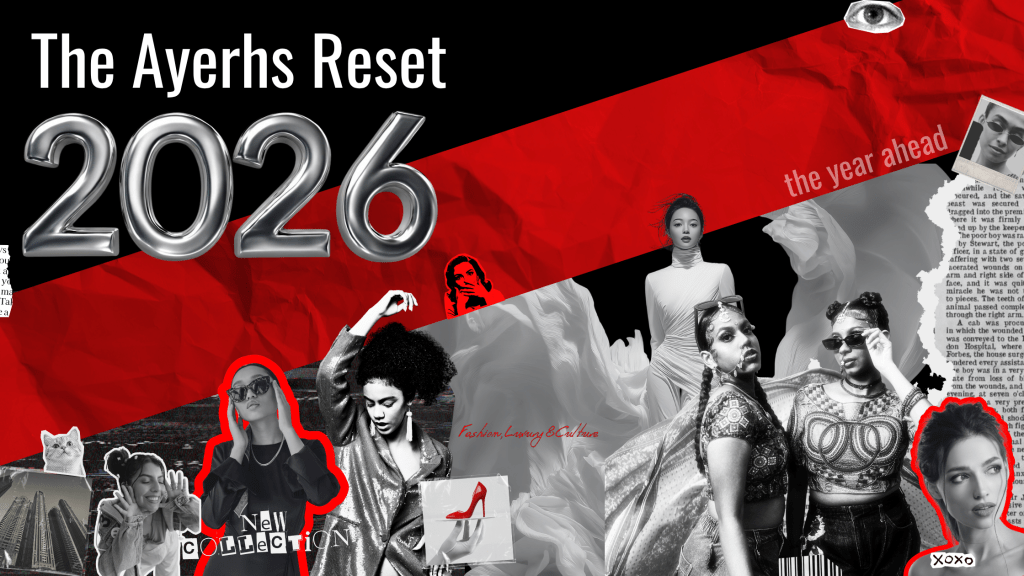
It’s safe to say that 2026 isn’t about fashion trends anymore—it’s about fashion truths. The quiet shift that began with “quiet luxury” and “stealth wealth” has now fully evolved into something more personal, more intentional, and more self-defining. We’ve hit that point where dressing for yourself isn’t a radical act; it’s the only one that makes sense.
After years of trend fatigue, influencer sameness, and the fast-cycle churn of “core” aesthetics, personal style has reclaimed its place at the center. 2026 is the year when people stop asking, “What’s in?” and start asking, “What feels like me?”
The End of the Trend Cycle as We Knew It
Fashion used to move in clear, predictable cycles: silhouettes, colors, and cultural cues that shifted every season. But in the last few years, that rhythm has fractured. Social media sped everything up until trends burned out before they even began. One day it’s “coquette-core,” the next it’s “blokette,” “office siren,” or “mob wife.” The result? Overstimulation, confusion, and a collective craving for calm.
By 2026, the dust has settled. The idea of chasing micro-trends feels exhausting, even wasteful. Consumers are no longer dressing to keep up—they’re dressing to catch their breath. The new cool lies in clarity. People are refining, editing, and defining their wardrobes around themselves, not the algorithm.
There’s also a growing awareness that individuality is the only true luxury left. When everyone can access the same clothes through e-commerce, resale apps, and mass collaborations, what stands out isn’t what you wear—it’s how you wear it.
From Identity Dressing to Intentional Dressing
The fashion landscape of the early 2020s was full of identity-based dressing: “clean girl,” “Y2K girl,” “dark academia,” “Scandi minimalism.” While those aesthetics gave people an easy way to express belonging, they also boxed individuality into neatly packaged labels.
In 2026, we’re witnessing a shift from identity to intention. Dressing is becoming less about the aesthetic you fit into and more about how you want to feel that day. Comfort doesn’t just mean soft fabrics—it means psychological ease. You can wear a sculptural blazer one day and a wrinkled linen dress the next without betraying your “style.” The goal is coherence with yourself, not consistency for others.
That’s what dressing for yourself looks like now: not a uniform, but a rhythm. A wardrobe that flexes with your moods, your lifestyle, and your evolving self-image.
Personal Style as Self-Expression, Not Performance
Social media made fashion performative. Outfits became content, and personal style turned into personal branding. But people are getting tired of performing. The oversaturation of “get ready with me” videos, mirror selfies, and hyper-curated aesthetics has created a kind of visual fatigue.
In 2026, authenticity is making a quiet return. Dressing for yourself isn’t about making a statement—it’s about creating alignment between how you feel and how you appear. That’s why there’s been such a rise in re-wearing, restyling, and embracing “repeat outfits.” Instead of being embarrassed by being seen in the same look twice, people are taking pride in it.
Fashion is once again about intimacy. About the private pleasure of putting on a well-loved shirt, the quiet confidence of knowing what works for you, and the ease of not needing to prove it.
The Data Behind the Shift
Numbers are backing this cultural change. According to 2025 consumer insights from Edited and BoF, the resale market grew another 18%, while fast fashion growth slowed to under 3%. Capsule wardrobes, once niche, are becoming mainstream search terms. “Timeless pieces” and “personal style” have overtaken “fashion trends” as the most searched phrases in Google’s fashion category.
It’s not that people aren’t shopping—they’re just shopping differently. Consumers are spending on quality and longevity. They’re mixing vintage with designer, sentimental with practical. They’re learning to buy less but better, and to wear what they already own in new ways.
The global shift toward sustainability has also played a big role. Dressing for yourself is, at its core, sustainable—it’s anti-impulse, anti-overconsumption. It resists the idea that newness equals relevance.
Designers Are Catching Up
Interestingly, designers are echoing this movement too. The Spring 2026 runways—from Loewe to The Row, Proenza Schouler to Toteme—felt deeply personal. The collections didn’t scream for attention; they invited you in. There was a focus on human proportion, soft tailoring, and pieces that live well beyond a season.
Even newer designers are creating from a more authentic place. Collections are reflecting personal narratives, cultural roots, and lived experiences instead of chasing virality. It’s no longer about shock—it’s about sincerity.
The fashion industry, once obsessed with image and exclusivity, is learning the value of emotional connection. Dressing for yourself is becoming both a creative act and a commercial strategy.
The Rise of the “Real Wardrobe”
The idea of a “real wardrobe” is one of the most defining ideas of 2026. It’s not about capsule minimalism or luxury maximalism—it’s about relevance to your own life. People are buying clothes they can actually live in. Outfits that work for real days, not just for photo ops.
That means the return of practical silhouettes, durable fabrics, and functional design. But it also means emotional realism: understanding that what you wear can shift with your seasons of life. Dressing for yourself is dressing for the life you have, while still leaving room for the life you want.
We’re also seeing this reflected in retail. Brands are rethinking how they present fashion—less aspirational fantasy, more relatable storytelling. Editorial shoots are being replaced with “day in the life” narratives. Influencers are sharing reworn looks and “style evolutions” instead of unboxings. The focus is shifting from the newness of the product to the continuity of the person wearing it.
The Emotional Core of Style
When you strip away trends, what’s left is feeling. How clothes make you feel—empowered, grounded, at ease—matters more than how they look in a photo. That emotional connection is what makes personal style truly personal.
Fashion psychologist Dr. Dawnn Karen has long said that clothing choices are emotional armor; in 2026, they’re also emotional mirrors. Dressing for yourself isn’t about impressing anyone—it’s about recognizing who you are in that moment. Maybe that means wearing color when you’re tired of fading in, or wearing black because it makes you feel safe. The meaning is yours to define.
That’s why this year’s style conversations feel more introspective than ever. It’s not about fashion’s next big thing—it’s about your next small decision.
What Dressing for Yourself Really Looks Like
It’s not a capsule wardrobe or a Pinterest moodboard. It’s the quiet knowing of what you like. It’s the jeans you’ve worn for five years and refuse to replace. It’s the shirt you bought at a flea market in another city and wear every time you want to feel connected to that version of yourself. It’s the way your wardrobe becomes a timeline of your life, not a highlight reel.
Dressing for yourself is about trust—trusting your own taste, your own rhythm, your own pace. It’s realizing that you don’t have to explain your choices to anyone.
And that’s what makes it so powerful.
Because when you dress for yourself, you stop needing validation. You stop chasing trends, and you start curating a visual language that’s entirely your own.
 Ayerhs Magazine